What happened
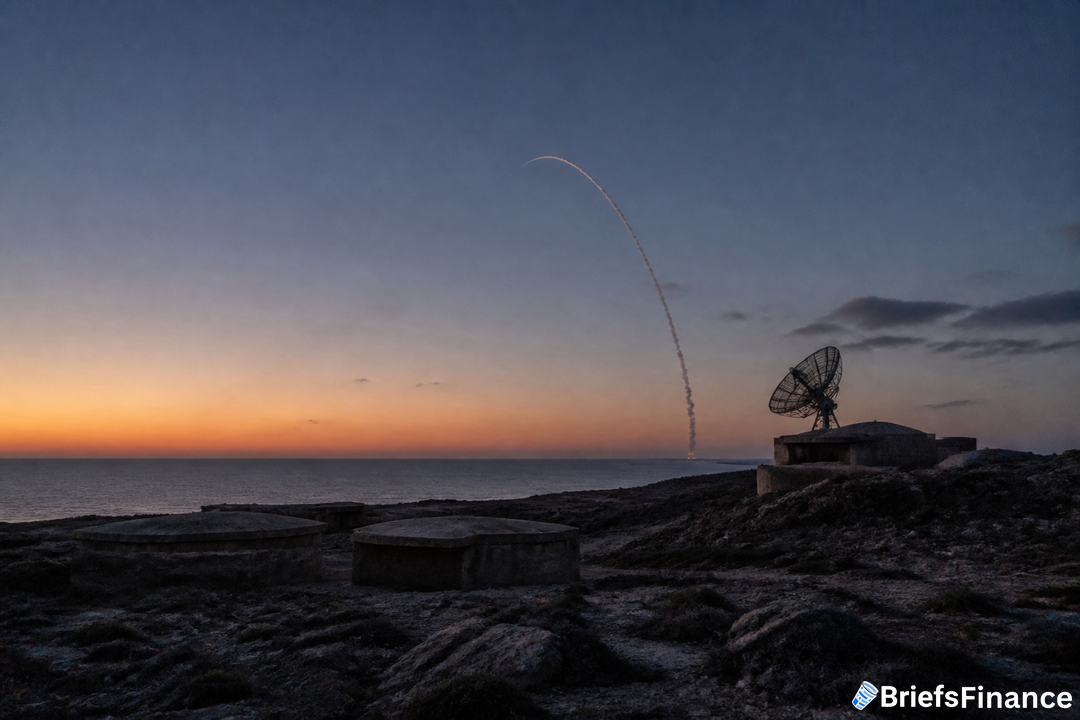
South Korea's defense ministry reported a new ballistic launch, with the missile lifting off near Wonsan on North Korea's eastern shoreline around 6:30 a.m. local time. The Joint Chiefs of Staff said the weapon traveled more than 700 kilometers, or 435 miles. South Korea's military said it has tightened surveillance and readiness and is working with US authorities to assess the missile's specifications.
It is the North's second missile test in the past month, reinforcing the sense that Kim Jong Un feels able to keep advancing his arsenal and reminding neighbors of the regional threat.
How governments reacted
South Korea's National Security Office urgently gathered for a security session to evaluate the launch's implications and weigh subsequent actions. Seoul urged Pyongyang to halt launches immediately, saying they violate UN Security Council resolutions.
The launch followed Seoul's allegation that Pyongyang set off a landmine in the Demilitarized Zone last month, wounding three South Korean soldiers. The UN Command described the incident as a violation of the armistice. North Korea denied involvement and derided the investigation as a "farce."
In uncertain times it's smart to focus on steady habits, so download the free Always Be Buying E-Book to start building wealth
Kim Yo Jong, the North Korean leader's sister, cautioned that the country is weighing fresh military approaches in reaction to Japan's growing defense capacity, adding that Pyongyang would not be a "passive onlooker."
The bigger security picture
In its latest annual threat assessment, US intelligence said North Korea had "successfully tested" ICBMs with the range to strike all of the US mainland and had gained "valuable war-fighting experience and military technology from Russia for participating in combat operations against Ukraine." Japan's latest defense white paper said North Korea has shown "extremely rapid" progress in its missile programs, including advanced hypersonic systems, following the 2024 conclusion of a military pact between Kim and Putin.
Why it matters for your money
Geopolitics will not shake markets every day, but persistent missile tests, a live armistice dispute, and tighter coordination among North Korea, Russia, and China can all sway risk appetite across Asia and beyond. Watch for any shift in military postures, new sanctions talk, or a reopening of talks - catalysts that can move currencies, energy prices, and regional stocks.
When news feels overwhelming, a simple plan helps investors stay the course; get the free Always Be Buying E-Book