What happened
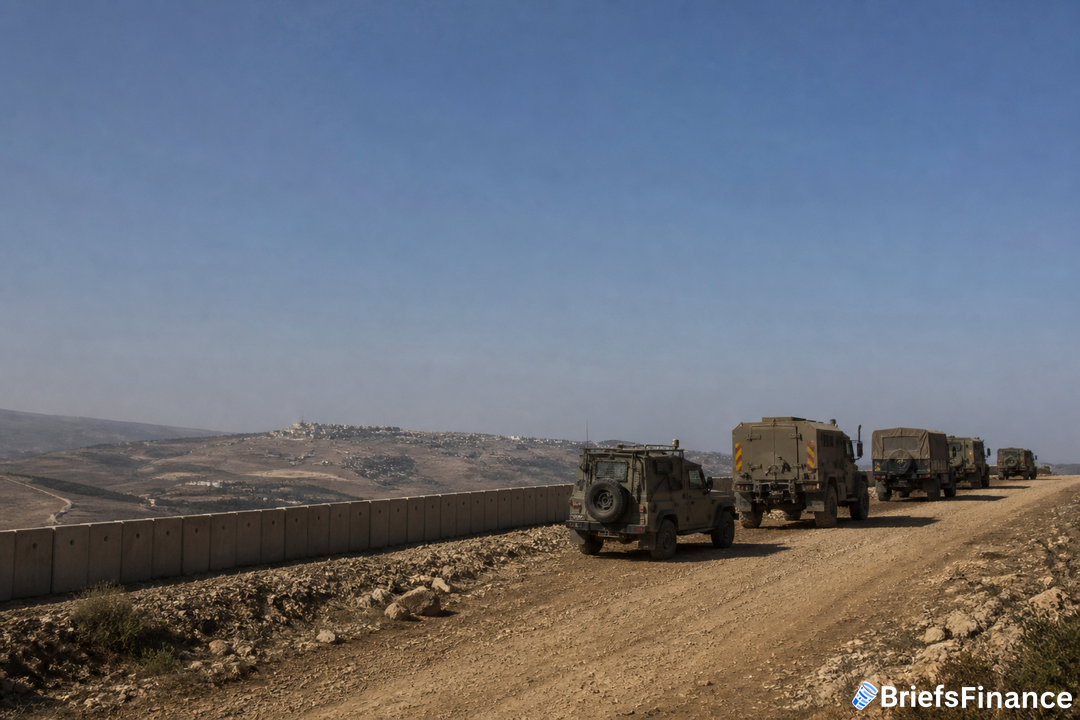
Mexico's Ministry of Foreign Affairs and the Navy said Saturday that it matched a U.S. buildup near Texas with coordinated "mirror operations." The move followed the U.S. stationing of about 500 soldiers in the Rio Grande Valley. Mexico outlined what it put in place on its side: 159 members of the navy, 11 vehicles, and a pair of drones. The effort is framed as joint activity in a Texas border area.
Border policy moves trade, labor, and cross-border supply chains long before it shows up in the data. Market Briefs covers those ripples free every morning.
U.S. view and stated purpose
U.S. Northern Command said Friday its presence in the Rio Grande Valley is intended to "strengthen border security operations, increase the joint force's ability to respond to threats and support federal law enforcement partners" working there.
Context and what to watch
Security has become the center of gravity in U.S.-Mexico ties. The Trump administration is urging tougher steps against cartels, while Mexico is working to keep trade discussions with Washington on track. Mexico also emphasized how it wants to work together: "The relationship between the two countries is guided by the four pillars of the Government of Mexico's binational policy: respect for sovereignty, shared responsibility, mutual trust, and cooperation without subordination." WATCH: Mexico Stresses Sovereignty in US Cooperation.
For your wallet, the headline is stability. When neighbors coordinate instead of clash, cross-border trade and supply chains face fewer surprises, which can mean less whiplash for prices and portfolios.
Security decisions between neighbors end up priced into goods on both sides. Get the free Market Briefs daily newsletter and follow what it costs.