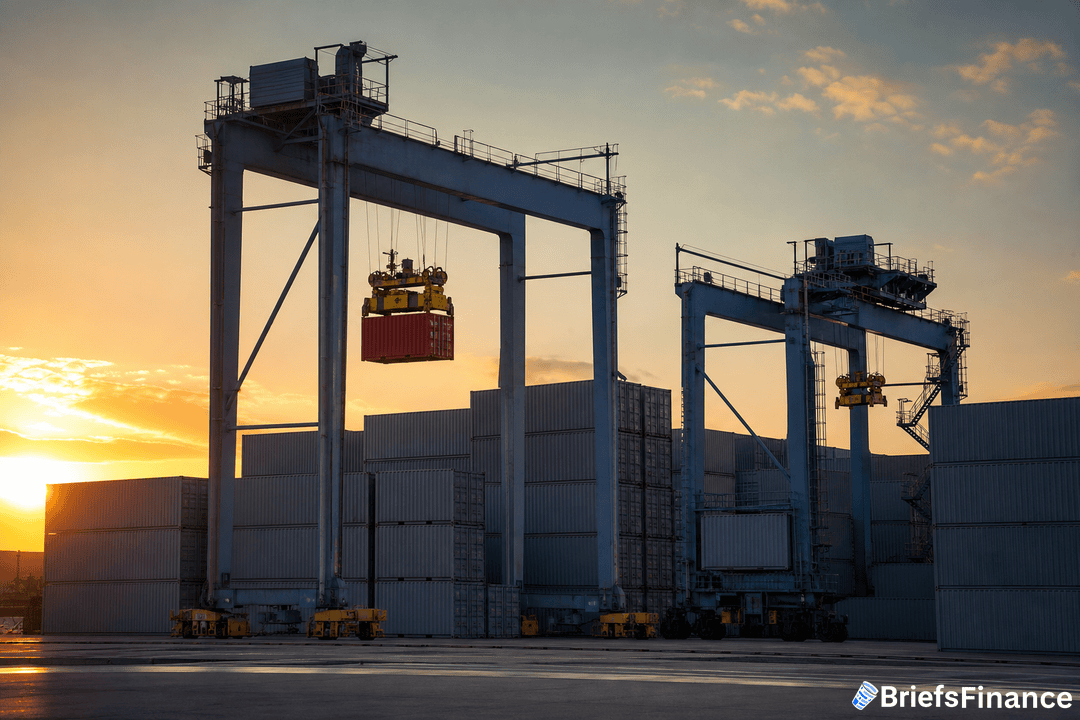
The US-Canada trade talks just fell apart. Mexico is hoping that creates an opening.
Mexico's leader, Claudia Sheinbaum, voiced confidence about securing an accord with Donald Trump, while her top trade envoy remains in the US capital for discussions, following the collapse of US-Canada negotiations. Her top trade negotiator is staying in Washington for several days to try to make it happen.
What Mexico Wants From Washington
Mexico's top trade negotiator, Economy Minister Marcelo Ebrard, is staying in Washington for several days to push for lower US tariffs. He is trying to cut the 50% tariff on Mexican steel and aluminum and the 25% tariff on automobiles.
President Claudia Sheinbaum is publicly upbeat about the chances of getting those numbers down. "As President Trump said, we hope to reach an agreement with the US," she said. "I'm optimistic an agreement can be reached."
As trade talks shift, start with the free Always Be Buying E-Book to build wealth on any income
The talks are part of the USMCA trade pact, the six-year-old agreement that covers the US, Mexico, and Canada. That pact entered its annual review phase last month, which is why all three countries are suddenly back at the table.
The Mess to the North
Canada is not in the same position. US-Canada negotiations broke down recently, and Trump responded by saying he will double tariffs on Canadian cars and parts starting next year. Canadian cars currently face a 25% tariff on their non-US content, and imported steel faces a 50% tariff.
The failed talks also led Washington to impose a 50% tariff covering roughly $20 billion worth of Canadian products. Canadian Prime Minister Mark Carney has already announced retaliatory tariffs that kick in on Sept. 8.
This is where Mexico sees its chance. With the US and Canada at odds, Washington may not want to pick a second fight with another major trading partner.
What a Split Could Mean for Mexico
Bloomberg Economics analyst Jimena Zúñiga thinks the US-Canada breakdown could help Mexico's position. "The US may be reluctant to open a second major front with another key trade partner, especially given the risk of higher prices ahead of the midterm elections," she said.
In other words, the US has an incentive to keep at least one trade relationship calm. Mexico is the obvious candidate.
The bottom line: If the US softens its stance on Mexican steel, aluminum, and cars, it could keep prices from climbing further for consumers and businesses. That matters for your portfolio because it lowers the risk of a full-blown trade war on your doorstep, which would hit car parts, construction materials, and a lot of the stuff your everyday life depends on.
When headlines turn chaotic, the Always Be Buying E-Book helps you invest consistently