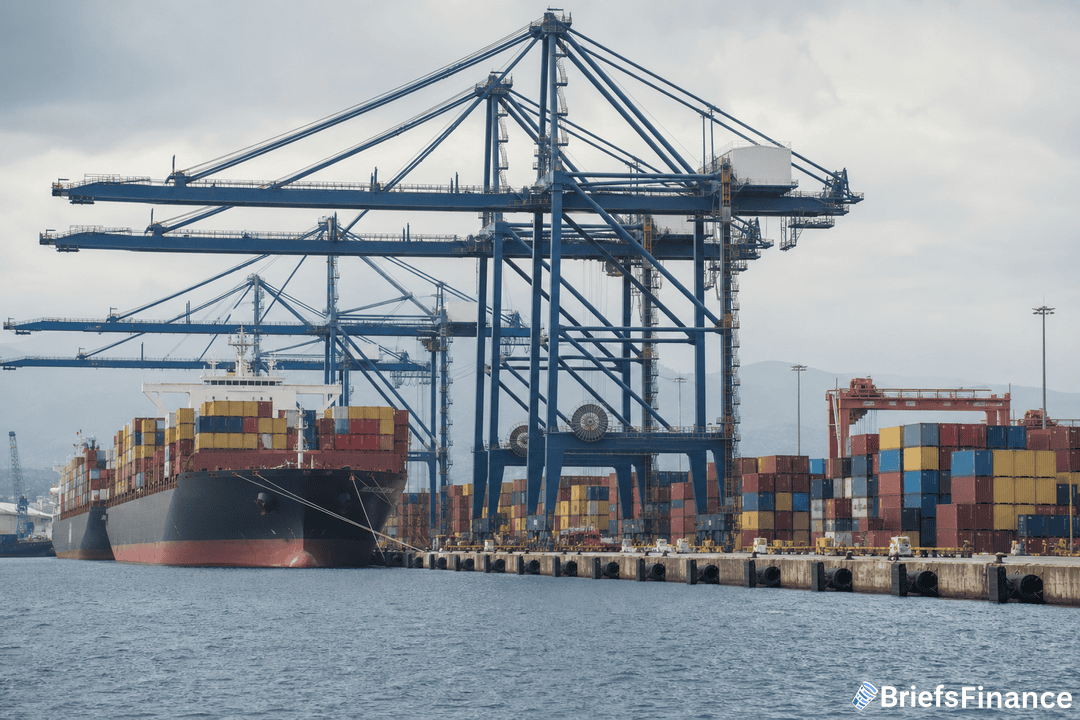
Mexico's administration is exploring additional trade barriers on selected imports from China and other nations while potentially increasing existing levies, according to four sources with knowledge of the discussions.
Such anti-dumping actions would bolster Mexico's position alongside Washington as President Claudia Sheinbaum negotiates to extend the USMCA trade agreement. The moves also support her push to boost domestic manufacturing during a period of weak investment at home.
The economy and finance ministries are deciding which goods outside current bilateral agreements might draw new tariffs or steeper duties. Steel and vehicles were named as leading possibilities, according to one source.
The economy ministry stated there's no finalized plan for tariff changes at this time. However, the ministry, responsible for foreign trade, confirmed it's conducting consultations with businesses similar to those preceding the tariff package on Asian imports introduced earlier this year. The ministry added it would pursue case-by-case investigations into alleged below-cost dumping, which could lead to new duties. The finance ministry had no comment.
Background on Existing Tariffs
In January, Mexico implemented tariffs reaching 50% on approximately 1,500 product categories from countries without free trade agreements with Mexico. This formed part of Sheinbaum's strategy to protect domestic producers and reduce tensions with former President Donald Trump. Chinese shipments absorbed most of the impact, especially in vehicles, auto parts, and steel.
With trade tensions rising, the free Always Be Buying eBook shows how to invest wisely on any income.
The timing of these potential new measures coincides with uncertainty surrounding the USMCA. Trump declined to renew the agreement that provides Mexico preferential access to US markets, triggering annual reviews instead.
The US administration has requested that Mexico impose duties on steel and aluminum from China equivalent to Washington's Section 232 tariffs. This request represents an effort to maintain favorable treatment for US, Mexican, and Canadian products while developing a unified approach toward Beijing. Bloomberg reported last month that Sheinbaum is receptive to this request during USMCA negotiations.
Domestic Manufacturing Goals
The proposed measures also support Plan Mexico, Sheinbaum's economic development initiative featuring tax incentives designed to attract private investment and strengthen local supply chains. Officials believe combining tariff protection with these incentives will encourage businesses to increase domestic spending and reduce Chinese import dependence.
Steel producers, textile manufacturers, and heavy vehicle makers have advocated for stronger safeguards against inexpensive Asian imports, claiming unfair trade practices have harmed production and eliminated jobs.
Mexico's tariff approach has already produced measurable results. Economy ministry data show that imports from China subject to those tariffs dropped about 30% year-over-year in the January-May period.
The potential expansion of trade restrictions reflects Mexico's balancing act between maintaining its privileged US market access and developing its own industrial capacity. As negotiations over the USMCA's future continue, these tariff discussions represent a critical component of Mexico's trade strategy, with implications for manufacturers, investors, and consumers across North America.
Amid tariff talks, download the free Always Be Buying eBook for a simple path to consistent investing.