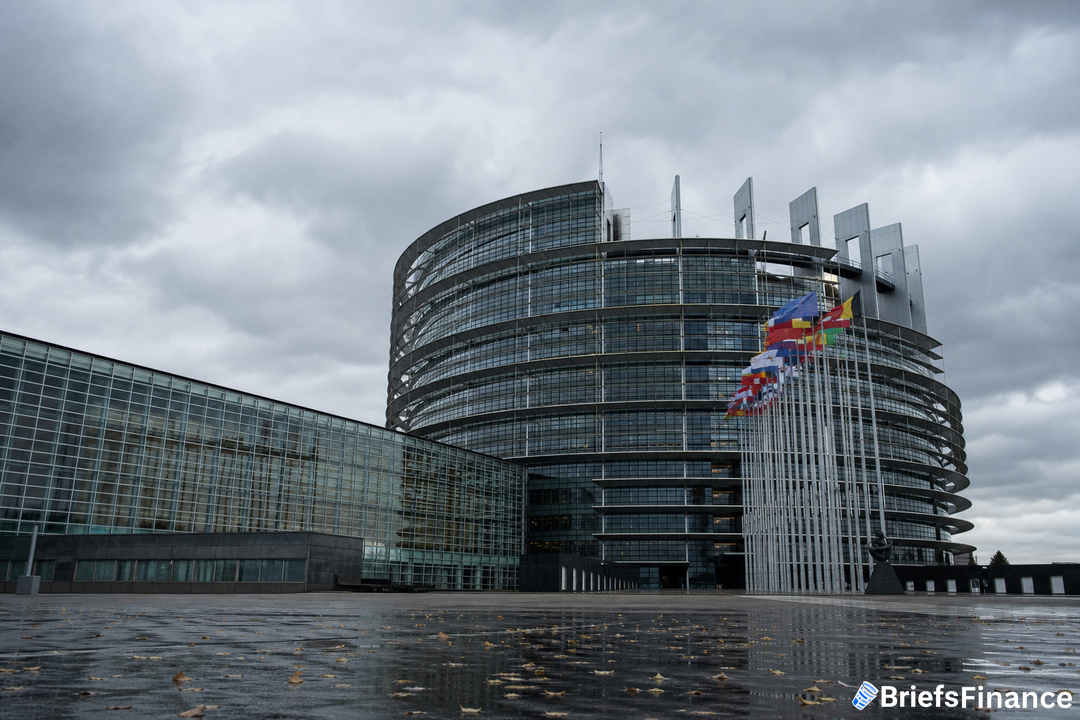
What is spooking Brussels
An EU official, speaking anonymously, warned that capitals are underestimating how precarious things look and keep asking Brussels to ease fiscal constraints when investors want clear, steady plans. The official added that if countries stick to agreed spending paths, ongoing interest rate hikes (designed to tackle Iran war-fueled inflation) should remain manageable. According to the second official, euro-area governments are likely to encounter significant market pressure in the months ahead.
Those pleas for leniency are arriving while Europe contends with expensive energy. Brent crude is hovering around $100 a barrel amid Middle East turmoil, and both Italy and Greece have recently requested additional flexibility from the European Commission, which oversees national deficits and debt. Even so, the first official cautioned that a green light from the EU executive does not ensure investors will fund governments at sustainable costs.
Where markets are flashing red
The economic mood has darkened in recent days, with a slide in French government bonds at the center. On Friday, the extra yield investors demanded to own French debt over safer German paper rose to levels last seen during the region's debt crisis 15 years ago. That strain is rippling outward: Italy's gap to Germany is on track for its widest weekly move since March 2020, and Spain's spread has also widened. Both are still shy of crisis-era extremes, but the speed of the move this week has revived contagion worries.
What capitals are asking for and what is next
The EU has permitted some carve-outs to help finance a rearmament drive and limited energy support, and a Commission spokesperson did not immediately comment on the latest requests. France, for its part, has questioned loosening budget rules for the energy shock and says it is trying to keep a lid on spending. Earlier this week, Paris rolled out next year's budget, including a €54 billion ($61.2 billion) effort to cut spending, aiming for a deficit of 5% of economic output in 2027, compared with 5.4% this year.
When financial plans face uncertainty, a simple steady approach helps; download the free Always Be Buying E-Book today
Finance ministers will convene in Luxembourg next week, with energy prices expected to be on the agenda, and fresh cautions against additional borrowing may emerge. For savers and homeowners, the takeaway is simple: if markets keep testing government finances, borrowing costs can stay bumpy and filter into everything from mortgage rates to the yield on your savings.
Download the free Always Be Buying E-Book and start putting your money to work today