What the petition says
The Consumers Federation of Kenya argues the state's plan to take a stake in the refinery lacks basic disclosures. The petition says Kenyans have not been told the acquisition vehicle, the subscription terms, the valuation, the funding source, the payment schedule, or the rights attached to the stake. Without those details, the group says there is no way to tell whether project risks have been shifted to the private party or left with consumers and taxpayers without adequate protection.
Filed with the Public Private Partnerships Petition Committee, the case urges the panel to suspend the project's approvals on an interim basis and to order authorities to evaluate if the plan offers "value for money."
Parallel legal and political pushes
This is the second roadblock the project has hit in Kenya. Last week, 133 petitioners went to court over compensation for land, and a judge ordered a halt to any construction until that issue is decided.
At a groundbreaking earlier this week, Aliko Dangote waved off the challenges, saying "anybody who wants to cause trouble, we are ready for his trouble and we'll give him headache." President William Ruto, addressing demands to release the agreement with Dangote, said, "They want to use the agreement for extortion - they are crooks," adding, "I have told them I'll be very tough. They will not succeed. The refinery will be built."
When big projects face scrutiny, long-term investing still rewards steady contributors, so get the free Always Be Buying E-Book
Project scope and what it could mean for your portfolio
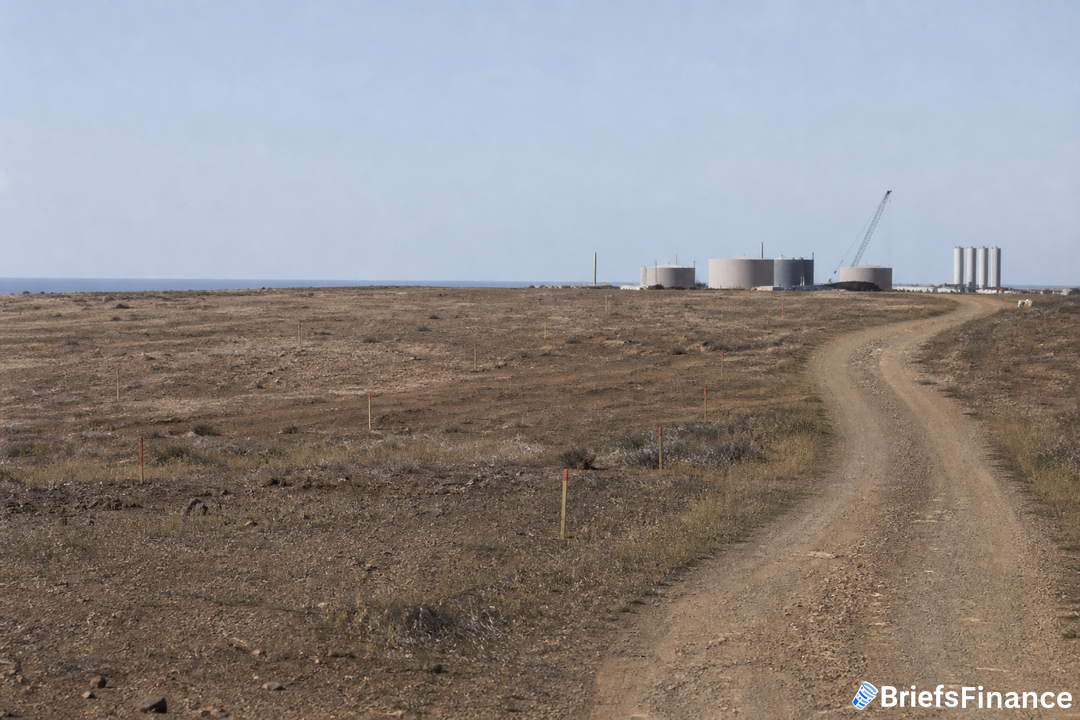
The planned refinery sits within the Lamu Port-South Sudan-Ethiopia Transport corridor, or Lapsset, a mega-corridor that also envisions a rail network, pipelines, roads, a power plant, and airports. Ruto said Kenya is seeking 3,000 acres for the complex, on top of 9,000 acres that the government already holds. He said no citizen would be dispossessed, adding authorities "will not evict any locals from their home," and, "If there will be anyone who's residing where we need land for the refinery project, it is the government of Kenya that will compensate them, not Dangote the investor."
The twin petitions could slow construction of a plant that is intended to cut eastern Africa's complete reliance on imported refined fuel, mainly sourced from the Middle East. For everyday investors watching regional energy supply chains or infrastructure linked to Lapsset, the key takeaway is simple: the timeline is uncertain, and headlines may keep moving the goalposts.
Even amid public debates, steady habits compound wealth over time, claim your free Always Be Buying E-Book today