From Mecca plant to global scale
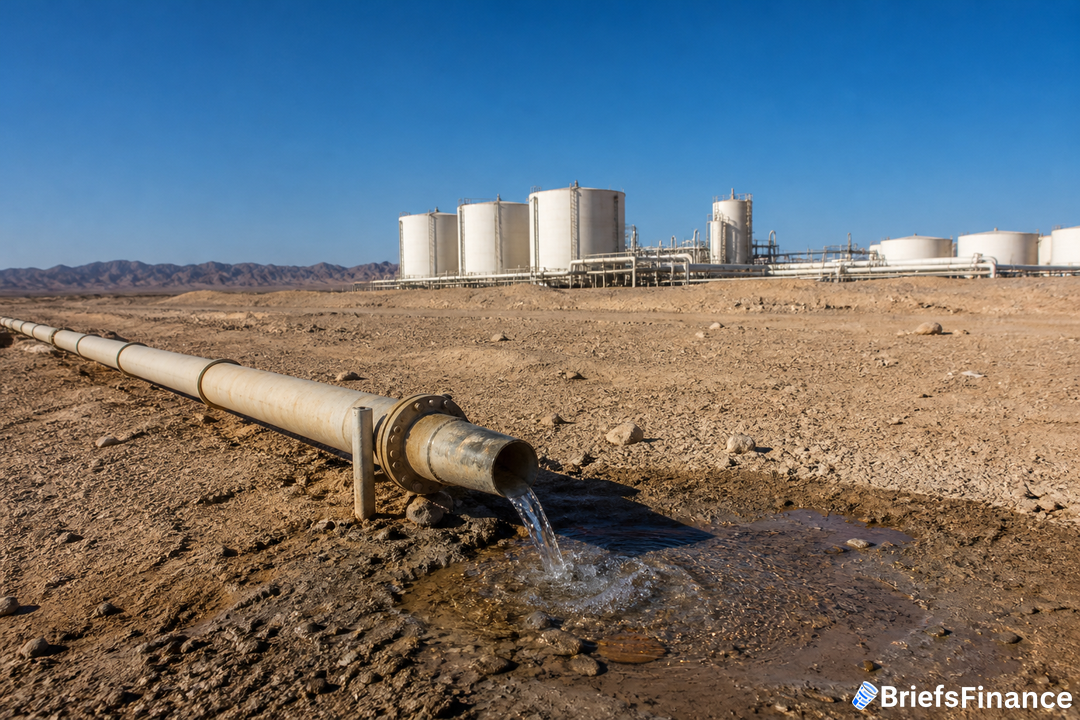
ACWA Power Co. launched in 2004 to deliver a combined water and electricity plant for Mecca. After Saudi Arabia opened up its utilities market, the company moved quickly, starting the multi-billion-dollar Shuaibah Independent Water and Power Project in 2005. Keeping water flowing to Mecca, especially during Hajj, was treated as both a national security priority and a religious commitment.
Those foundations set up a much bigger footprint across the Gulf's desert economies. Today ACWA is one of the world's biggest private desalination players and a leading producer of power in Saudi Arabia. It keeps adding water and power capacity alongside renewables across the Middle East and further afield.
In 2024, it began expanding into China with new renewable projects, and it is exploring opportunities to enter the US. It also secured government approval granting it sole permission to export green hydrogen made in Saudi Arabia to customers around the world.
Who owns ACWA and how the money grew
ACWA is valued at $34.9 billion. Across Saudi business circles, families have accumulated more than $9 billion by aligning with water-focused bets tied to ACWA. Based on filings and Bloomberg Billionaires Index calculations, the Abunayyan and Al Muhaidib families together hold at least 26.3% through direct stakes and their joint holding company, Vision Invest. The Public Investment Fund is the largest shareholder at 44.2%, and the fund itself totals $905 billion.
Mohammad Abunayyan is ACWA Power's largest individual shareholder. He learned the water business working with his father, who helped pioneer diesel-powered turbine pumps for irrigation, but he said at a 2009 business event that the Gulf War badly disrupted the sector, pushing him to diversify. Tycoon Sulaiman Al Muhaidib represents a diversified merchant family with interests spanning food, real estate and other lines. The third founder, Ahmad Al Rajhi, comes from a major investing and industrial dynasty.
At ACWA's 2021 IPO, Al Rajhi Holding Group owned 11.2%. In 2023, amid an internal reorganization, the group said it moved ACWA shares into investment portfolios held by related entities that have identical shareholder bases to Al Rajhi Holding. The disclosure did not name those entities, and more recent filings show no Al Rajhi-affiliated holders among ACWA's major owners with holdings of 5% or more. At current prices, that earlier 11.2% would be worth about $3.9 billion.
According to its website, Vision Invest concentrates on opportunities aligned with Vision 2030 in Saudi Arabia - aiming at diversification - and backs the kingdom's wider economic transformation. ACWA's rise shows how family-owned conglomerates are building big fortunes by aligning with national priorities.
Water infrastructure is one of the most durable businesses there is. Market Briefs covers these stories free every morning.
Risk, resilience and outside interest
The war has underscored the Middle East's dependence on desalination. Kuwait and Bahrain reported strikes on desalination projects earlier this year, and ACWA wrote in a June investor report, "Since the outbreak of the conflict, certain Group facilities within the region have come under attack," adding that it "maintains a robust operational framework to manage associated risks." With Gulf infrastructure under threat as the conflict continues, ACWA's broad base of facilities is expected to offer some protection.
Jefferies analyst Prateek Bhatnagar says water desalination is a major growth driver, and long-term contracts in that segment help cushion ACWA against short-term economic dips. He also notes that building desalination, clean energy and other renewable infrastructure sits at the heart of Saudi Arabia's long-range plans. ACWA operates more than 100 assets in multiple locations, and its footprint is expanding beyond the Gulf into Morocco, Uzbekistan, Egypt and Turkey. In his view, that diversification helps limit the impact from regional shocks.
Institutional capital is following the same themes. As more countries struggle with extreme weather and clean water shortages, asset managers and private equity firms from BlackRock Inc. to EQT Corp. have been channeling money into water projects. About half of global installed desalination capacity sits in the six Gulf Cooperation Council nations - including Saudi Arabia, Qatar and the United Arab Emirates - and tens of millions there rely on processed seawater.
What this means for your money
ACWA completed one of Saudi Arabia's largest-ever rights issues last year, and the stock has swung sharply at times, with some years seeing big drops. The company's core businesses are tied to essential services and national strategy, and requests for comment went unanswered by representatives of the three families and by ACWA.
If you watch utilities and infrastructure in the region, the pattern is clear: governments are prioritizing water security and renewables, and both families and state institutions are deeply invested. For your wallet, that suggests the projects that keep taps running and lights on are likely to stay funded even when the news cycle turns rough.
Essential-service fortunes compound differently than cyclical ones. Get the free Market Briefs daily newsletter and follow the model.