Project Redesign to Match Slower SAF Demand
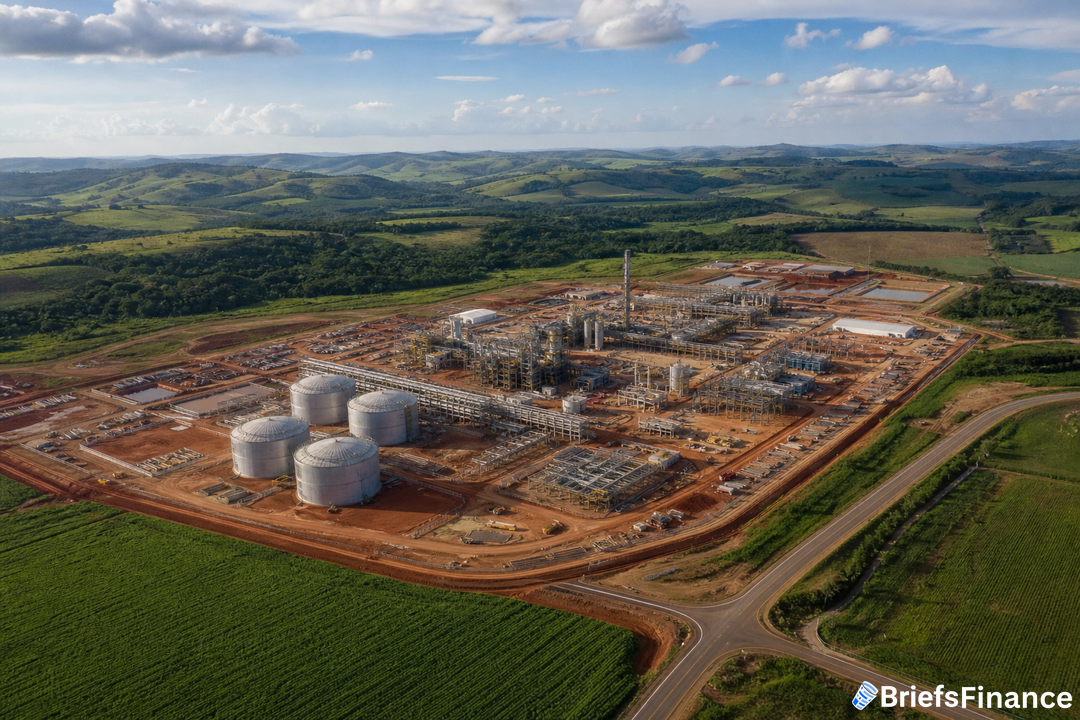
JetBio is reshaping its approach after sustainable aviation fuel demand grew more slowly than anticipated. Chief Executive Officer William Moore said the project has been reconfigured so it can also produce renewable diesel, giving the plant flexibility to run whichever fuel the market wants. He outlined the plan in a Wednesday interview in São Paulo and noted that broader momentum for green jet fuel is not expected to kick in until late in the decade.
The facility is intended to handle 1.8 billion liters of ethanol annually and can direct that volume toward either renewable diesel or SAF, depending on how demand trends evolve.
A Bigger Outlet for Brazil's Expanding Ethanol
With Brazil's ethanol volumes climbing, and producers expanding corn-based capacity in parallel with the nation's established sugarcane industry, the project would provide a new home for that output. Brazil, the world's No. 2 ethanol producer, is set to lift production by 12% this season, according to crop forecaster Conab, and supply is 40% higher than five years ago.
Fuel choice in aviation is a multi-decade bet on cost and regulation. Market Briefs covers the energy transition free every morning.
Why Dual-Fuel Matters and How It Gets Built
Moore said JetBio's flexibility to produce SAF and renewable diesel widens its ethanol supply options, since the specifications for renewable diesel are looser. "The ability to produce both products opens up immensely more supply and is a much more compelling story for the rest of the ethanol industry, not just the small part that makes the ethanol that we need for SAF," William Moore said.
JetBio is part of US-based Summit Agricultural Advisors Inc.'s portfolio. Summit's FS unit will serve as the exclusive provider of ethanol, supplying some from its own plants and coordinating additional volumes from other Brazilian producers.
Timeline, Financing, and What It Means for You
JetBio is collaborating with Brazilian lenders that may finance as much as 50% of the build, and it plans to reach a formal investment decision in early 2027.
For your money, the takeaway is straightforward: a $2 billion plant designed to pivot between SAF and renewable diesel is built around real demand signals from Brazil's swelling ethanol industry. That flexibility could support steadier utilization now, while positioning for aviation fuel to gain traction later in the decade.
Renewable diesel options change the economics of an aircraft order. Get the free Market Briefs daily newsletter and follow the shift.