What changed and why
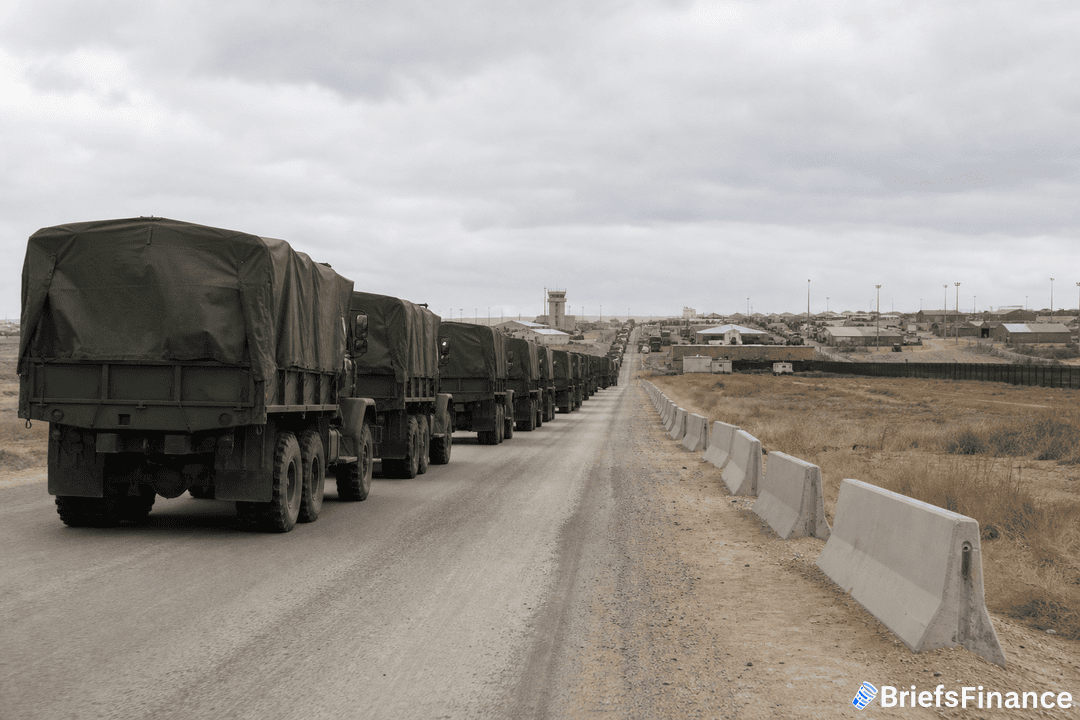
Putin shifted fiscal gears late last year, ordering a near $60 billion bump in planned military spending after deciding talks with the US in Alaska would not yield a deal acceptable to Moscow to halt the fighting, according to two people close to the government who asked not to be named. He had met US President Donald Trump in Anchorage in August 2025 and, at the time, hoped a peace framework could be worked out the following year. By January, however, the Kremlin judged a settlement with Ukraine unattainable and that US-led efforts had not delivered a breakthrough, one of the people said. From the start of the year, the government began speeding up prepayments to the defense sector and expanding other war-related expenditures.
The budget numbers
According to the people, defense spending is now on course to come close to 17 trillion rubles ($199 billion) before this year concludes, bringing it almost level with next year's amount in the budget unveiled last week and roughly 40% above what the government set out at the end of 2025. The shift is a stark break from a year ago, when officials aimed to slow the pace of military outlays to shrink the deficit and rebuild reserves drawn down by the war.
The extra wartime financing has pushed the projected 2026 shortfall to more than 7 trillion rubles versus an earlier 3.8 trillion ruble estimate. Authorities have covered the gap with increased borrowing at home and by selling gold. Military spending plans remain elevated for years: 17.1 trillion rubles in 2027, easing to 16.6 trillion in 2028 and 16.3 trillion in 2029. A request for comment from the Finance Ministry went unanswered.
War budgets reshape a country's fiscal position for a generation. Market Briefs covers that math free every weekday.
On the ground and the rhetoric
Russia has dialed up strikes with missiles and faster drones, hitting energy infrastructure, transport links, hospitals and other civilian sites. Over the past few weeks, its troops have again and again struck civilian districts - including in Kyiv - and have attempted to deploy drones against the capital's bridges. Near Black Sea ports, attacks on vessels have become an almost everyday occurrence, while Ukraine has stepped up its own strikes.
Putin has also cautioned that statements from European capitals are becoming more hawkish, reflecting rising anxiety over Russia's objectives and the chance of a confrontation. And these are our competitive advantages."
The Bloomberg Billionaires Index also gets a mention here as context on global wealth - it's Bloomberg's running leaderboard of the world's richest individuals.
The fiscal path and what it means for your money
Bloomberg Economics' read: officials are now planning for a long war but still likely underestimating the bill. They expect defense costs to overshoot again next year, though by a smaller margin than this year, keeping the budget deficit closer to 3% of GDP rather than the Finance Ministry's 2% goal.
For everyday investors, the takeaway is straightforward. Russia is leaning on bigger local borrowing and gold sales to fund higher and longer-lasting military outlays, with spending hovering near 17 trillion rubles this year and next and staying high through 2029. That kind of persistent fiscal pressure tends to ripple into currencies, commodities and rates. You do not need to trade it, but it is a backdrop worth clocking as you watch energy prices and broader geopolitical risk.
Where the money comes from is the question worth asking. Join Market Briefs free and follow the numbers.