What happened
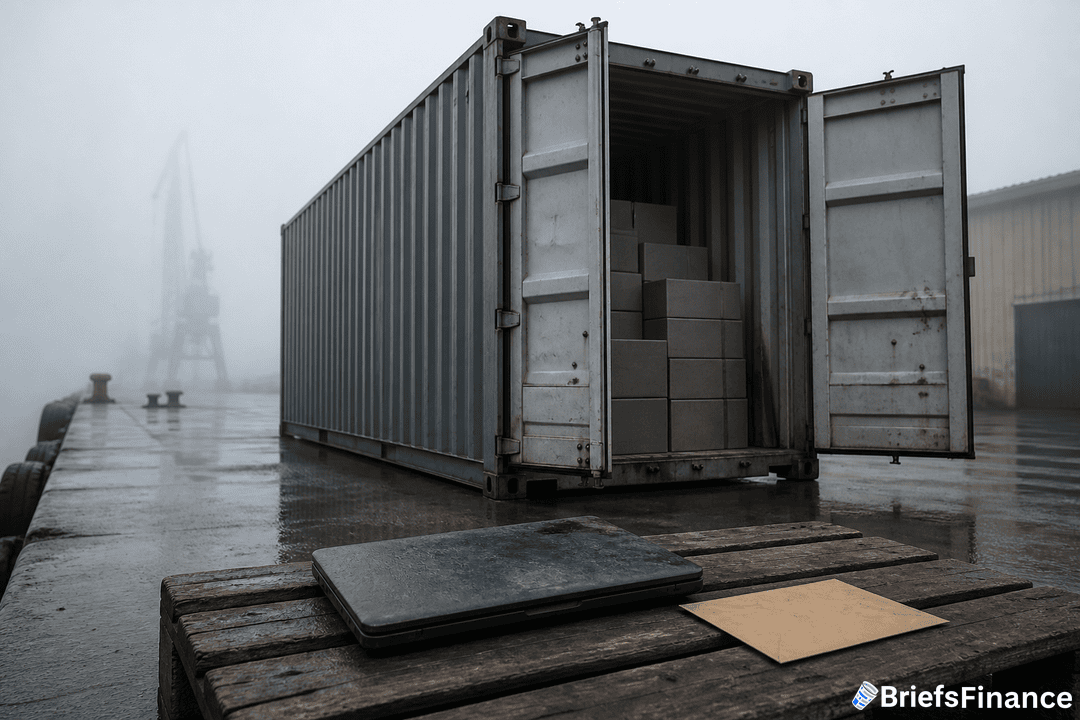
Leaving Australia behind schedule, a load of F-35 spare parts ended up going through Hong Kong as a supposed shortcut to get them to the US faster. According to a person familiar with the matter, the diversion happened because an employee at United Parcel Service Inc. failed to heed instructions banning passage through specific countries under the US International Traffic in Arms Regulations, or ITAR.
The freight forwarder DSV A/S had alerted handlers that the box contained an F-35 cockpit canopy and a weapons-bay door, both treated with radar-absorbing material. The intended route ran from Australia to San Francisco, stopping in South Korea and Taiwan, which are both US defense partners. Instead, the shipment was diverted through Hong Kong, and China ended up with the parts. The person spoke anonymously because they were not authorized to speak publicly.
Who was involved and what was disclosed
DSV was acting for F-35 maker Lockheed Martin Corp. when it flagged the ITAR restrictions, as US rules require. The person said the notice may have gone out through an IT platform other than the system the UPS employee was using to process the shipment.
Pentagon officials shared new details during an approximately hour-long Sept. 29 briefing with staff from the House Foreign Affairs and Armed Services committees. The account added context to how a chain of mistakes may have allowed access to highly sensitive US military technology, creating an embarrassment for both the Pentagon and Lockheed.
Lockheed manages a large portion of the global spare-parts pool that keeps F-35s flying for the US alongside 19 other countries. After Bloomberg initially disclosed the missing parts last month, Lockheed said, "our logistics decisions are not made unilaterally," adding that it picks carriers that align with government rules. It also said, "While we cannot discuss the details of which logistics partner was involved, we are working closely with them to help develop and implement preventive measures to strengthen our collective oversight and prevent recurrence." When presented with the new timeline of events, the company said Wednesday, "we have nothing to add or correct on the series of events you mentioned."
DSV spokesman Stephan Ghisler-Solvang would not comment. UPS spokesman Malcolm Berkley also declined to comment. UPS does not break out revenue in detail by sector, but in recent years has emphasized a push to win more business in areas that can include aerospace and defense.
Supply chain controls only work when the paperwork actually gets read. Market Briefs covers export rules free every morning.
Reactions and investigations
The Defense Department has tried to distance itself from responsibility and labeled the parts "unserviceable." US Transportation Command said it "was not involved in the transportation or coordination of the shipment in question." The Pentagon added, "We are actively working with U.S. authorities and industry partners to retrieve these components, investigate the incident, and place safeguards to avoid a future occurrence."
During the congressional session, Erica Plath, the Pentagon's deputy assistant secretary responsible for defense logistics, said she has assembled a team that is taking steps to prevent a repeat, according to the person familiar with the meeting. A Pentagon spokesman declined to provide specifics on the measures under consideration. Also present was a compliance officer from the State Department's Directorate of Defense Trade Controls, the office that enforces export-control laws, who is now examining the diversion.
Lawmakers are pressing for answers. Senator Mark Warner, the top Democrat on the intelligence committee, requested the Pentagon briefing. Committee chairman Senator Tom Cotton has called for an examination of the defense supply chain. Senator Kevin Cramer, a Republican from North Dakota who leads the Armed Services Committee panel probing the incident, asked, "Did China have a plan all along to intercept this?"
Why it matters
The F-35 is the most advanced fighter jet in service and the costliest US weapons program ever. China has tried for years to gather intelligence on it. The two misdirected parts, both treated with radar-absorbing material, were being shipped to the US in late May for potential repair or disposal, according to people familiar. Calling the loss "a big deal," Diana Maurer of the non-partisan Government Accountability Office, who leads oversight of F-35 sustainment assessments, said, "It's not good the Chinese now have" an F-35 canopy. She added, "I'm sure the Chinese celebrated and then they got busy trying to reverse engineer it and figure out how to counter it with their own technical capabilities."
For your wallet, here is the takeaway: a single logistics error can trigger investigations, briefings, and political heat for contractors and shippers tied to defense supply chains. How much that ultimately matters will hinge on what the Pentagon, State Department, and industry partners do next as they try to retrieve the parts, reconstruct what went wrong, and tighten controls.
Small administrative failures create very large security problems. Get the free Market Briefs daily newsletter and follow the story.