What Bloomberg tracked
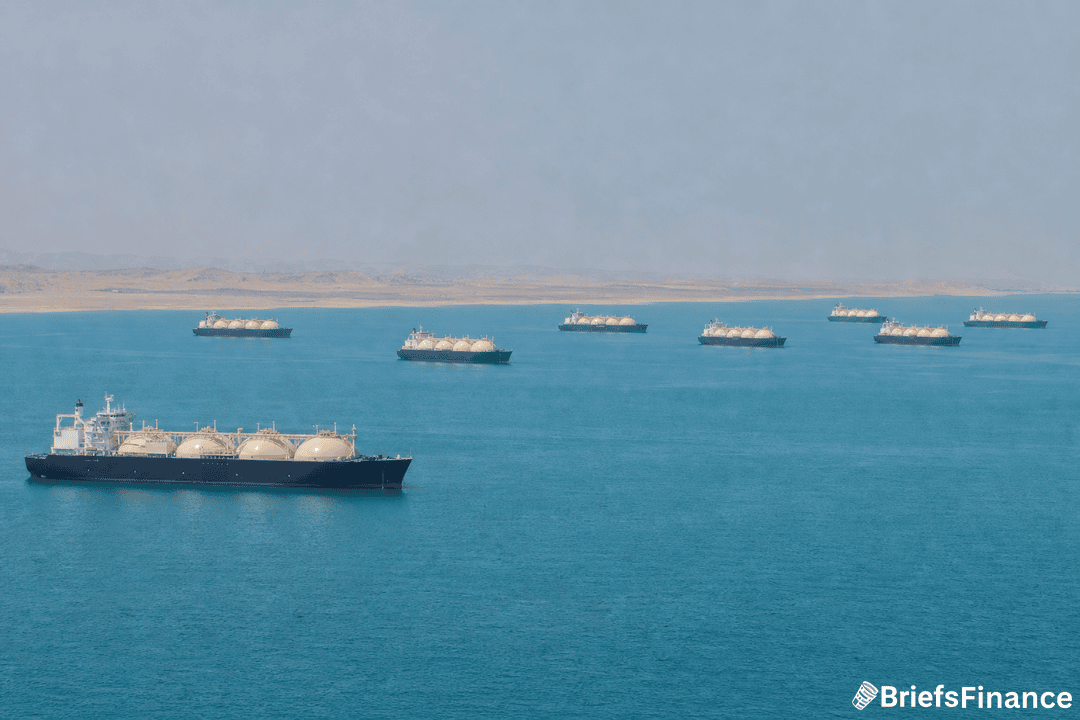
Fresh satellite and ship-tracking analysis shows at least 12 QatarEnergy-owned or chartered LNG carriers sitting in ballast off Qatar. That much parked capacity - enough to haul roughly 1.1 million tons, or about 2% of global LNG tanker carrying capability - suggests Doha could be gearing up to move more cargoes through the Strait of Hormuz.
Idle tankers are one of the clearest physical signals of oversupply. Market Briefs covers energy logistics free every weekday.
Risks and recent moves
Whether these ships will transit Hormuz after taking on cargo is unclear, especially amid a pickup in Iranian assaults on vessels. Citing Greece's shipping ministry, Athens News Agency said Tuesday that an unidentified object struck a Greek-owned LNG carrier near the strait. QatarEnergy did not promptly answer a request for comment.
Even so, the chance of more supply matters. Gas prices in Asia and Europe jumped last month to their highest since late 2022. In September, LNG flows through Hormuz reached their highest point since the war began; however, they are still around 75% beneath February, prior to the US and Israel attacking Iran.
What this could mean for your portfolio
The rebound has surprised some buyers already. India, for example, has pulled back on certain spot purchases to make room for returning Qatari cargoes. Oil shipments have snapped back faster in recent months, aided by ship-to-ship shuttling in the Gulf of Oman - a workaround that is technically tougher with super-chilled LNG. The market is watching whether LNG shipments keep recovering, and whether extra Qatari flows help take some pressure off prices.
Where ships wait tells you what the market expects next. Join Market Briefs free and read the signal.