What happened at launch
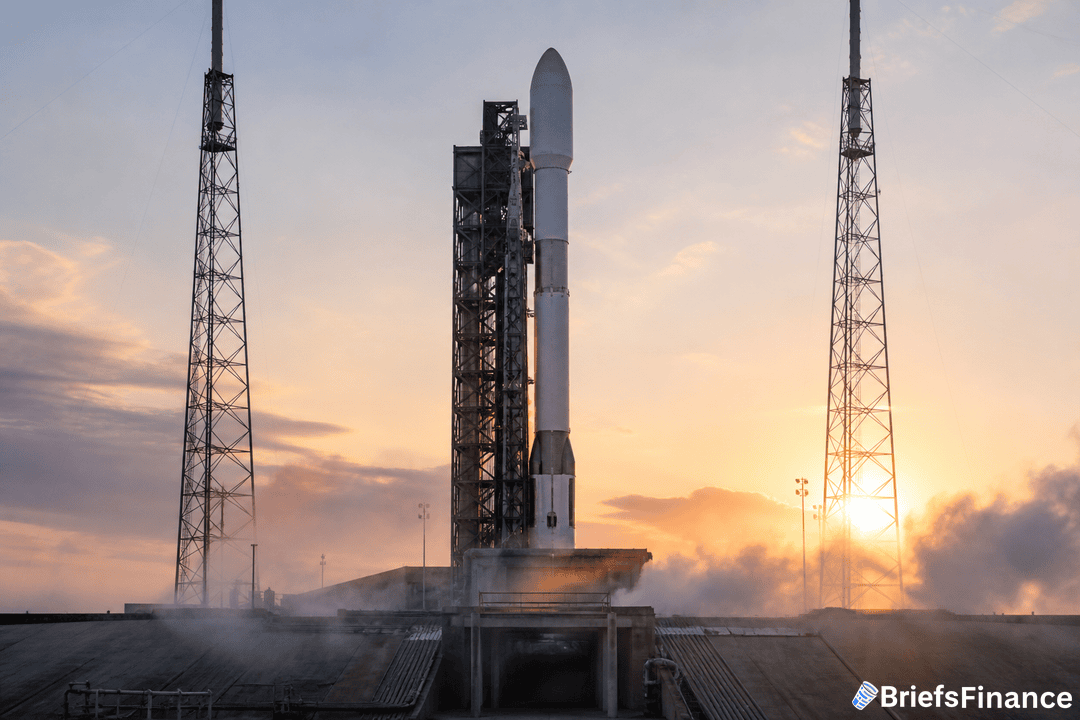
Right on schedule at 12:25 p.m. local time, South Korea sent its homegrown Nuri rocket up for mission number five from Goheung. The space agency said it reached the desired orbit about 12 minutes and 41 seconds later. On board: a record 15 satellites, with all but one released successfully.
The Korea AeroSpace Administration called the result a boost to the rocket's reliability and said it "has further enhanced the vehicle's launch reliability while reaffirming South Korea's independent aerospace capabilities and autonomous astronautics prowess." For a country that started later than some peers, it is a clear signal it is building momentum.
How the private sector was involved
Hanwha Aerospace took on more this time, overseeing both launch preparations and operations while staffing 20 of the 22 control consoles in the control center. The defense firm obtained sole rights to Nuri technology in 2025, after earlier serving as the primary engine developer. In 2024, South Korea set up a new national space agency, and it plans to develop a launch site for private firms, signaling a larger commercial role in upcoming missions. Nuri itself is the nation's first domestically built space vehicle, debuting in 2021 and notching its first successful flight in 2022.
Space launches are becoming a commercial industry with real revenue. Market Briefs covers that transition free every morning.
Reusable rocketry and why it matters for your wallet
Nuri flights sit within a 2.6 trillion won program, about $1.8 billion, and anticipates one additional launch before 2027. While Nuri is a single-use rocket, the Korea Aerospace Research Institute is working with Hanwha Aerospace, Vitzro Nextech and Hanyang ENG Co Ltd on reusable technology. Last month the institute said assembly had begun on a trial reusable rocket. According to a Hanwha Aerospace statement, the 12.2-meter demonstration vehicle with an eight-ton engine aims for a first test flight in 2028 to climb to about 500 meters in approximately 90 seconds.
SpaceX set the bar with Falcon 9, and in July China achieved its first sea landing of an orbital-class reusable booster. That made China Aerospace Science and Technology Corp. the third to showcase the capability, following SpaceX and Blue Origin.
What to watch next
For everyday investors, this is a reminder that government budgets, private contracts and real engineering progress tend to move in lockstep. If South Korea's reusable push stays on track, it can shift who wins launch business and how quickly costs come down. Keep an eye on companies tied to Nuri and to the reusable test program as milestones stack up.
Handing launches to private firms is how the sector scales. Get the free Market Briefs daily newsletter and follow it.