What happened this week
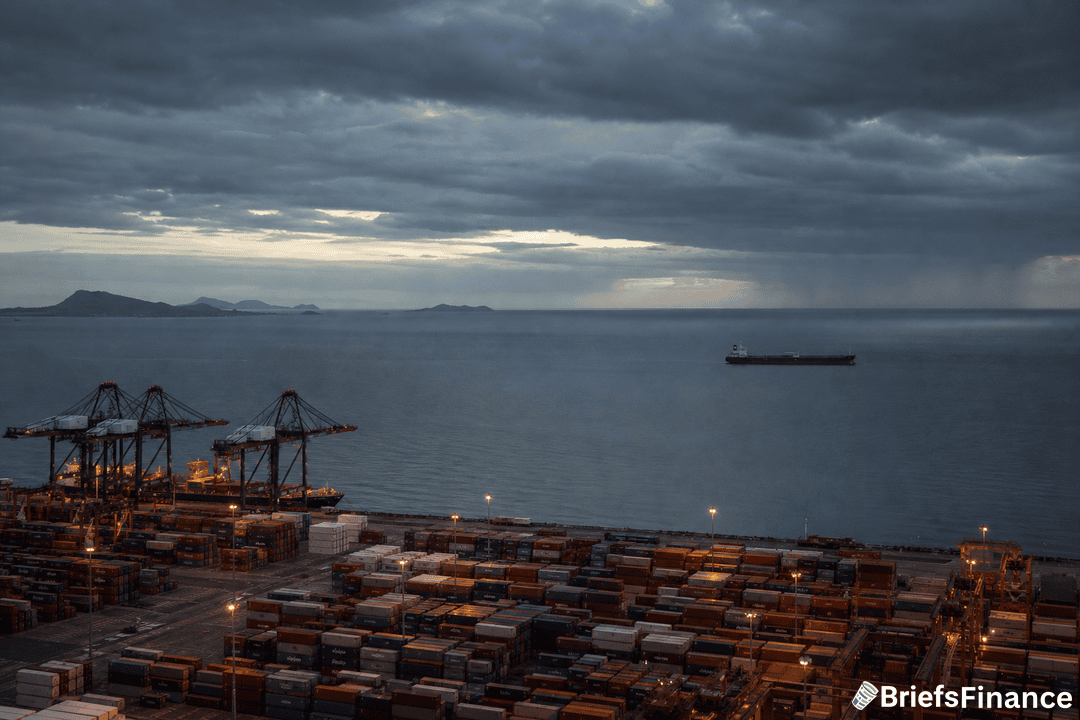
A fresh burst of tanker attacks tied to Iran in the key Hormuz corridor jolted energy markets, lifting Brent crude past $100 just as shipments through the waterway have been returning toward prewar levels. Higher oil fed into rising bond yields in the US, reviving worries that stubborn price pressures could still tilt the Federal Reserve toward more rate hikes, and it added momentum to the dollar.
Market moves and regional details
Emerging-market stocks fell 1% on Wednesday, only the second decline in the past five sessions. South Korea's Kospi slipped 2%, its weakest day so far this month. On the currency side, the MSCI gauge of developing-world FX edged down almost 0.1%, led by declines in Central and Eastern European countries. One bright spot: Colombia's peso outperformed as the oil exporter benefited from pricier crude, while other Latin American peers weakened.
"LatAm currencies have been under pressure in recent weeks, falling to their weakest levels in months," analysts at BBVA wrote. "The performance of LatAm FX remains uneven and renewed strength will likely require core yields to consolidate." Traders are now focused on inflation prints in the region, starting with Colombia late Wednesday, then Chile, Mexico and Brazil.
Emerging markets get squeezed when oil rises and yields climb together. Market Briefs covers that pressure free every weekday.
Policy signals to watch
Despite the central bank enacting its first rate increase in almost four years, the rupee of India weakened by 0.3% versus the dollar, as traders were let down by the absence of stronger measures to drain liquidity or support the currency. Poland's zloty dropped 0.7% after policymakers kept the benchmark rate at 3.75%.
In Peru, most analysts surveyed by Bloomberg expect a rate increase. If implemented, it would mark the earliest rate rise since January 2023 and break a two-year run of cuts that have reduced the benchmark by 3.5 percentage points.
Why it matters for your money
The near-term setup is a tug-of-war: oil, yields and a firmer dollar are headwinds, but there is a longer runway in parts of EM tied to artificial intelligence spending, especially in Asia. According to Bassel Khatoun, who leads research at Templeton Global Investments, "Many EM companies play an important role in building the technology that supports AI." "Overall, EM stocks remain well placed for the future." He added that more companies are emphasizing capital discipline and shareholder returns, and that "local economies also have their own growth profiles," which continues to draw investors. If you hold EM funds or single-country ETFs, this week's inflation cadence and whether oil's surge sticks will likely set the tone for currency and equity swings near term.
Two headwinds at once is what turns a wobble into a selloff. Join Market Briefs free and follow the flows.