What's changing and why it matters now
At a Budapest conference hosted by business site Portfolio, Andras Totth said Hungary will rework its entire power system to bring bills down and reduce dependence on imported fuels. The push is happening as Prime Minister Peter Magyar's government tries to unwind a growing reliance on Russian gas and oil built up under Viktor Orban, while also cutting the tab for electricity imports that has weighed on the economy and the budget.
He was blunt about the starting point: "Currently, the energy sector is a competitive disadvantage for Hungary, the whole system needs to be overhauled from zero."
The to-do list: nuclear, wind, solar plus storage
Policy steps include extending the lifespan of existing nuclear units and pursuing a longer operating run for the 2,000 megawatt Paks plant. The government will also remove the investment ban on wind and is aiming for 4 gigawatts of additional wind capacity by 2032. After a 15-year drought in new wind builds, procurement for fresh projects is already moving.
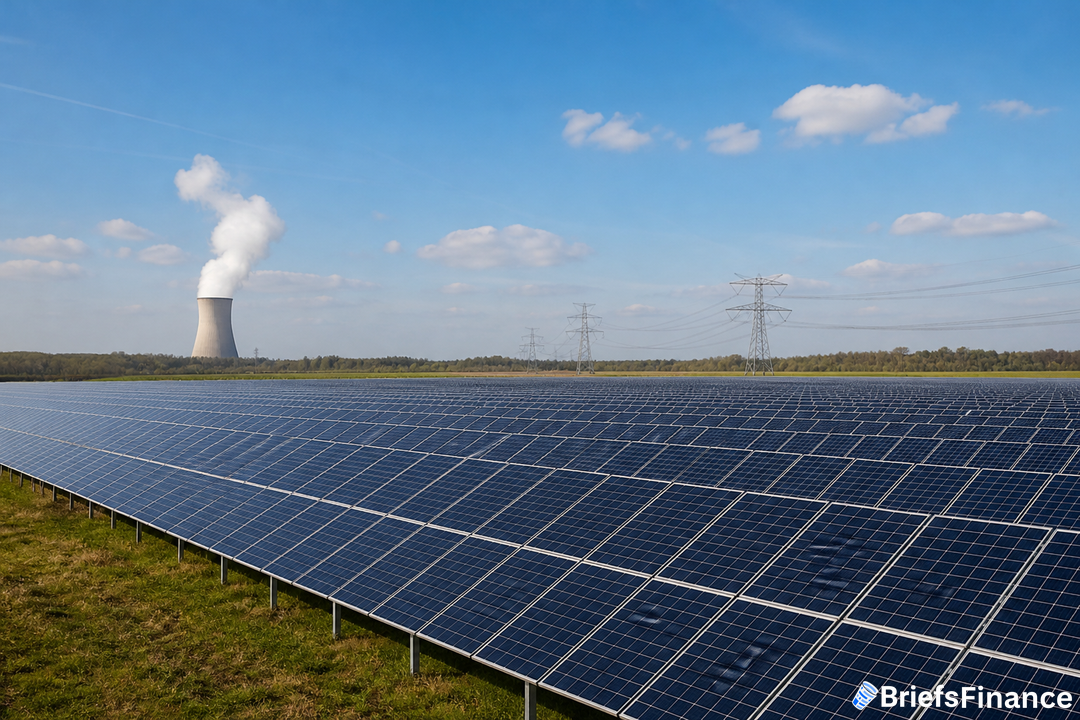
Solar is getting a storage boost so panels can feed the grid when it pays. Hungary has installed nearly 9 gigawatts of solar, but with little storage it often exports when prices are cheap and buys back when they are rich. By 2028, the plan calls for a minimum of 3 gigawatts of battery and other storage capacity, and it also pushes for greater efficiency investment by companies across the economy.
Energy policy decides industrial competitiveness more than tax rates do. Market Briefs covers that link free every weekday.
Prices today, targets for tomorrow
Hungary holds Europe's highest peak night-time power price at €183.1 per megawatt-hour, or about $205. A government chart on overnight electricity costs tracks the maximum prices since Aug. 2025 and is credited to Hungary's Economy and Energy Ministry and Andras Totth.
Looking ahead, Totth said wholesale prices could slide by more than sixty percent to roughly €50 per megawatt-hour by 2040, versus about €128 under today's setup, which is partly dependent on gas-fueled plants. The overhaul lands in advance of an EU rule that will prohibit imports of Russian gas and alongside pressure to curb public spending.
The budget squeeze and the household bill
Costly imports and hefty household subsidies have dented economic competitiveness and put stress on the state's finances. The utility price support program alone ran about $2.5 billion last year, and Totth labeled it "unsustainable," even with cheaper gas. To stabilize the books, Hungary aims to bring the fiscal deficit down to 3% of GDP by 2030, down from an estimated 7.5% this year, in pursuit of meeting euro adoption criteria by decade's end. Two levers are on the table: better targeting subsidies or lowering the overall energy tab with a more diverse, efficient power mix.
For your wallet, this is the kind of structural shift that can ripple into electricity bills and tax policy over time. Keep an eye on how quickly wind, storage and nuclear life extensions show up in the data, and whether subsidy reforms pace toward that 3% deficit target by 2030.
High power prices push manufacturers to relocate eventually. Join Market Briefs free and follow the plan.