What happened in Manila
Officials from Saudi Arabia and the United Arab Emirates joined a special Asia Zero Emission Community session on Thursday and will support Tokyo's push to fortify Southeast Asia's oil safety net. Energy ministers from AZEC's 11 partner countries, among them Japan, Indonesia and Australia, gathered in Manila to work on joint approaches for oil purchases and strategic stockpiles.
The group adopted AZEC's ministerial work program aimed at strengthening oil stockpiles and building countries' capacity to handle potential supply shocks. Japan set up the AZEC framework to advance regional collaboration on both the energy transition and energy security. As Japan's State Minister of Economy, Trade and Industry Takagi Kei said in Manila, "Both countries from the Middle East expressed their willingness to cooperate on strengthening oil stockpiling capacity in Asia."
Energy diplomacy quietly determines who gets supply in a crisis. Market Briefs covers that network free every morning.
Why this matters now
War-related turmoil has been a gut check. Asia bore the brunt once the US-Iran war broke out in late February, underscoring how dependent Southeast Asia is on imported crude. Prior to the fighting, Persian Gulf suppliers provided over half of the region's crude, and Japan obtained about 90% of its oil from that area, with the majority of cargoes transiting the Strait of Hormuz.
When Hormuz was closed, costs jumped, shortages hit, some refiners cut processing, and governments rationed fuel. Policymakers are rethinking their playbooks. In April, Japan announced $10 billion in support for Southeast Asian nations facing soaring crude prices and Middle East disruptions, funding oil purchasing, storage facilities and emergency reserve buildouts. Philippines energy secretary Sharon Garin stressed the stakes at a joint briefing with Takagi, saying, "The recent disruptions in global energy markets, particularly at the critical choke point of the Strait of Hormuz, have reinforced the importance of strengthening our collective preparedness against energy supply shocks."
What it means for your money
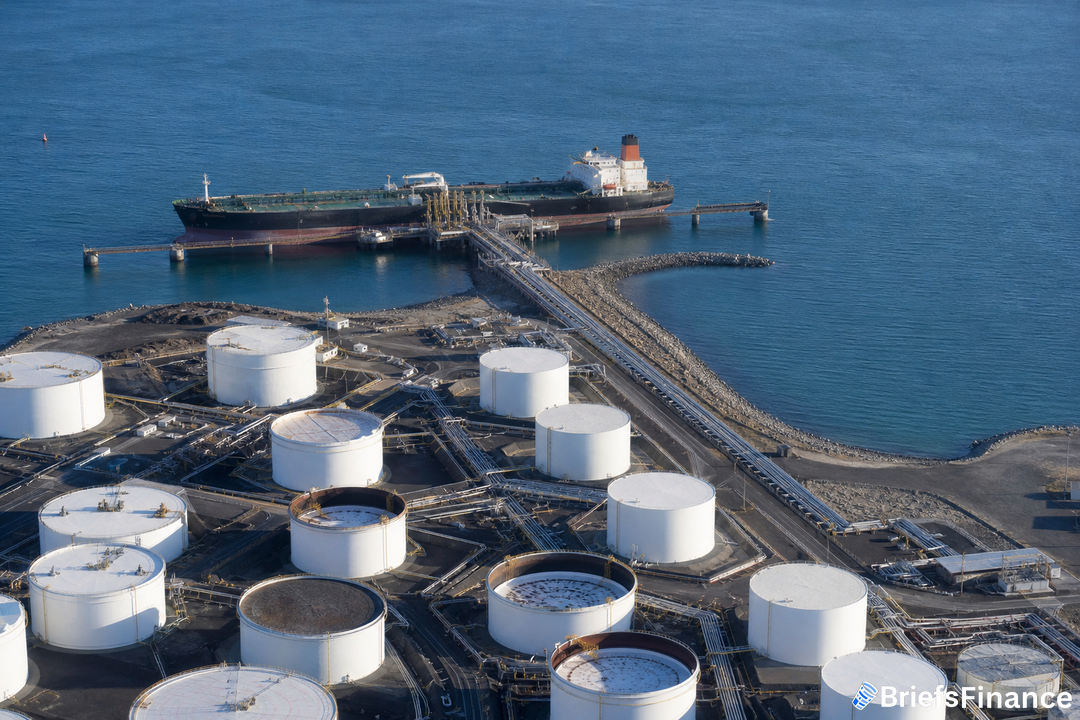
Across much of the Association of Southeast Asian Nations, oil inventories are still shallow, and with crude above $100 a barrel, restocking is expensive. AZEC's proposed framework could enable importers to secure one-on-one supply deals with Middle Eastern producers, while assisting Persian Gulf sellers by positioning additional barrels nearer to Asian buyers.
Backing another country's supply security is a strategic investment. Get the free Market Briefs daily newsletter and follow it.