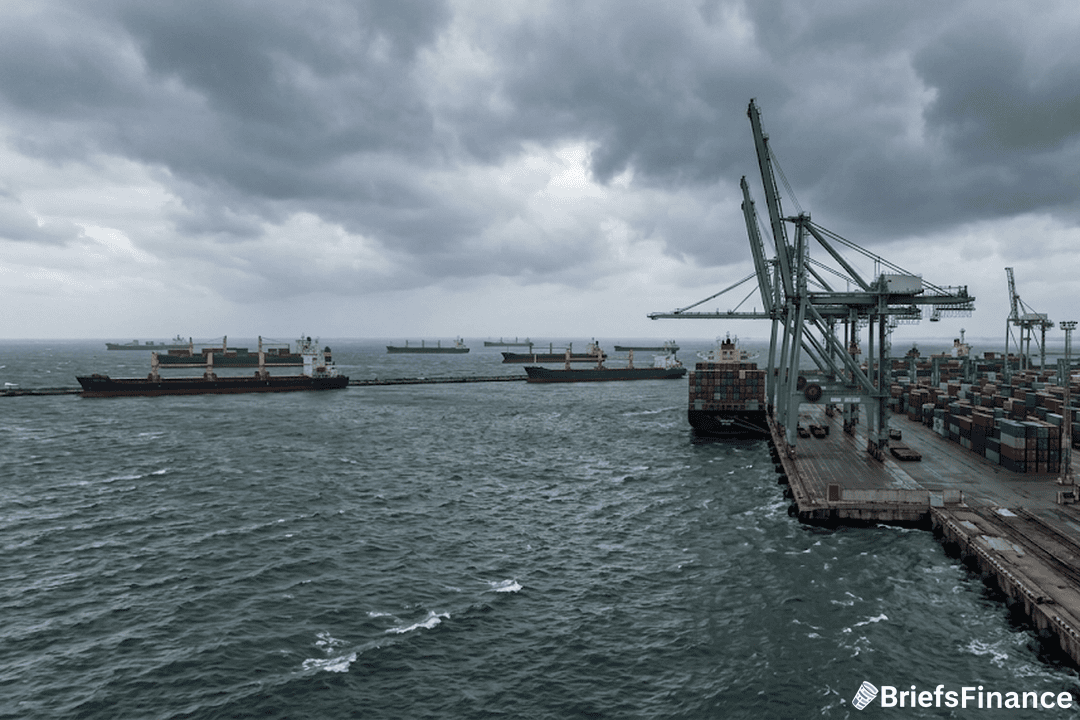
Turkey Puts Some Ship Permits on Hold
As of August 8, 2026, Turkey is delaying some commercial vessels that would normally transit its straits en route to the Black Sea, people familiar with the matter said.
Turkey's coastal safety directorate has notified several ships going to Novorossiysk, a major hub for oil and crop exports, and some vessels bound for Ukraine that it is withholding permits for now or needs more time to evaluate their Dardanelles transit requests. Officials have not explained why, and the people spoke anonymously because that information is not public.
The waterway here is the Bosphorus and Dardanelles, one of the world's busiest shipping routes, which links the Black Sea to the Aegean. In 2025, Transport Ministry figures put Bosphorus transits at over 40,000 ships.
The Attacks Behind the Move
The restrictions come after a stretch of violence on merchant ships. The Turkish Foreign Ministry reported earlier this week that several of its nationals had been wounded when drones hit two Turkish-owned vessels.
A month earlier, an attack hit another Turkish-owned vessel near the Caspian Pipeline Consortium oil-export terminal at Novorossiysk, and that terminal has repeatedly had to suspend and restart loadings because of strikes.
Turkey has responded with a call for stronger security. The Foreign Ministry said: "We reiterate our call to all relevant actors, especially the warring parties, to urgently implement concrete measures to ensure navigational safety in the Black Sea."
Get the free Always Be Buying eBook and learn the simple system for building wealth on any income
The ministry also warned that escalation would have "multifaceted negative consequences."
The move is not a full shutdown. Bloomberg ship-tracking data on Saturday showed ships with destinations in Bulgaria, Romania, Georgia and Turkey still moving up the Dardanelles.
The coastal safety agency passed questions to the Transport and Infrastructure Ministry, which was not answering outside normal business hours.
Why Food and Fuel Markets Are Watching
This is a sensitive time for food and fuel markets. Russian and Ukrainian attacks have already raised worries about Black Sea grain exports. Now Turkey is telling some of the ships that carry that grain to wait.
There is an oil angle too. Novorossiysk is a major export point, and the delays could complicate crude shipments while the Iran war and reduced flows through the Strait of Hormuz are already disrupting trade.
Turkey has a narrow lane to walk. A 1936 convention obliges it to keep the straits open to merchant shipping while allowing it to manage navigational safety.
Because the straits are one of the few exits from the Black Sea, any slowdown at this chokepoint affects trade routes for grain and oil from the region. Even a short delay can force cargo owners to rebook loadings or absorb extra costs while ships wait.
What It Means for Investors
When a chokepoint like this slows down, the cost shows up in prices. Grain and oil move around the world on ships, and any delay adds to the bill.
That can mean higher costs for food companies and shippers, and eventually for shoppers. It can show up in your portfolio too, because shipping costs ripple through a lot of industries.
Turkey is also a NATO member, which gives it a tricky balancing act between Kyiv and Moscow. It has tried to keep good ties with both sides.
This delay could loosen as quickly as it appeared. For now, this is one more reason to watch the Black Sea: a short wait for a ship can turn into a noticeable move in the cost of everyday goods.
Download the free Always Be Buying eBook and start putting your money to work today