What changed in the quarter
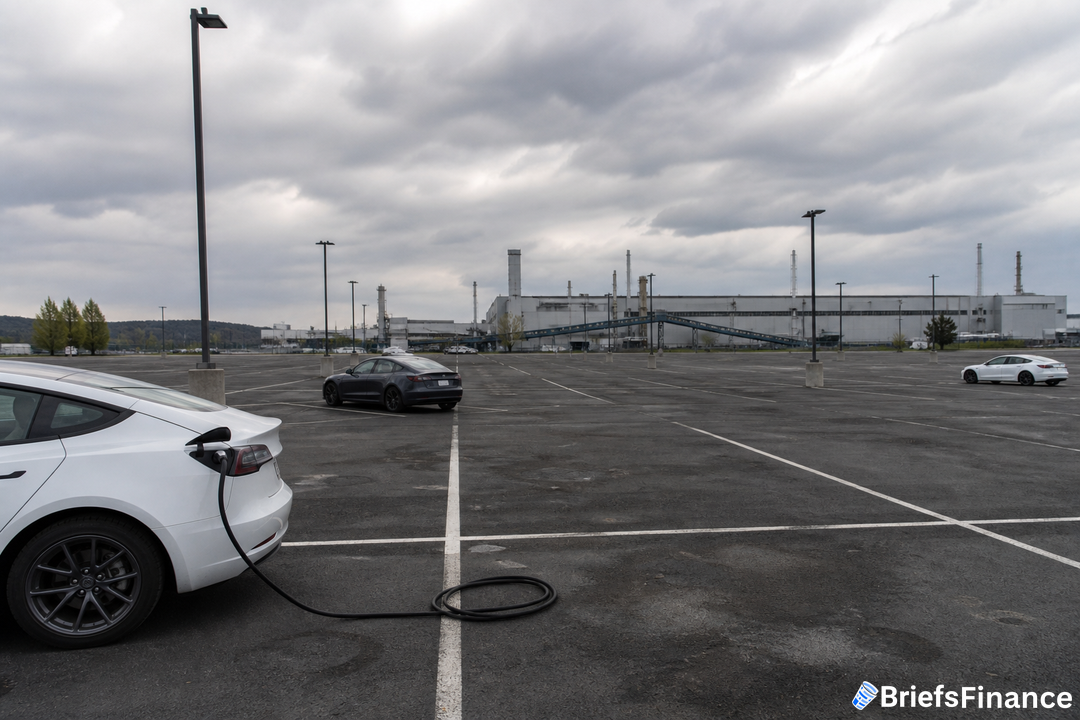
Analysts surveyed by Bloomberg estimate Tesla handed over about 463,761 vehicles worldwide in the latest quarter, a drop of roughly 7% from the prior year. The year-ago comp was flattered by US buyers hurrying to purchase electric vehicles ahead of the expiration of a federal tax credit last September, which helped Tesla set a third quarter high near 500,000 deliveries back then - a mark it has neared several times but never cleared. Tesla is expected to report official sales figures on Friday.
JPMorgan's Rajat Gupta is on the high end of estimates at 482,000 vehicles, even after he cut his target on Monday, citing worries about US and China sales.
Why growth looks stuck in neutral
With US demand softening, fiercer rivals in China, and an aging model range, Tesla's auto unit is more likely to tread water than snap back. "The legacy EV business has reached the point where it is stabilized, but at the same time, it's not a business I see growing again at the rapid rate that it did in previous years," said Andrew Rocco of Zacks Investment Research, where he is a stock strategist. Analysts, after two straight yearly declines, still anticipate a modest uptick this year, with estimates hovering around 1.77 million for total-year deliveries.
Investors are tempering expectations for the core car business while tracking Elon Musk's efforts in self-driving, AI, and robotics, and for any signs that Tesla-SpaceX merger chatter becomes something real. Outlays on those moonshot efforts are forecast to top $25 billion this year, and it could take years before efforts like the slow-growing robotaxi service or the not-yet-launched Optimus robot lift margins in a meaningful way.
When quarterly results vary, keeping a steady investing plan matters, so download the free Always Be Buying E-Book today
Where momentum still shows up
Tesla shares are down more than 20% for the year through Wednesday's close, though they've recovered somewhat over the last two months. Recently, the company has focused on showcasing previously announced products rather than unveiling new long-horizon projects. In September, the company staged two high-profile events spotlighting the Cybercab and the long-promised Semi. The company said the public debut of the Roadster was pushed to later in the month because of weather.
"The company desperately needs a new model, a successful new model, from a brand standpoint," said Garrett Nelson, a senior equity analyst with CFRA Research. He also pointed to European Union sales as the standout within the EV maker's three primary regions. According to the European Automobile Manufacturers Association, new Tesla registrations in the EU rose 52.7% in August and were up 65.9% over the first eight months of 2026, as EV demand there accelerates on the back of soaring fuel prices and an influx of lower-cost Chinese-made EVs.
The US, China, and the delivery math that follows
Fewer EV nameplates from legacy automakers help at the margins, but Chinese brands are a growing headwind as they flex their scale. In China, Tesla has been dangling discounts at quarter-end on the Model 3 and Y to sustain demand. Data from the China Passenger Car Association show about 36,000 of Tesla's 86,000 China-built vehicles were exported in August, and Shanghai-made deliveries fell month over month. In the US, Tesla remains the leading EV seller, but Cox Automotive's quarterly data show overall sales are down 31% from a year earlier.
Bottom line for your money: near-term delivery growth looks more like a plateau than a pop, while the big upside narratives - autonomy, AI, robots - demand heavy spending and time. The next meaningful catalyst may hinge less on a single quarter and more on whether those long-term bets start to show practical traction.
Even as headlines shift, sticking with regular investments builds wealth over time, get your free Always Be Buying E-Book