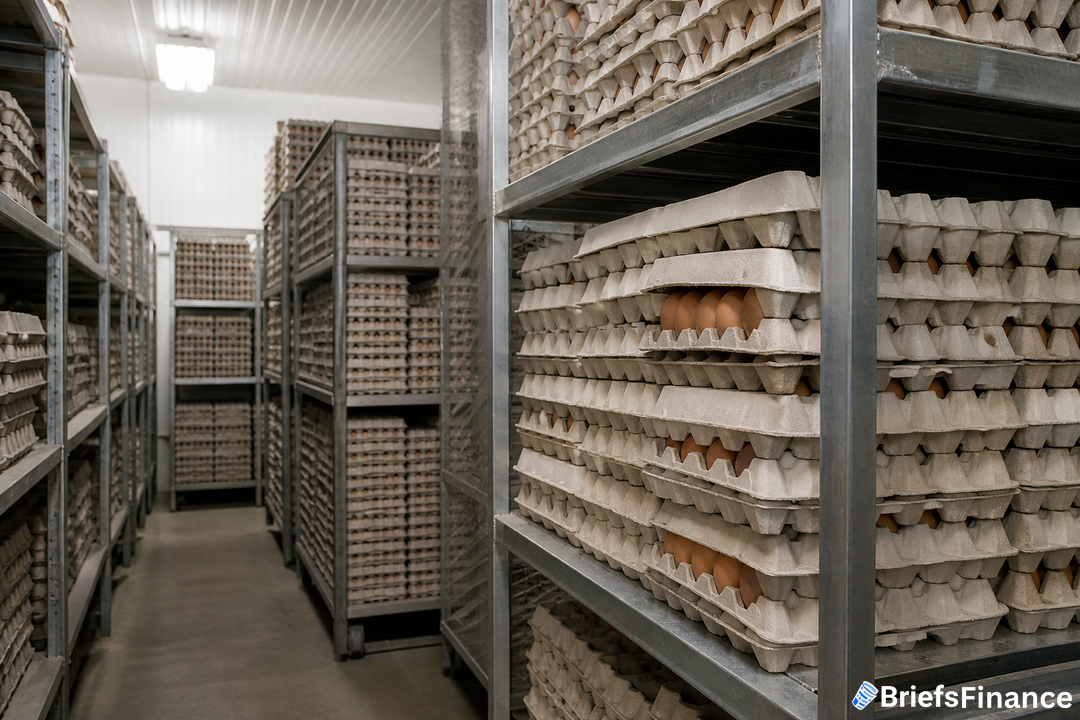
What changed in the egg aisle
Eggs went from inflation villain to value buy. Last March, outbreaks of bird flu helped push shelf prices above $6 a dozen and kept them elevated through the year, even briefly topping beef. This year flipped the script: producers bulked up flocks expecting worse outbreaks that did not arrive, and prices slid.
According to the Bureau of Labor Statistics, the August average for a dozen large grade A shell eggs was $2.272. US President Donald Trump has repeatedly cited cheaper eggs to claim inflation had cooled before the midterm elections, even as beef stayed at record highs.
Earnings hit and what management sees next
Cal‑Maine's fiscal first quarter was rough: net sales fell 42% and the company recorded a $59 million net loss. It also said it will not pay a cash dividend, and the stock slid up to 7.4%, marking its lowest price since 2024. Chief executive officer Sherman Miller put a fine point on the near term, saying, "We are not attempting to call the precise bottom in the conventional egg cycle," and warning that "Near-term results will continue to reflect low conventional wholesale egg prices, higher input costs and the current supply imbalance."
Supply signals to watch
Oversupply remains the story, but there are a few gauges flickering. Miller said the company is seeing "early supply indicators worth watching against the demand backdrop that remains healthy," and added that "affordability and greater promotional activity should provide additional support to consumption as we move into the seasonally stronger fall baking and holiday periods." A US Department of Agriculture report last week showed both egg output and the laying flock rose year over year in August, while placements of egg-type chicks intended for future hatchery supplies fell 7%.
One more backdrop: a recent settlement
Earlier this year, Cal‑Maine joined two other producers in a resolution that included donating 53 million eggs and paying $3.3 million to settle a probe by federal and state antitrust enforcers; investigators concluded the companies worked together to affect a price index used to set some egg sales.
When earnings and prices shift, keeping a steady plan pays off; get the free Always Be Buying E-Book today.
For your wallet, cheaper eggs and ongoing promotions could free up a bit of grocery budget, but management's caution on low wholesale prices and higher inputs is a reminder that today's bargains are being driven by a supply glut that can shift as flocks and demand rebalance.
As costs and outcomes vary over time, you can build wealth steadily with the Always Be Buying E-Book.