What happened in the numbers
Chile's Imacec gauge, a stand-in for GDP, slid 0.7% from July, missing the median call for a gain from analysts polled by Bloomberg. July's figure was revised to a steeper monthly decline of -1.8%. On an annual basis, activity fell 1% compared with August 2025, the central bank said Thursday. Bloomberg's snapshot shows the monthly print at -0.7% versus a 0.5% estimate, and the annual figure at -1.0% against a 0.3% estimate.
Why activity fell and what offset it
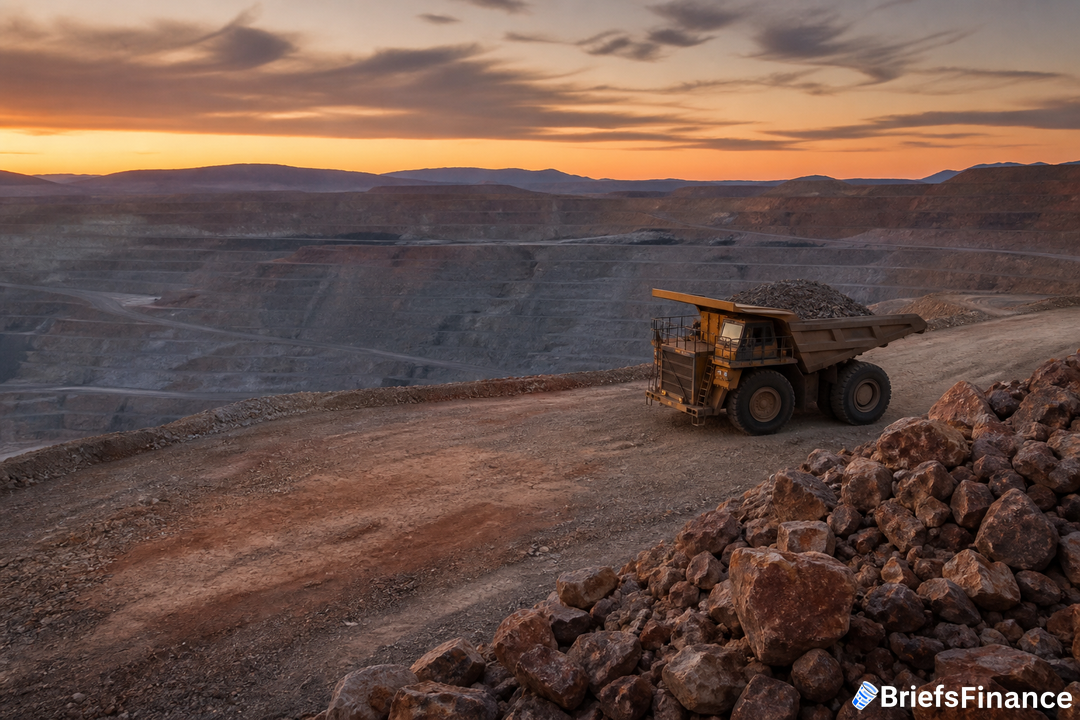
Winter storms that kicked off in late July disrupted production well into August and hit mining hardest, with that sector plunging 10.7% on the month. There were offsets: services increased 0.6% and industry climbed 1.4%. The weather piled on to existing pressure points - the highest unemployment rate since 2021, weak confidence and inflation still above target after a big fuel cost spike earlier this year. One cushion remains copper, Chile's top export, with prices hovering near record levels.
When economies ebb and flow, staying consistent matters, so download the free Always Be Buying E-Book to build wealth
The policy response and what it means for your money
On Monday, President José Antonio Kast rolled out a near-term package directing 1.3 trillion pesos toward investment, public works and employment subsidies to create 100,000 jobs. He said the measures will begin in the coming months and their impact will extend through 2027. Taken together with storm fallout, softer sentiment, elevated joblessness and above-target inflation, the data may stay choppy. For everyday portfolios, that mix explains why Chile headlines can swing, even as firm copper prices provide a partial backstop.
Even amid changing economic headlines, steady investing pays off over time, so get the free Always Be Buying E-Book now