What happened and why the timeline slipped
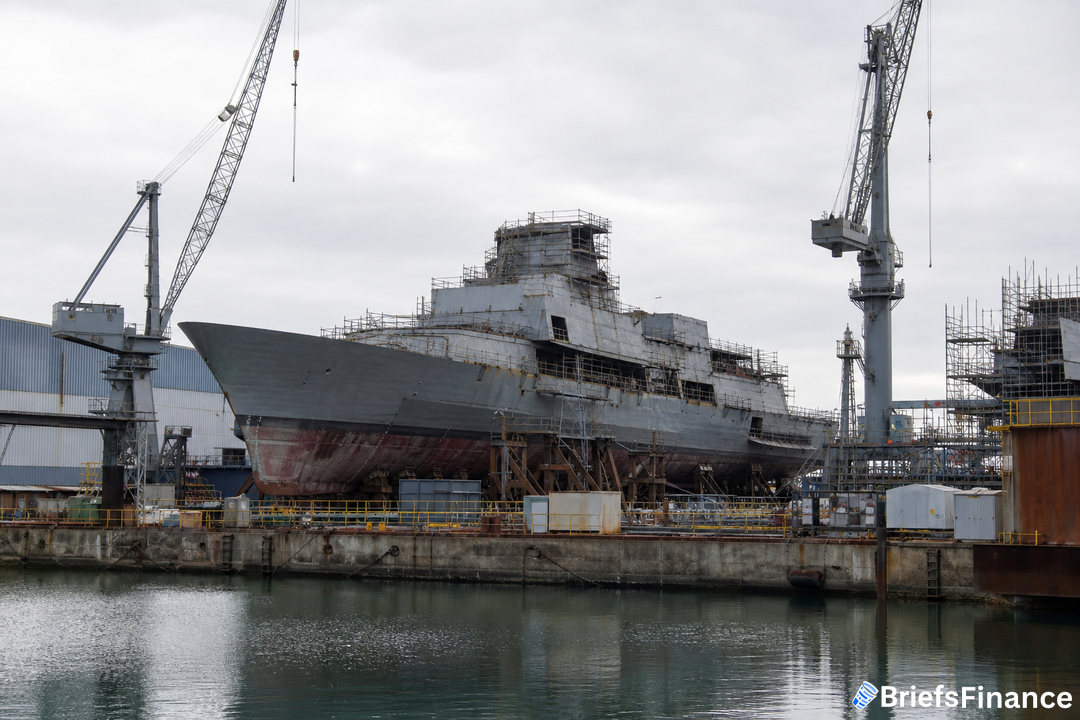
Denmark had been gearing up to choose a builder for new navy frigates this year. Then a snap general election called for March effectively froze the schedule. People familiar with the process say the decision is likely to slip into next year, and some expect the call could come in the spring. Ahead of the vote, Danish lawmakers had already made a fact-finding trip to Babcock in the UK, but planned trips to France and Germany were scrapped.
Who is bidding and what the government is weighing
According to people close to the talks, the UK's Babcock International Group Plc and France's Naval Group SA are the main contenders, with companies from Germany, Spain and South Korea also competing. Copenhagen has not determined how many frigates to buy and has yet to secure the funding. The new ships are meant to replace five existing frigates that have drawn attention for aging gear and concerns about combat readiness.
In June, a new center-left cabinet was installed by Prime Minister Mette Frederiksen, supplanting the earlier coalition that bridged the political center. Jeppe Bruus became defense minister. Responding to parliament last week, Bruus noted that the government is still assembling the analytical groundwork for the acquisition, with evaluations of military needs, timing and costs. He added that Denmark is in talks with "close European allies" about possible strategic cooperation to build the warships, as well as wider defense collaboration. As Bruus put it, "The plan is to establish a decision-making process in the coming period that will lead to the necessary decisions regarding the frigates."
When plans pause, patient investing still matters, so download the free Always Be Buying E-Book and start building wealth
Timing pressures and the wider backdrop
There is another decision in the queue. Denmark still has to choose new Arctic patrol ships, and that choice is slated to be resolved ahead of the frigate purchase, squeezing the timetable. That program remains in the design stage and is facing "significant cost increases" that will require additional funding, Bruus told a parliamentary committee last week.
Industry dynamics matter here too. Denmark is weighing capability, technology maturity and cost against delivery timelines and the broader strategic ties with the supplier's country, while looking at opportunities for domestic industry. In August, Babcock partnered with a Danish industrial consortium, proposing a bigger role for local firms in construction.
The regional context is moving. In May, Sweden selected Naval Group to deliver four new frigates under a €4.3 billion ($5 billion) contract. According to Stockholm, the determining factors were delivery speed and reliability, and it favored a fully developed design already in production to shorten schedules, with ships beginning to arrive in 2030.
What it means for your wallet
For taxpayers, the takeaway is uncertainty on timing and cost while Denmark balances military needs, delivery speed and strategic partnerships with a desire to involve local industry. The Arctic patrol ships add another claim on the budget.
Even amid decision delays, disciplined contributions add up; claim your free Always Be Buying E-Book for a clear investing plan