What investigators have pieced together
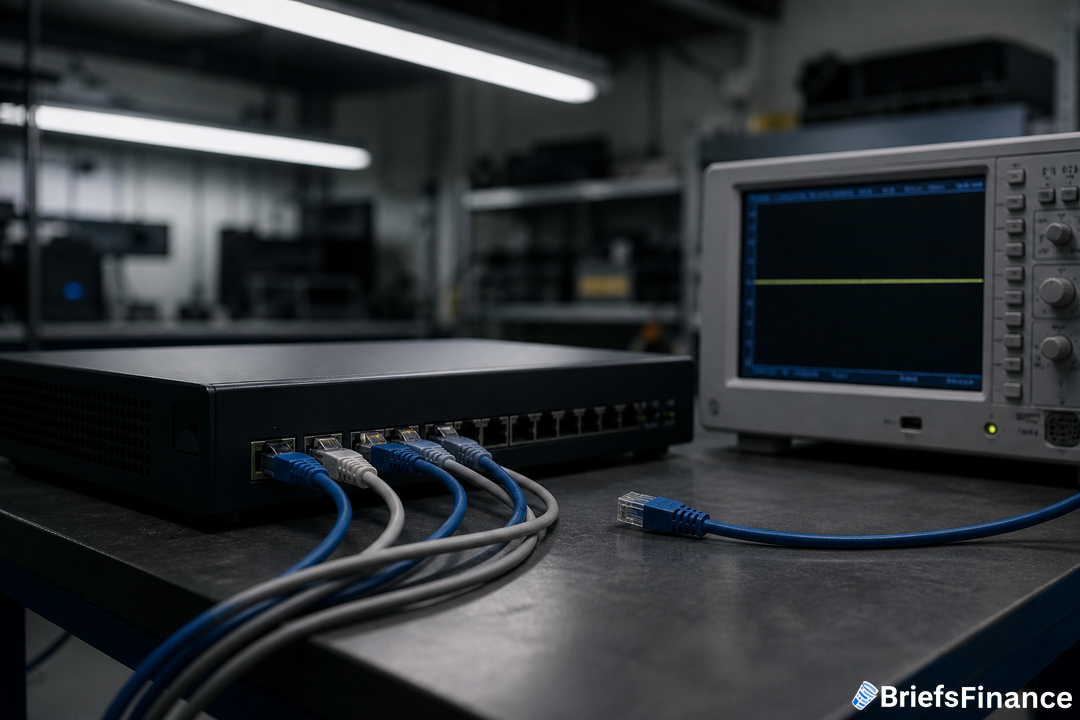
People briefed on the inquiry say engineers and analysts were able to mimic the conditions that overwhelmed parts of the system in a Florida laboratory, a step toward isolating the flaw. They still do not know why the two routers involved failed, and that answer matters because similar equipment underpins communications across the national air transportation network.
Transportation Secretary Sean Duffy and FAA Administrator Bryan Bedford said there is no indication the router failures stemmed from a cyberattack. The freeze on departures ran more than four hours, the longest pause in U.S. takeoffs since 9/11.
The install, the flood of data, and the impact
The chain of events began after L3Harris Technologies - serving as the FAA telecommunications network's lead contractor - put a new router into service at an El Dorado, Arkansas site. Investigators said that within eight minutes of coming online, the device began sending excessive traffic into the FAA network.
According to Duffy, the surge reached about 1,000 attempts to connect within each four-to-five-second span, which undermined radar feeds and aircraft communications.
When technical glitches can affect complex systems, sign up for the free Market Briefs newsletter to stay informed in five minutes.
L3Harris status and the modernization push
In a statement, L3Harris said, "We are supporting the FAA in its investigation to understand the conditions that led to the Nov. 13 ground stop of our nation's air travel," adding, "L3Harris takes the nationwide ground stop and its impact on travelers, airlines and air traffic operations seriously." The company added that, in partnership with other technology providers, it has finished more than 70% of the planned shift of airspace communications from copper wiring to fiber-optic lines.
Since the stoppage, Duffy has raised his funding ask for improvements to the national air traffic system. He first sought 30 billion dollars to create a digital network designed to incorporate artificial intelligence, but he has now requested 50 billion dollars from Congress.
Why it matters for your portfolio
For investors, the key points are straightforward: investigators have reproduced the failure but not yet pinned down the cause, and Transportation Secretary Sean Duffy has raised his modernization ask to 50 billion dollars. Until the FAA determines if similar routers are at risk, the immediate variable is operational stability and the timeline for upgrades.
Because infrastructure issues can touch many parts of the economy, get the free Market Briefs every morning for clear market context in minutes.