What Kalshi wants to list
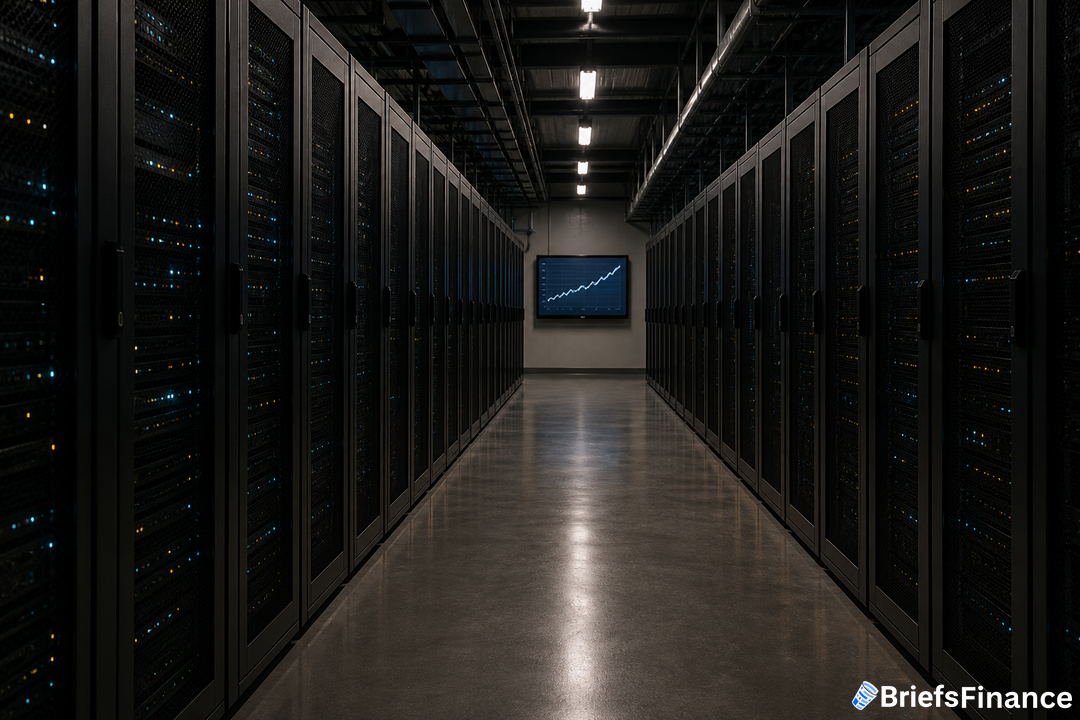
Kalshi is partnering with index provider Compute Desk to build futures linked to the cost of AI computing capacity, according to people familiar with the plan. In plain English, compute is the processing muscle AI builders and labs need to train and operate their models.
Rather than buying the mostly GPU hardware that sits in data centers, firms can instead lease that compute for a fixed period. When rules permit, Kalshi aims to relaunch prediction markets tied to GPU rental prices first. After that would come perpetuals tied to benchmarks from financial infrastructure firm Ornn, and then time-specific futures that reference Compute Desk's own indexes.
The company recently pulled in over $40 million of venture funding, with Lightspeed Venture Partners leading the round. "Compute is a commodity touching every corner of the economy," Bahou said. "We're working with exchange partners like Kalshi to bring compute derivatives to the broadest trading audience possible."
The regulatory race and the rivals
The Commodity Futures Trading Commission postponed a ruling on compute contracts until early next year, which has left the way ahead unclear after Kalshi scrapped its prior compute markets in August. That puts Kalshi in a broader race with CME Group and Intercontinental Exchange to turn the AI compute backbone into something tradable. Industry leaders including CME CEO Terry Duffy and OpenAI President Greg Brockman have already labeled compute the "new oil."
Kalshi, founded in 2018, would be extending into futures, the core franchise of its larger competitors. The firm further intends to list conventional time-dated futures linked to the consumer price index and to the widely followed core inflation gauge. Other US venues seeking to list compute futures include Architect Financial Technologies and Nodal Exchange.
When technology and finance intersect, stay informed with the free Market Briefs newsletter for a quick daily briefing
The big question: are the price gauges ready?
Futures help companies lock in costs ahead of time, which is why markets for oil and power exist. Compute shares a key trait with electricity: if you do not use the capacity when you have it, it is gone. That makes hedging attractive in theory.
But there is a catch. Regulators have repeatedly raised whether today's compute price indexes are sturdy enough to support derivatives. One recurring concern in the CFTC review is that the benchmarks may miss private deals that make up most transactions.
What it means for your portfolio
Kalshi's chief risk officer, Udesh Jha, put the pitch simply: "Like other commodities, compute creates natural demand for futures that allow buyers and sellers to manage their exposure to future prices." If regulators greenlight these contracts, investors could get a new instrument tied to a cost line that is becoming central to AI budgets. The bottom line: watch the CFTC's timetable, the buildout of benchmarks from Ornn and Compute Desk, and whether liquidity forms alongside CME and ICE efforts.
Markets are full of new tools and terms, so sign up for the free Market Briefs newsletter to stay sharp