What the numbers say
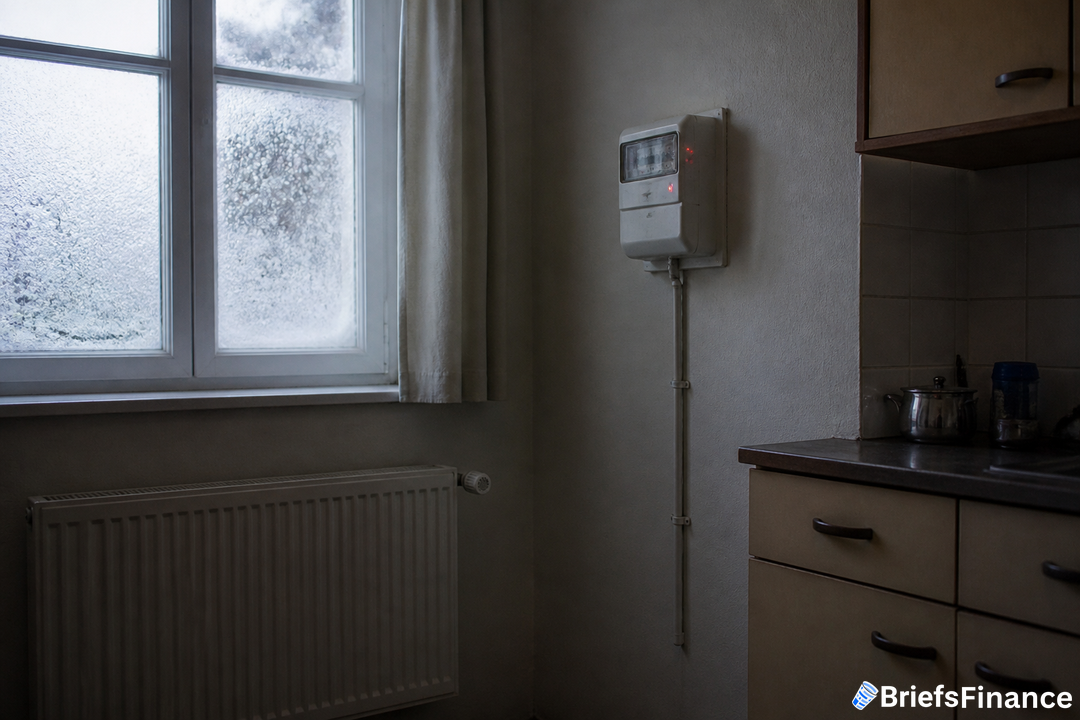
Essential costs are climbing at the fastest pace since the last big cost of living squeeze three years ago. McKinsey's read of official data shows a 5% rise in the year to October, from 4.8% the month before, the sharpest quickening since September 2023 when the impacts of Russia's invasion of Ukraine were still filtering through.
The kicker for budgets: price growth on must-have essentials is currently double the pace seen for other categories, after moving in tandem a year earlier. And this essentials measure has stayed north of 4% for three consecutive months.
Why essentials are rising
McKinsey estimates roughly two percentage points of the latest increase came from fuel and natural gas, both up by double digits as the Iran war drove energy higher. Separate analysis flags that UK energy bills could jump 26%, the biggest rise since 2022, with another steep increase expected in January.
McKinsey's essentials basket covers 87 ONS tracked items - about half of the CPI basket - focused on things households have little room to delay, including housing, heating, clothing, commuting, childcare and tuition fees.
With costs and policy always shifting, get clear, concise context by signing up for the free Market Briefs
Who feels it and what to watch
Lower income households, who spend more of their budget on basics, will take a bigger hit from the Middle East fallout. That poses a challenge for Labour Prime Minister Andy Burnham, who entered office in the summer vowing "breathing space" for struggling families. Yet his £100 ($132) energy payment for millions of households is already being eclipsed by rising bills, with another sharp increase flagged for January.
"Prices are now rising fastest on the things households can't easily cut back on," said Tera Allas, a senior economic adviser at McKinsey & Company. "Households' savings buffers are still 8% above pre-pandemic levels, but that cushion is unevenly spread."
The bottom line for investors
When essentials outpace everything else, discretionary spending often gets squeezed, which can pressure non essential retailers while supporting supermarkets and value players. Energy is doing more of the heavy lifting on inflation, tying utilities, fuel sensitive sectors and rate expectations together.
When economic headlines pile up, make mornings simpler by joining our free Market Briefs newsletter for a quick daily rundown