The scoreboard: bigger totals, richer averages
The world's largest thoroughbred auction did not blink, even with worries that the Gulf conflict might cool demand. Keeneland's September sale finished at $536.7 million, edging past last year's all-time mark by roughly $5 million. Buyers pushed 70 yearlings into the million-dollar-and-up club, compared with 56 in 2023, which itself had ended a 19-year drought for that milestone. The mean price ticked up almost 7% to $187,933.
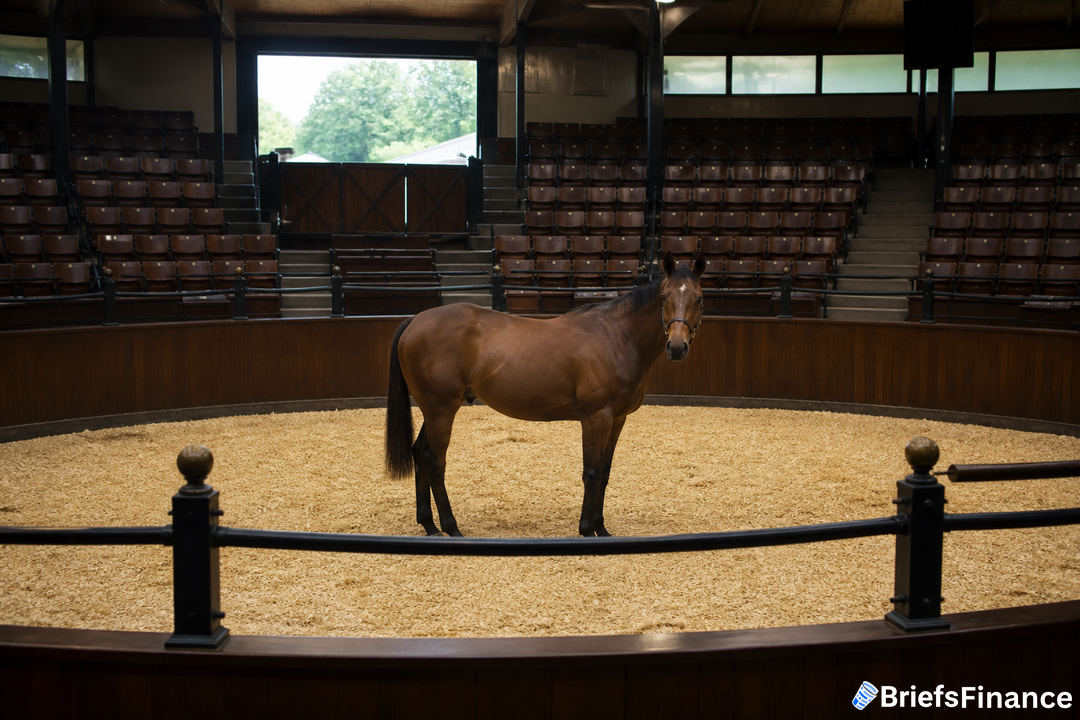
Top of the sheet: a dark bay colt showing white on his lower legs, knocked down for $3.7 million to a consortium that included paper magnate Peter Brant. He is by Into Mischief, the champion sire with three Kentucky Derby winners on his résumé.
Who showed up, and what changed their calculus
Shannon Arvin, Keeneland's president and CEO, said she wondered if tensions in the Gulf would keep big Middle East spenders at home. "We always kind of hold our breath until they get here," she said. "But there wasn't anybody that we're aware of that didn't come because of the conflict." Buyers from ruling families in Dubai and Qatar have become fixtures at the top end, and Arvin said around one in four yearlings this year went to international owners from places including Qatar, Saudi Arabia, the United Arab Emirates, and Libya. She also pointed to richer purses in many racing regions as a tailwind.
Partnerships leaned in as well. The leading buyer was a newly formed team combining four racing partnerships and owners, laying out $16.2 million across 20 horses. Rather than dampen demand, group buying is doing the opposite, Arvin said: "What we've actually seen is that these partnerships, because people are joined up, they tend to spend more." She added that teaming up helps spread risk and keeps the fun factor high: "They love the camaraderie of buying with others, of buying with their friends."
When choices feel overwhelming, a steady plan matters, so get the free Always Be Buying E-Book
Tax fuel behind the bids
Horse breeder and accountant Len Green credited recent tax changes from the "one big beautiful bill" as a key force behind the surge. He noted that last year's September sale, held two months after OBBBA became law, saw sales jump 24% from the prior year. OBBBA locked in permanent 100% bonus depreciation, letting businesses immediately expense qualified assets.
While most people associate that perk with categories like commercial property and private aircraft, it also applies to racehorses, allowing companies to deduct the full cost in year one. Green added that owners can further stretch the benefit by expensing related items like tack and barns or by using an LLC.
Green was blunt about the appeal: "If you happen to be successful and you wanted to have something that gives you a tax deduction and gives you publicity, taking pictures and being in newspapers, et cetera, that kind of thing, the horse business is a pretty damn good investment to make." He also noted that gains from the stock market and from private-equity exits have created significant fortunes, yet for many entrepreneurs a sports franchise is still too expensive, making racehorse ownership a more realistic way in.
Why this matters for your money
This sale was a real-time stress test of luxury appetite and tax incentives working together. Deep-pocketed buyers kept spending, international participation held up despite geopolitical worries, and partnerships amplified firepower rather than capping it. If you track where affluent investors deploy capital, racehorses are a reminder that clear tax rules, better prize money, and social buying can pull big dollars into niche assets. You do not need to be in the paddock to see the pattern: when policy and payouts line up, money moves.
In times of big buying decisions, disciplined investing wins over time, so download the free Always Be Buying E-Book