What Hochul asked and why
Gov. Kathy Hochul sent a letter Wednesday urging US Commerce Secretary Howard Lutnick and US Trade Representative Ambassador Jamieson Greer to remove tariffs tied to buying transit vehicles. She warned that the White House's broad tariffs could tack on $1 billion in potential charges, pressuring the Metropolitan Transportation Authority to pare back critical upgrades. "This tax on transit is forcing the agency to make difficult decisions about upcoming investments that will impact service for millions of daily riders," she wrote.
The scale of the MTA's needs
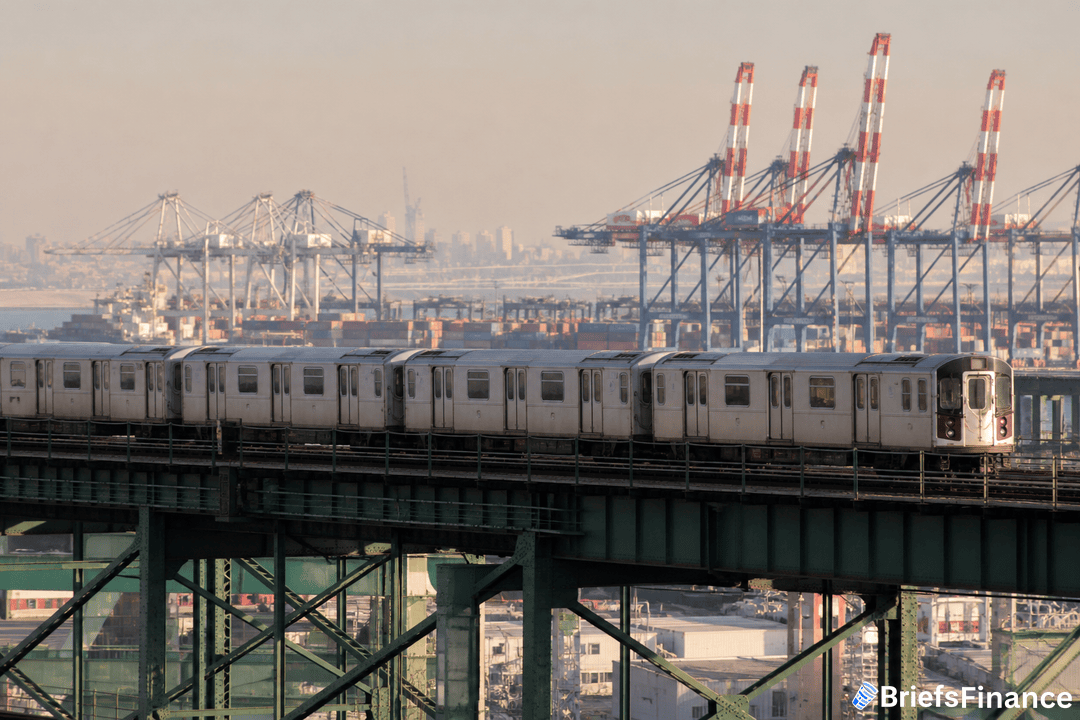
The state-run MTA, which manages New York City's subway, bus and commuter rail networks, anticipates committing $23 billion in the next few years to overhaul aging equipment. The scope includes around 9,000 subway railcars and commuter coaches, plus approximately 5,800 buses. Nearly 2,000 subway cars from the 1980s require overhauls as breakdowns rise; about 40% of the bus fleet is slated to be replaced over the next several years, and Long Island Rail Road coaches and locomotives are nearing the end of their useful lives.
Tariffs, costs, and the ripple effects
At an agency board meeting, Jessie Lazarus, who leads the MTA's new rolling stock program, said material costs per railcar have climbed by nearly 28% over the past 19 months. Lazarus noted that carving out these components would align with waivers already extended to the automotive sector and to agricultural heavy equipment. "If it is not contained, it will force us to make difficult decisions about upcoming investments," Lazarus said. "And it's going to impact the service we deliver for riders and of course the American manufacturing jobs sustained by our rolling stock investment."
For a portion of new procurements, as much as 30% of the parts are sourced internationally. An MTA presentation indicated the new tariffs are pushing up the cost of imported items, including wheels and axles, structural components for the car bodies, electronics and controls, and seat frames.
When choices affect long-term plans, steady investing can help you stay on track, so get the free Always Be Buying E-Book
The politics and what it means for riders' wallets
The MTA expects a tough audience in Washington. The White House has criticized the way mass-transit agencies address crime on their systems and has questioned programs to award contracts to minority-owned businesses. President Donald Trump has also moved to withhold federal money from marquee projects, among them the expansion of New York City's Second Avenue subway and the building of a new passenger rail tunnel beneath the Hudson River for Amtrak and New Jersey Transit. MTA CEO Janno Lieber said that earlier this month, US transit officials sat down in Washington with US Secretary Sean Duffy to discuss federal funding and tariffs.
Bottom line for your money: pricier parts mean the same public dollars buy less rolling stock, which can feed into slower upgrades and thinner job creation tied to those orders. That hits service quality on one end and manufacturing on the other, and it shows how policy shifts can quietly move the numbers that affect daily commutes.
Even as budgets and projects change, a simple habit builds wealth over time, download the free Always Be Buying E-Book