What the data shows
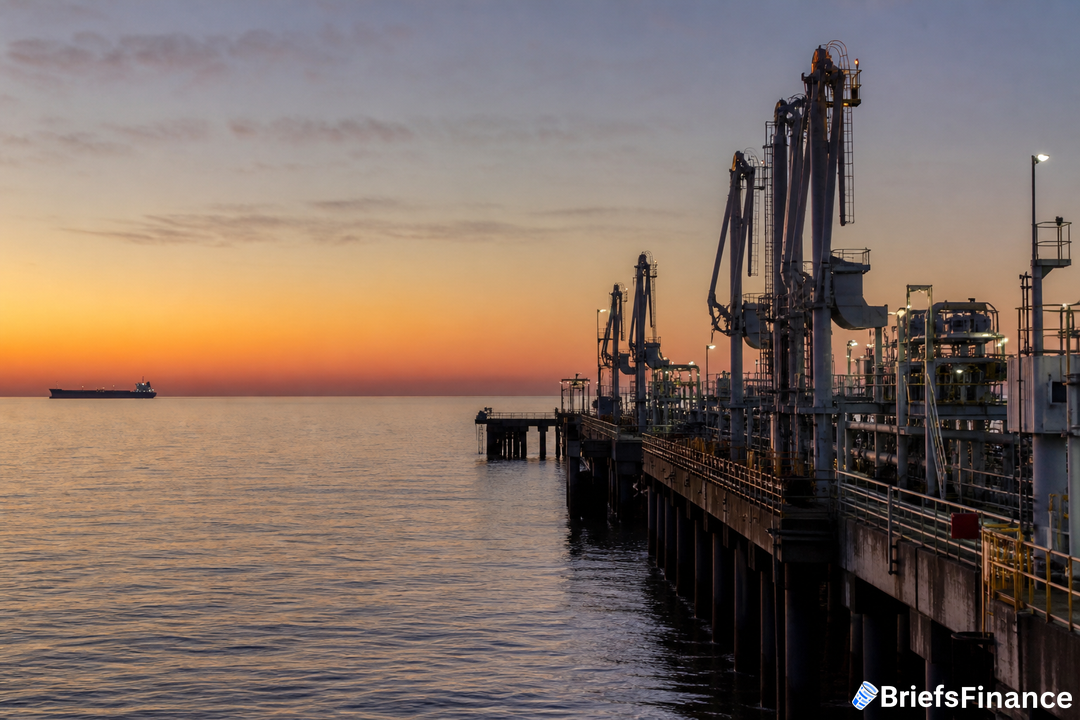
Preliminary satellite-based tracking compiled by Bloomberg indicates Iran loaded no crude in September, down from about 250,000 barrels per day in August. Third party trackers Kpler and Vortexa reported the same zero figure for the month. Bloomberg notes the figures are early reads based on satellite imagery.
Why it matters now
The slump is another sign that a US naval blockade is squeezing Iran's access to energy customers. The pullback suggests Tehran is less ready or less able to probe the blockade around its Persian Gulf ports, and it complicates efforts to keep oil moving to China, a vital source of cash while Washington works to isolate Iran's economy.
Workarounds and their limits
Despite the halt in new loadings, Iran still supplied some Chinese refineries by drawing from floating storage located to the east of Singapore in September. Without fresh barrels, those reserves likely run low. One caveat on the data: Iranian tankers often reappear on tracking only when entering the Strait of Malacca or approaching the Suez Canal, roughly two weeks after departing Iranian waters.
Even when headlines spotlight disruptions, steady contributions pay off over time, download the free Always Be Buying E-Book
Stalled talks and the calendar
Talks between Washington and Tehran aimed at ending the war, which has entered its eighth month, have stalled over matters such as Tehran's bid for control of the Strait of Hormuz. According to Bloomberg earlier this week, Iranian officials doubt a deal will be reached before the US midterm elections in November.
When stories highlight supply shifts, a steady investing plan still helps, claim your free Always Be Buying E-Book and download the E-Book