Why big-ticket shelves could look thin
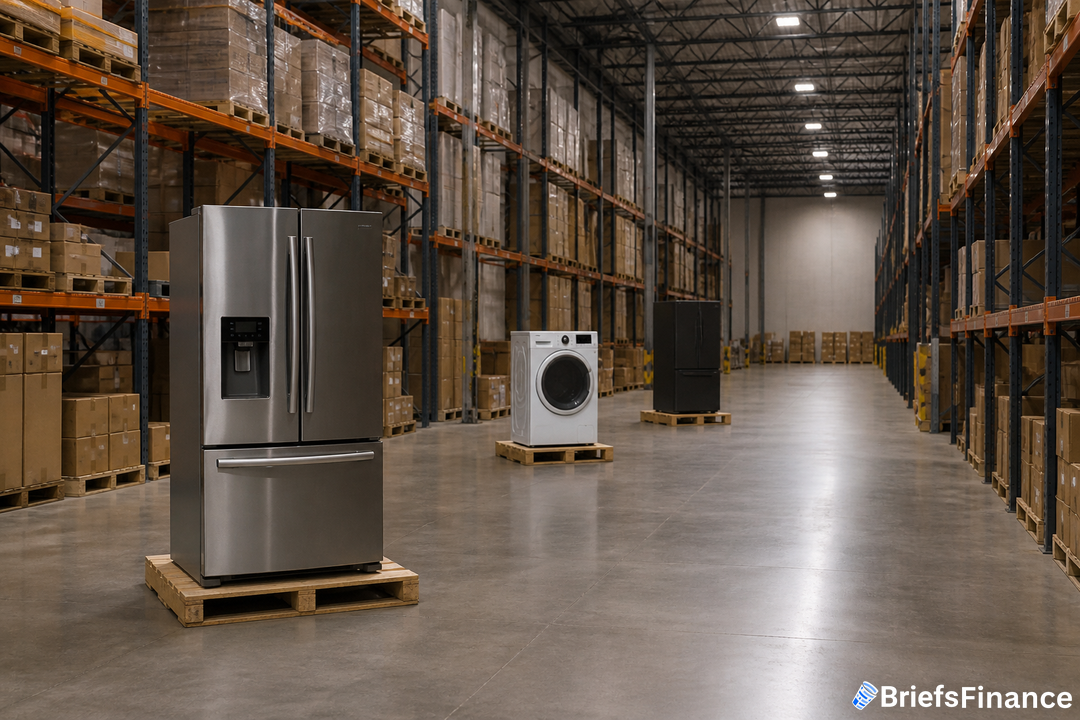
Retailers are preparing leaner stock for space heavy, pricey goods this season, said Deborah Weinswig of Coresight Research. "We are going to have some of the lowest inventory levels on some of these big-ticket items we have seen in history," she said, citing three cost buckets that all moved higher: long haul freight, inventory carrying, and the trucking that gets product into stores. "We're talking three different pieces right here and each is up significantly year on year."
She said the companies she advises are keeping tighter levels of big-screen TVs, grills, and large appliances like washers and dryers, as well as other products that either eat up space or tie up a lot of money to hold.
Carrying costs move with financing conditions. Inventory holding costs - the total bill to store unsold goods, from capital and service to storage and risk - track closely with the 10 year Treasury note. That yield exceeded 5% in October and is still sitting at multiyear highs in November.
Freight got pricier, and capacity is tight
Transport is the other squeeze. Evercore ISI reports general trucking rates were up more than 47% year over year in the week of Nov. 2. Fuel surcharges rose 64% from a year ago as diesel prices reached unprecedented levels, partly attributed to the U.S.-Israel war with Iran. Because carriers tack on fuel surcharges to offset diesel, higher pump prices flow straight into shipper invoices.
Industry experts also point to a federal crackdown on non-citizen truck drivers and non U.S. based drivers operating in the U.S. The resulting capacity crunch has pushed rates up and is expected to keep pressure on pricing.
That leaves retailers weighing whether to stock up now or wait for rates to ease and risk missing the right product mix. After early holiday sales in October, many are holding back and watching demand. UPS CEO Carol Tomé said on Oct. 27 that it is "just starting to get peak season forecasts from our customers."
Derek Leathers, CEO of Werner Enterprises, said higher rates and a steeper cost of capital are making retailers more careful. "When rates are higher and the cost of capital is more expensive, you are going to have a much more intense focus on not having excess inventory," he said. Even so, retailers are paying to secure capacity.
Supply chain shifts remind investors to seek smarter tools for understanding risks. We're hosting our first ever investor livestream on 11/17 to show you how to use ChatGPT and Claude to invest like a pro, hosted by Briefs Finance CEO Jaspreet Singh. Save your seat.
"The bigger concern right now is wanting to make sure they have their capacity locked in. There is way more dialogue around the assurance of having a truck or whatever mode that needs to be secured," he said. "Not saying they are price insensitive, because they are certainly always concerned about price. But you can't sell it if it's not on the shelf."
Last mile: more gig later in peak, more drones for small items
ShipMatrix expects 2.4 billion packages to move during the 2026 holiday peak, up 4% from last year. That step up will likely push retailers to use more gig delivery later in the season, since flexible couriers help handle last minute surges without hiring and training permanent teams.
Expect more markdowns as the holiday approaches. Bill Catania, CEO of OneRail, which powers same day delivery for companies like FedEx and Lowe's, said, "You're going to see more discount and price promotions as we get closer to the holiday to liquidate inventory, so they're not having to transfer it or dispose of it or position it some other way." He also noted, "Gig economy delivery is great. You know, it fulfills fast, but there's better unit economics out there."
Experts also see more drones handling smaller items. A 2024 PwC study projected the cost of drone delivery would "drop by more than 70% over the next 10 years, which will not only match traditional last-mile delivery costs, but surpass them and create an inflection point for the industry." Amit Regev, CEO of Flytrex, noted the firm is currently engaged in discussions with retailers about holiday deliveries. "The expectation now is becoming so much more instant," he said. Flytrex already serves Walmart as well as eateries such as Little Caesars and Papa John's.
Retailers are testing, too. In September, Lowe's said it would launch drone deliveries working with DoorDash and Wing, Alphabet's drone unit. Earlier this year, Amazon said it plans to provide drone deliveries to almost 500 U.S. cities and towns by year end.
The bottom line for investors
Bain & Company expects 2026 holiday sales to top $1 trillion, with inflation lifting growth and spending staying healthy. Against that demand, retailers face general trucking rates up more than 47% in the week of Nov. 2, fuel surcharges 64% higher, a 10 year Treasury yield that topped 5% in October and remains elevated, and tighter trucking capacity tied to federal enforcement actions.
Put together, that points to leaner big-ticket inventories, more promotions as the holiday nears, heavier use of gig networks late in peak, and growing drone pilots where items are small and speed matters. Watch who locks in capacity, contains carrying costs, and turns faster delivery into sell through.
When market pressures reshape availability, thoughtful analysis can create an investing advantage. On 11/17, our CEO Jaspreet Singh goes live for our first ever investor livestream on how to use ChatGPT and Claude to invest like a pro. Register to join him.