What Ireland put on the table
Dublin aims to inject momentum into EU climate negotiations by opening the door to international carbon credits earlier than planned. It proposes a 2031 to 2035 pilot so companies in the Emissions Trading System can use high-integrity imported credits from projects that cut emissions outside the bloc to cover part of their obligations.
That would move up the timetable in the European Commission's July proposal, which would not allow high-quality international credits until 2036. Ireland's text also sketches six possible ranges for credit purchases, each tied to a specific yearly reduction in the ETS emissions cap.
How the numbers and politics connect
Those six ranges map to annual cap cuts from 1.7% to 2.7%. The 1.7% rate mirrors the Commission's original idea. The document adds that if fewer credits are expected to be bought, the cap would have to fall faster to stay aligned with the trajectory.
Member states are split. Sweden and the Netherlands want stricter rules and a faster clean-energy shift, while Italy, Poland and Greece highlight the costs of leaving fossil fuels. Each side says it can block the other's demands. Ambassadors representing EU countries in Brussels are slated to discuss the Irish plan on Wednesday, and Ireland wants governments to settle on a common stance at an environment ministers' meeting on Dec. 11. A spokesperson for the Irish presidency said, "With this compromise text, we are moving the negotiations forward as we look to advance a balanced package for all member states."
The European Parliament is separately weighing amendments to the July proposal. Once lawmakers and governments finalize their positions, they can start talks on the final law.
Savvy investors look for new tools that can sharpen judgment and reduce guesswork. We're hosting our first ever investor livestream on 11/17 to show you how to use ChatGPT and Claude to invest like a pro, hosted by Briefs Finance CEO Jaspreet Singh. Save your seat.
Why the ETS rules matter and what else changed
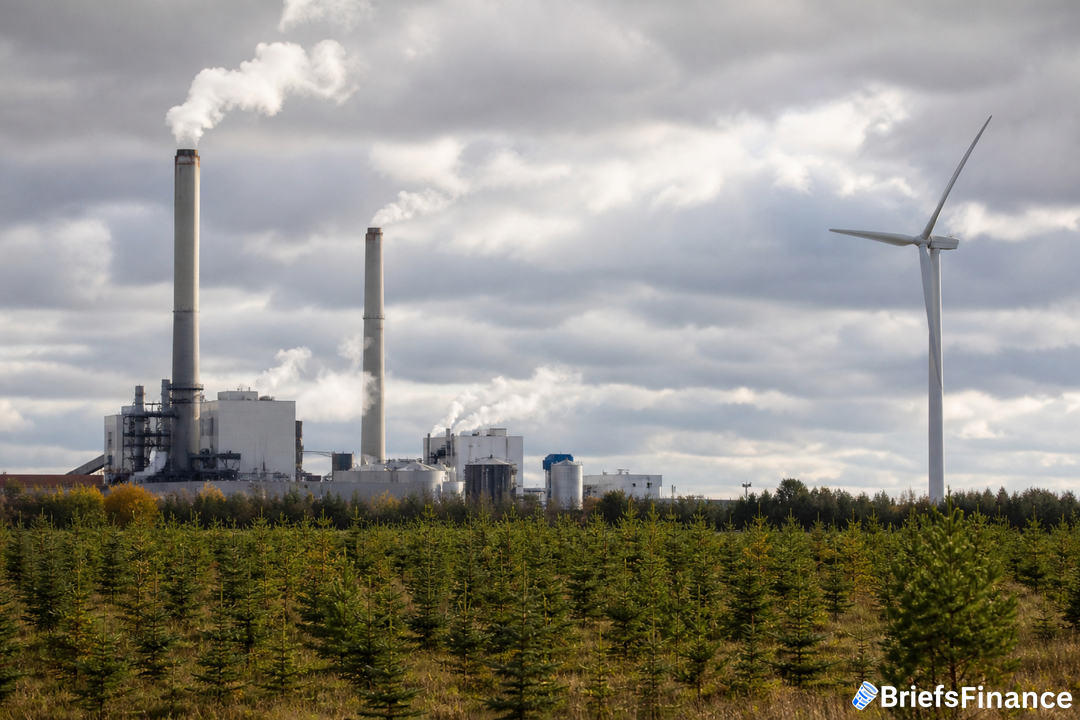
Created in 2005, the ETS progressively ratchets down the pollution cap applied to roughly 10,000 factories and plants, such as steel, cement and fertilizer sites. It underpins the EU aim of a 90% reduction in greenhouse gases from 1990 levels by 2040, as well as achieving climate neutrality by 2050. In 2025, the EU economy's net greenhouse-gas output stood roughly 39% beneath its 1990 baseline.
Pressure to ease carbon costs has grown after the Middle East conflict pushed up energy prices, intensifying worries about competition with China and the US. The revamp aims to reduce the transition's cost while still spurring companies to invest in emissions cuts.
To bridge differences, Ireland proposes changing how free allowances are set. Ireland suggests recalibrating the benchmarks to reflect the top-performing 10% of output, not the 10% of best facilities, and to refresh them each year instead of once every five years. The proposal would also relax certain eligibility rules for no-cost allowances, for example waiving specific obligations for a subset of the smallest sites. Separately, the Commission's July blueprint foresees providing firms with 80% of their complimentary allowances in yearly tranches after their abatement investment plans get the green light, with the last 20% issued only after the projects are completed and independently confirmed to yield significant emissions cuts.
What investors should watch
Allowing international credits earlier would influence how quickly the ETS cap must contract from 2036 onward. Watch for signals from Wednesday's ambassadors' discussion and the Dec. 11 ministers' meeting on whether governments coalesce around Ireland's compromise, and track Parliament's amendment process, since formal negotiations begin only after both sides lock in positions.
The bottom line: these choices reset the carbon cost curve for covered sectors and shape how much flexibility companies get through imported credits and freer permit rules. That flows through to compliance costs, capital spending and risk pricing across roughly 10,000 ETS installations.
Learning how to use smarter tools can quietly change long term investment outcomes. On 11/17, our CEO Jaspreet Singh goes live for our first ever investor livestream on how to use ChatGPT and Claude to invest like a pro. Register to join him.