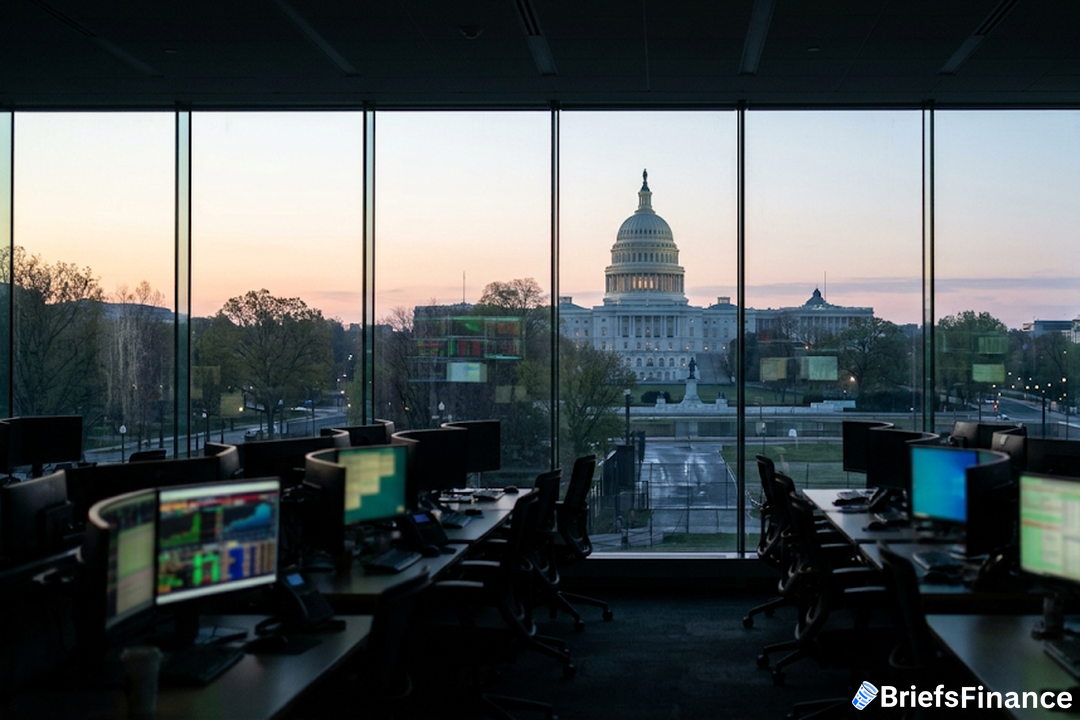
The government is about to shift where it spends money, because Democrats just won the midterm elections. For investors that matters more than any debate on cable news.
The biggest spender in our economy isn't you, Nvidia, or Tesla. It's the US government, and when its priorities change, money moves.
It already started: the day after the midterms the stock market had one of its best days of 2026, but AI stocks got hit hard, and so did Tesla and SpaceX. Investors were betting that Democrats won't be as friendly to AI and data centers.
Briefs Finance CEO Jaspreet Singh isn't interested in the politics, since plenty of people cover that. He's interested in the finances, because investing where the money is moving, not where it was, is how investors find opportunities.
He also recommends researching every investment yourself, with AI tools as a starting point, because investing carries real risk and you will lose money at some point. He's showing how he and his analysts use ChatGPT and Claude to research stocks in a free livestream on November 17.
Why Divided Government Matters More to Investors Than the Politics
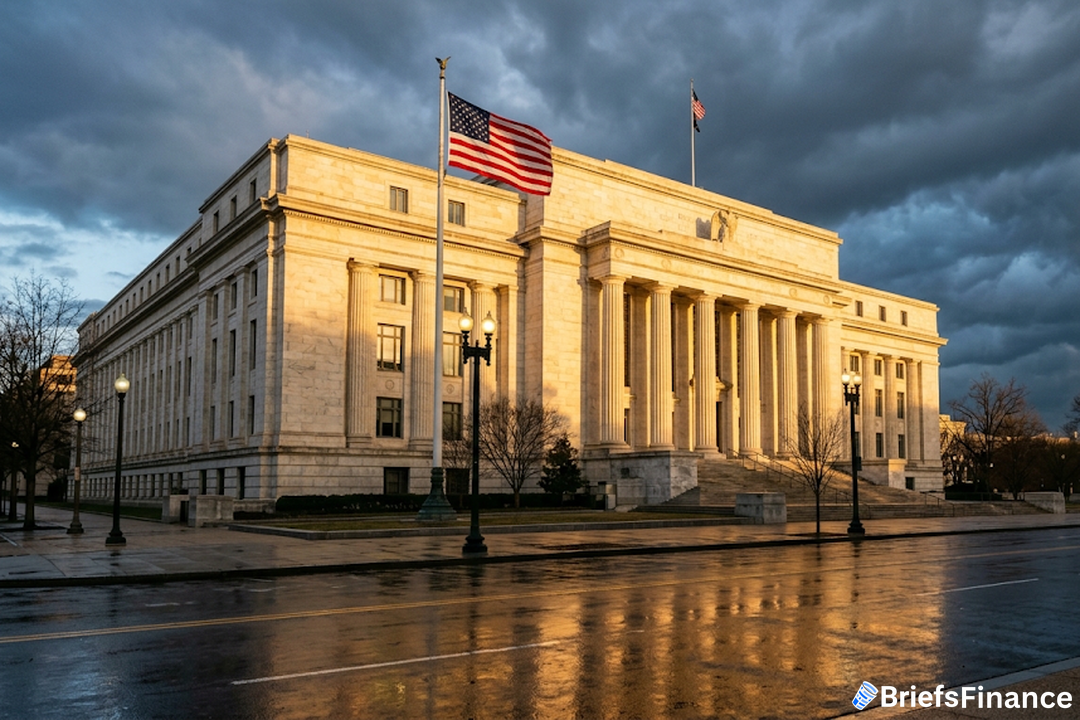
Democrats now control Congress while President Trump, a Republican, sits in the White House. That combination usually means gridlock, where bills stall because the two sides don't agree.
If the President wants a new tax bill or spending bill, the Democratic majority can refuse to pass it. Not everything runs through Congress, but enough does to change how money flows through the economy.
Investors started repositioning within days. Four trades moved first:
| Trade | What happened | Why investors think it moved |
|---|---|---|
| Clean energy | Stocks rose | Democrats generally favor clean energy and may extend expiring tax credits |
| Healthcare | Stocks rose | Democrats generally favor programs that send tax dollars to hospitals, providers, and drug companies |
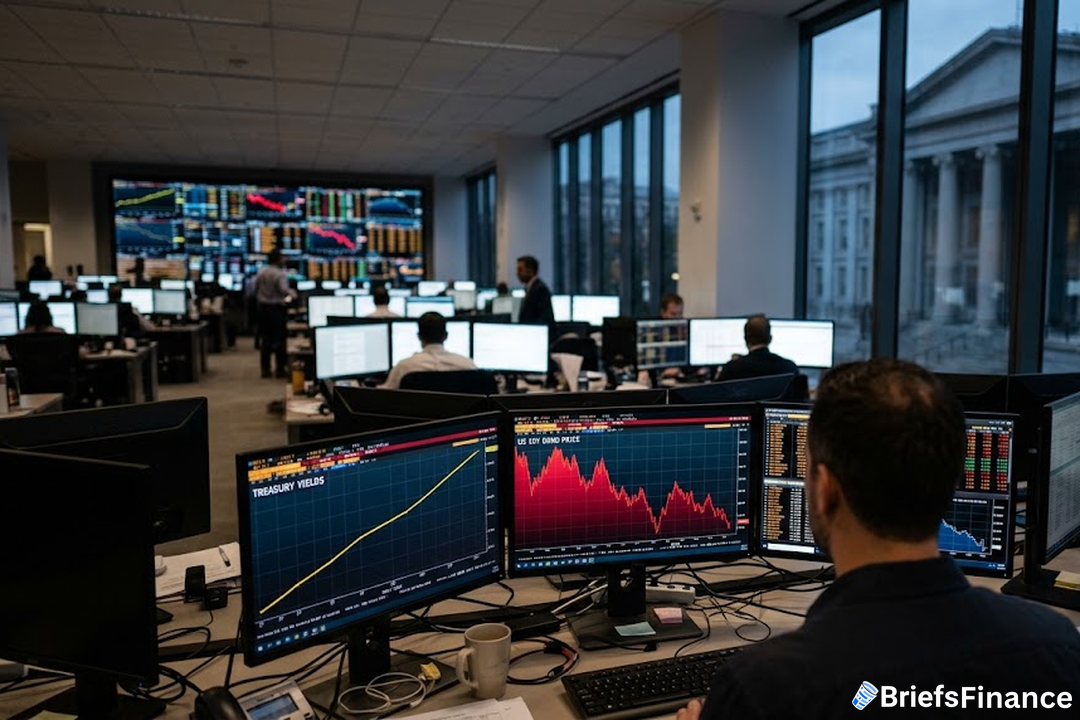
| Treasuries | Yields fell as buyers stepped in | Gridlock could slow government spending and money printing, which helps the dollar |
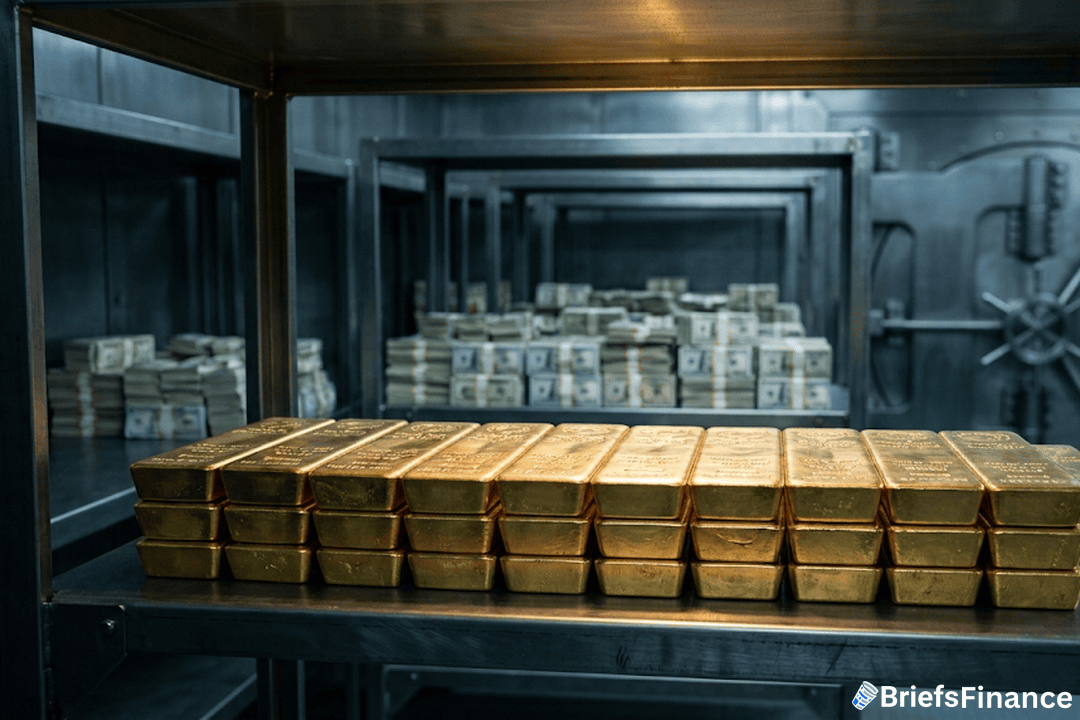
| Gold, silver, and bitcoin | Gold and silver jumped; bitcoin fell, then rose | Some investors want protection if the dollar weakens or a recession hits |
Clean Energy Stocks Rose on Hopes for New Tax Credits
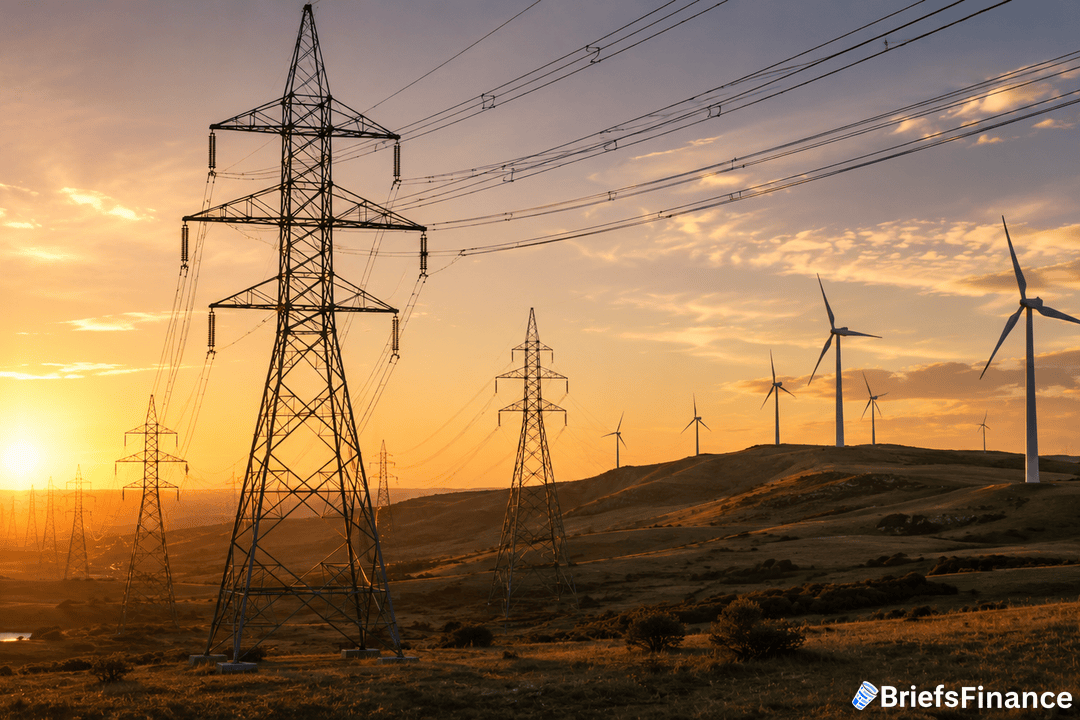
Democrats generally favor clean energy while Republicans generally prefer fossil fuels. Those are generalizations, but they're the ones investors trade on.
Solar, wind, and the rest aren't profitable on their own. The companies survive on tax credits from the US government, and several clean energy bills are set to expire in the coming months and years.
Investors are betting a Democratic Congress passes new subsidies and tax proposals that keep those companies growing, so the stocks went up.
Healthcare Stocks Rose on Expected Spending
Democrats generally favor affordable and universal healthcare programs, which means tax dollars flowing into those programs.
If taxes fund healthcare, whether for you or somebody else, more money lands with hospitals, providers, and drug companies. Healthcare stocks benefited.
Treasuries Rose as Yields Fell
A bond is a loan, and a Treasury is a loan to the US government. After the midterms, Treasury yields, the interest rate the government pays, fell because people bought more bonds.
The reasoning starts with the national debt. The government has been spending money it doesn't have for years, running up more than $40 trillion in debt and spending trillions a year.
When the government spends money it doesn't have, money gets printed. Printing dilutes the dollar, which causes inflation, and investors who worry about inflation don't want to hold treasuries for years because the interest won't protect them.
Gridlock changes the math. If President Trump can't get spending bills through a Democratic Congress, spending may slow, not because he wants it to but because he can't get approval.
Less spending means less printing, which is good for the dollar. If the dollar is safer, treasuries look like a safe investment again, and that's one reason more dollars flowed into them.
Gold, Silver, and Bitcoin: The Debasement Trade
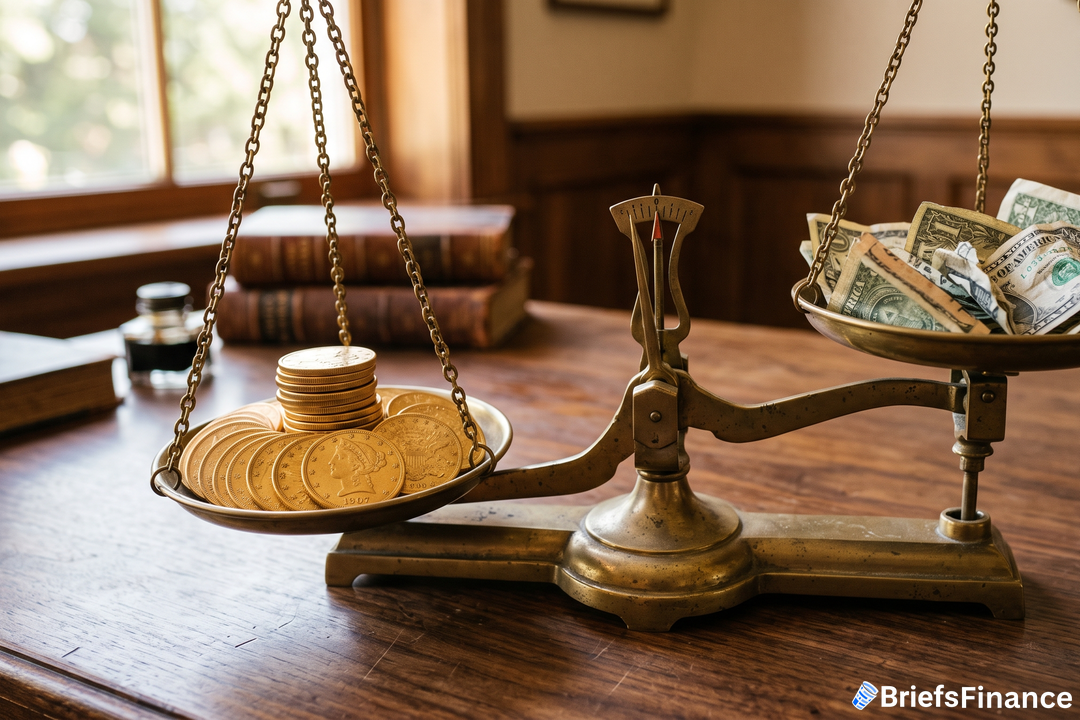
Gold, silver, and bitcoin are known as debasement trades. Investors buy them when they believe the dollar is going to get hurt, which is the opposite of the treasuries logic.
So one camp thinks the dollar strengthens and buys treasuries, while another camp thinks it weakens and buys gold. The other explanation is recession worries: gridlock means less government spending, less stimulus, and a higher chance of a recession, so investors want protection.
Bitcoin went down first, then up. The first move fits the idea that President Trump, who wants the US to be the crypto capital of the world, has less power to push crypto-friendly policy through Congress.
The rebound is harder to explain, because bitcoin usually trades like tech stocks, not like gold, and the big AI names had just been hit. One theory is that investors decided a Democratic Congress could be favorable for bitcoin.
Nobody knows exactly why anyone buys anything. These are inferences, and reading them is a big part of figuring out where money is moving.
Divided Government Is Good for Inflation and Bad for Growth
Inflation comes from the word inflate, and what gets inflated is the money supply. The number one cause of inflation is government spending.
Government spending generally needs approval from Congress. If President Trump wants to spend billions on new AI infrastructure or find new ways to cut taxes, a Democratic Congress can say no.
Many investors believe gridlock will make spending harder, which is good for controlling inflation. It's also bad for the economy.
Our economy runs on spending. Walk into Chipotle and buy a burrito, and it's good for Chipotle and its employees.
Add extra meat and guac, then put it all on your Amex after emptying your bank account, and you're keeping the company growing. That's how spending turns into growth.
The biggest spender is the government. When it spends on defense, your tax dollars go to private companies building missiles, planes, and artillery, and those companies pay employees who spend the money again.
Government spending is inflationary, and it also boosts the economy. A big piece of recent growth has leaned on it, so the investors hoping gridlock slows deficit spending are the same investors worried it slows growth.
Tariffs Stay, Because Congress Doesn't Control Them
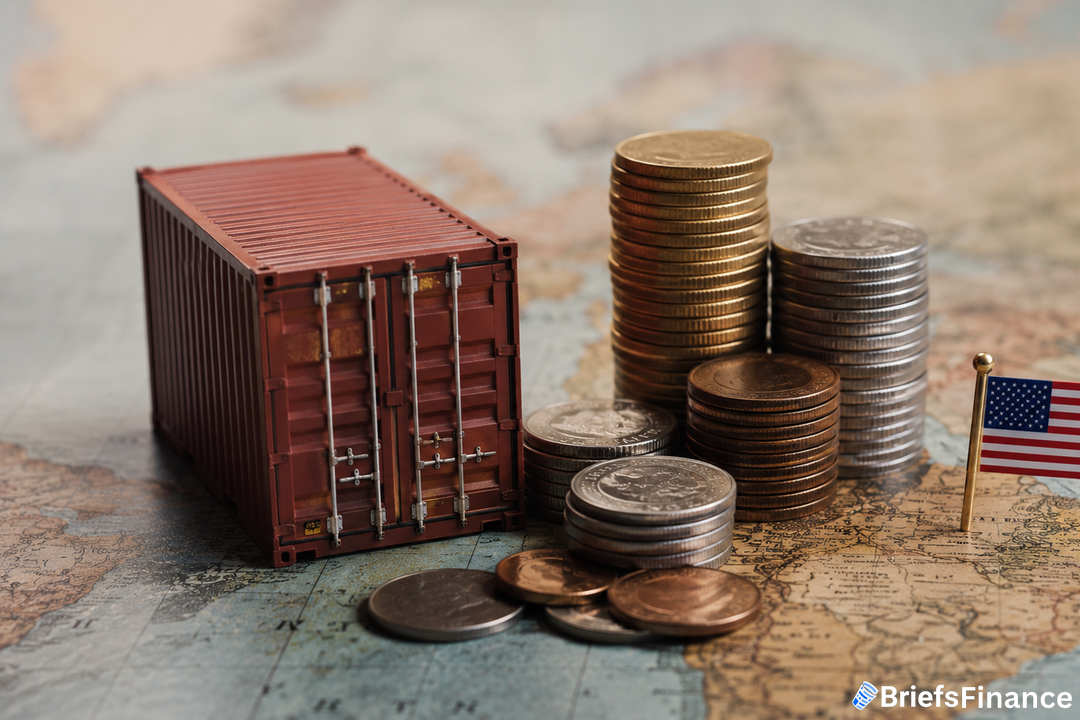
The trade war doesn't change. Tariffs are a power of the President, not Congress, so they aren't going away.
Can AI Survive a Divided Government?
In general, Democrats have favored fewer data centers and less AI investment, while Republicans have favored more. President Trump has been a big advocate of money going into AI so the US can compete with and beat China.
Data center approvals often run through local governments, and a lot of local representatives just flipped to or stayed Democrat. Fewer approvals means less money flowing into AI, and that's one reason AI stocks got hit.
Some of that could be a knee-jerk reaction. Wall Street has a saying, buy the rumor and sell the news, and nobody knows the real impact yet because AI isn't going away.
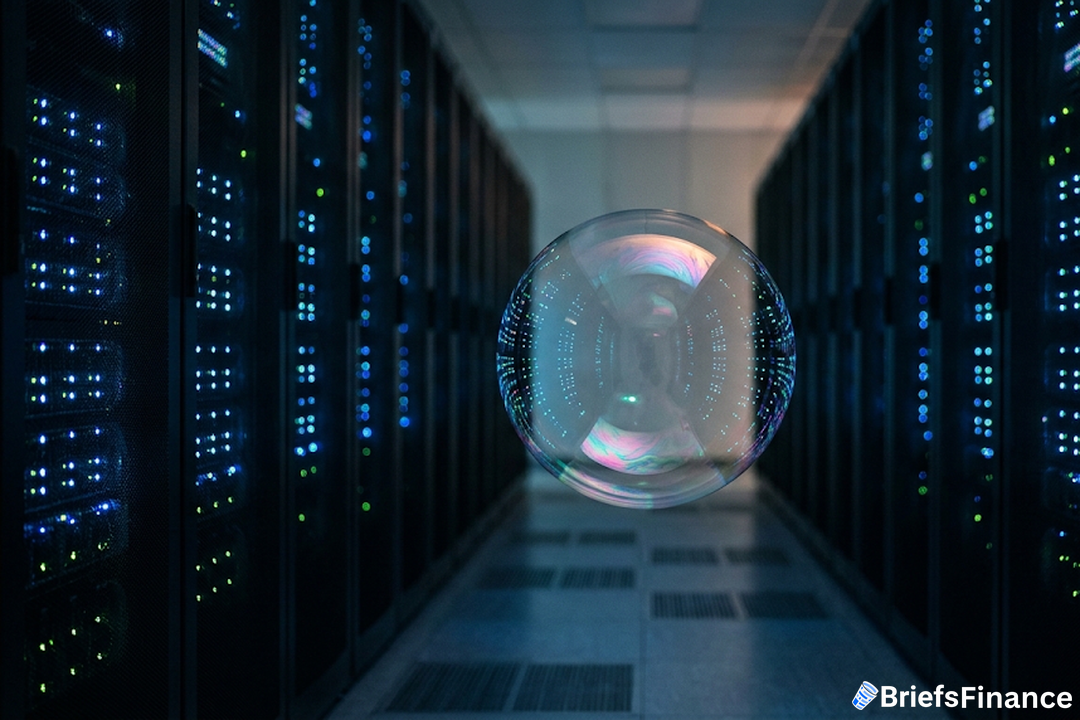
The concern is how much the economy leans on it. Our economy has been propped up by AI for more than a year, and if AI spending slows, the bubble could burst.
Look at the S&P 500. Before the midterms, about four out of five stocks in the index were in correction territory, meaning down 10% or more.
The majority of the market is down, and one in five stocks is up. The big AI companies have propped up the index so much that it feels like the whole market and the whole economy are booming.
That raises the real question. Does money now flow back into the rest of the economy, or does an AI slowdown burst the bubble?
History offers one data point. In the 12 months after each of the last 19 midterm elections, the stock market went up, not down.
That doesn't guarantee a 20th. But the news is in the business of selling news, not telling you how to invest, and long-term investors shouldn't make knee-jerk moves off headlines.
Where Money Could Move Next: 5 Market Shifts Under a Divided Government
With the regime in Congress changing, Jaspreet sees opportunity shifting in five directions.
1. Clean Energy and Renewables
Democrats generally favor more clean energy and less fracking. New subsidies and tax credits are the thing to watch, because without them these companies struggle to turn a profit.
2. Healthcare
Democrats generally favor universal healthcare programs and raising taxes to fund them. Those tax dollars flow to hospitals, providers, and pharmaceutical companies.
3. Short-Term Treasuries
A gridlocked Congress could mean a slowdown in inflation while interest rates stay higher. One way to earn on that is short-term treasuries.
The ETF SGOV gives exposure to short-term treasuries and pays somewhere between 3.5% and 4% a year in interest, though the exact number moves. You don't pay state or local taxes on that interest, and while it isn't FDIC insured, it's backed by the US government.
The idea is to collect interest while rates stay high and, hopefully, inflation gets under control. Hopefully is the key word.
4. Precious Metals
If government spending slows, concerns about the economy rise. When investors get nervous they tend to move money into precious metals like gold.
5. AI Infrastructure
Nobody knows whether Democrats approve or deny AI infrastructure, and the sector will probably go through an emotional stretch either way. AI itself is here to stay, and the economy will be far more AI-forward five years from now than it is today.
ChatGPT hasn't even existed for five years, and Claude for less than that. Prices will be volatile, and not every AI stock is cheap or every opportunity good, but the industry will be significantly bigger in five years.
The Investor Playbook for a Divided Government
Jaspreet's base strategy is what he calls ABB, always be buying. Buy the S&P 500 every week, two weeks, or month, and keep doing it no matter who controls Congress.
For investors who need more than that, he points to two ways to accelerate.
The first is what he calls POOP: panic leads to overselling, which leads to opportunity, which leads to profit. Every crash in the table below became a buying opportunity for investors who had cash ready.
| Crash | Drop | What came next |
|---|---|---|
| 2025 tariff announcement | Markets crashed | New record highs days later |
| 2022 | Stocks fell 20% | New record highs months later |
| 2020 | Stocks fell 34% | New record highs months later |
| 2008 | Stocks fell 50% | New record highs a year and change later |
| 2000 dot-com bust | Nasdaq fell 75% to 78% | New record highs years later |
Nobody knows when the next crash comes, so it's not a strategy on its own. It's a reason to keep money aside in a POOP fund for the next panic.
The second is market shifts, which is what this whole article is about. Identify where money is moving, and invest there, not where it was and not where the news tells you.
Finding those shifts takes research, and using AI to do it faster is exactly what Jaspreet covers in his free livestream on November 17. Live attendees also get the ten prompts his analysts use.
Emotions are the enemy of profits. For most investors these changes just create a lot of emotion, but for the financially savvy, they create opportunity.