What changed
The EU concluded an investigation that found certain cold-rolled flat steel products from five economies were sold into the bloc at dumped prices, and imposed new duties in response. What stands out is that the assessment incorporated how Chinese industrial overcapacity affects third-country markets, a precedent the bloc cast as meaningful for broader trade defense.
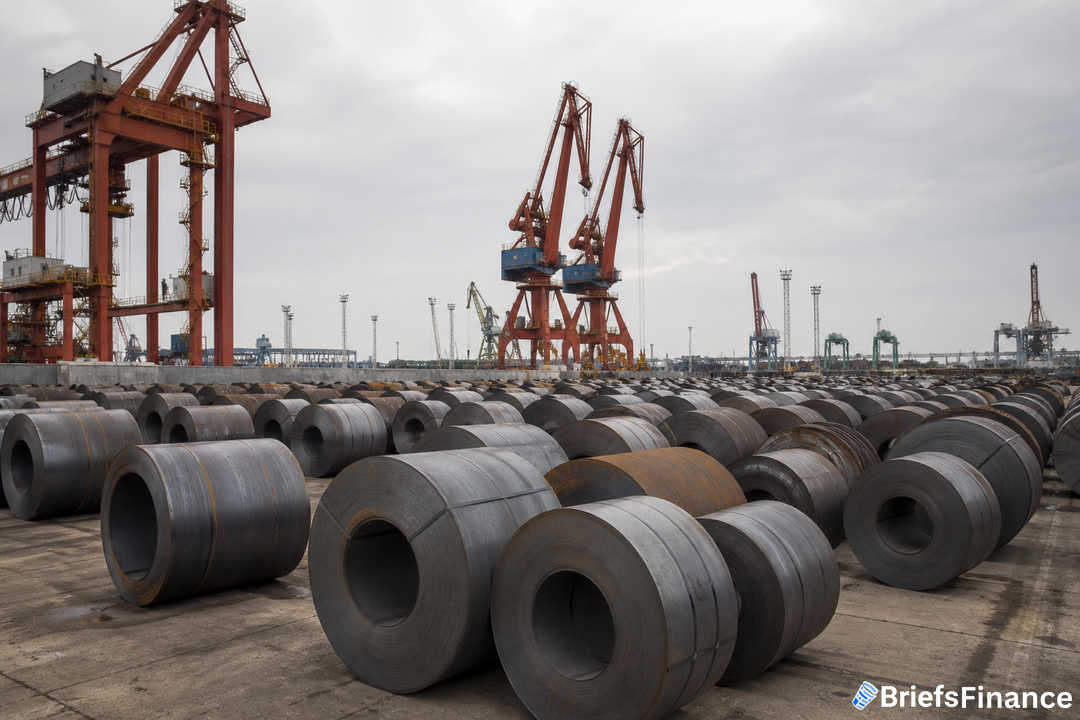
This is a sizeable corner of industry. Cold-rolled flat steel, a staple input across manufacturing, underpins an EU market worth about €23 billion.
Taiwan's special case
Taiwan's file marked a first. The Commission determined that excess Chinese capacity increased shipments of cold-rolled steel into Taiwan, which lowered prices and hurt the profitability of Taiwanese producers. Brussels then applied corrective steps when setting the normal value used to judge dumping for Taiwan.
The Commission said it "considers this investigation to be of systemic importance for trade defence, beyond the products and industry sectors it concerns," and underscored the need for "credible, evidence-based and innovative solutions to address evolving trade-distorting practices."
Market shifts like trade policy changes remind investors to seek new informational advantages. We're hosting our first ever investor livestream on 11/17 to show you how to use ChatGPT and Claude to invest like a pro, hosted by Briefs Finance CEO Jaspreet Singh. Save your seat.
The rates and the rationale
The duty schedule is set at 9.5% for India, 27.9% for Japan, 20.7 to 27% for Taiwan, 3 to 7.8% for Turkey, and 16% for Vietnam. These measures followed findings that the products entered the EU at dumped prices.
Brussels is also broadening its toolkit. According to Brussels, China's approach - combining state-led industry strategy and heavy backing for factories - has led to overproduction that contributed to a €360 billion EU trade gap last year, and could set a fresh record this year. In parallel, the Commission is drafting tools to reduce reliance on Chinese inputs and strengthen the single market, and, following an understanding with Beijing to limit exports of Chinese hybrid cars, it has started examining areas such as chemicals and machinery to see if further protective measures are warranted.
What it means for your portfolio
Trade defense is becoming more assertive, and steel is unlikely to be the last test case. Watch for new EU instruments and sector reviews that can shift input costs and supply chains, especially in manufacturing-heavy holdings. The bottom line: policy risk tied to Chinese overcapacity is moving from rhetoric to rules, and that can ripple through margins, pricing power and valuations in Europe-focused names.
Using smarter tools can help investors find clarity when global forces reshape opportunities. On 11/17, our CEO Jaspreet Singh goes live for our first ever investor livestream on how to use ChatGPT and Claude to invest like a pro. Register to join him.