What Aço Brasil said in São Paulo
At the association's annual gathering in São Paulo, Aço Brasil head Marco Polo De Mello Lopes pressed for stronger protections, calling the challenge "structural," not cyclical. "This isn't a temporary or cyclical problem - it's structural," he said, urging more government action to shore up the local market.
The numbers behind the warning
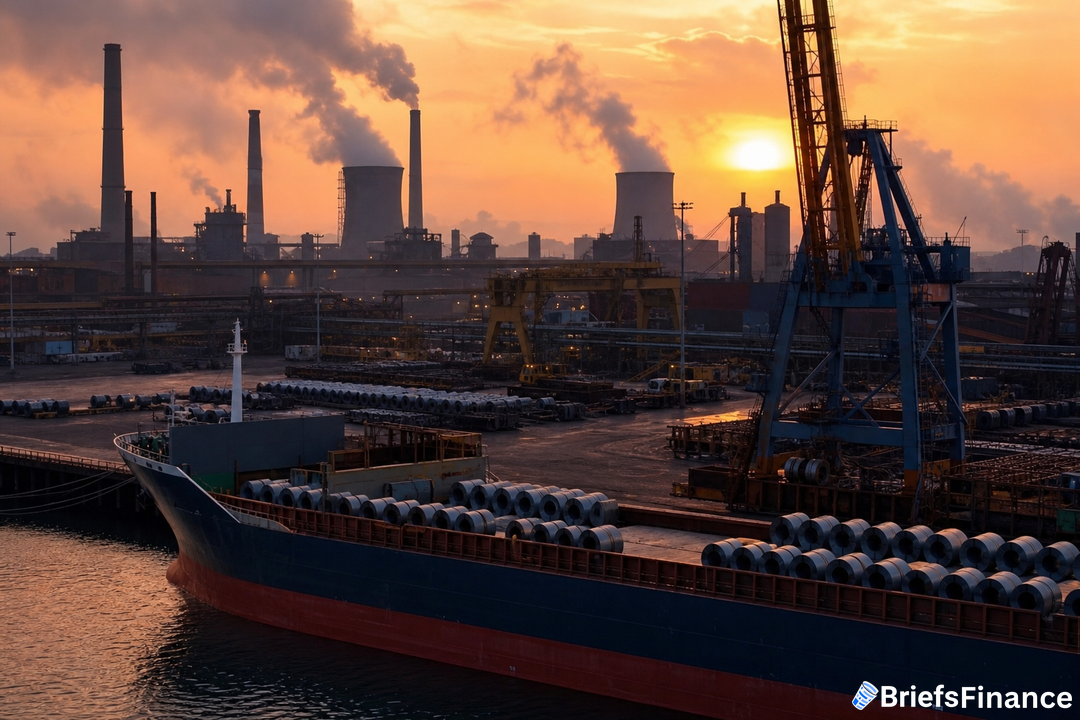
Aço Brasil forecasts that rolled steel inflows will shrink by 800,000 tons, reaching 4.9 million tons in 2026. Even then, the figure would exceed Brazil's 2000-2019 yearly average by more than twofold, a reminder that global overcapacity and lower priced Chinese material continue to weigh on domestic producers. The group also projects Brazil will close the year with a $156.8 billion deficit in trade of manufactured goods.
How global barriers are reshaping the flow
Trade defenses have multiplied across the steel world as China's slower economy has unleashed more exports. Tariffs in the US and the European Union risk diverting excess supply toward big emerging markets such as Brazil. Shipments originating from Vietnam, Malaysia, Indonesia, and Egypt have been climbing, and Aço Brasil notes some of those countries have drawn Chinese steel investments. Jorge Oliveira, who leads ArcelorMittal SA's Brazil unit, said those rising flows could blunt the expected import decline by year end.
Politics, policy and what could change next
With only days left before Brazil's initial presidential voting round, Lopes argued that the incoming administration must adopt faster, more potent trade-defense measures amid a global shift toward shielding domestic industries. "The industry's agenda doesn't change depending on who is in government," he said. "The top priority is to reclaim the domestic market, a large share of which has been taken by unfairly traded imports." Gerdau chairman André Gerdau Johanpetter called for "a long-term state policy" to enable investment and competitiveness. Industry leaders from steel, autos and chemicals added that Brazil's safeguards remain looser than those in many other economies.
When sectors face shifting trade pressures, steady investing over time compounds advantage, download the free Always Be Buying E-Book
China now makes up 50% of Brazil's steel imports, a decline from 64% during the year through August, while arrivals from Vietnam have surged more than fivefold. Imports are set to cover 18.5% of Brazilian consumption this year, compared with 22% in 2025. For your wallet, this is the kind of backdrop that can ripple into prices for cars, appliances and construction - and into the fortunes of companies that make them.
Across changing industry landscapes, disciplined saving and reinvestment matter most, claim the free Always Be Buying E-Book