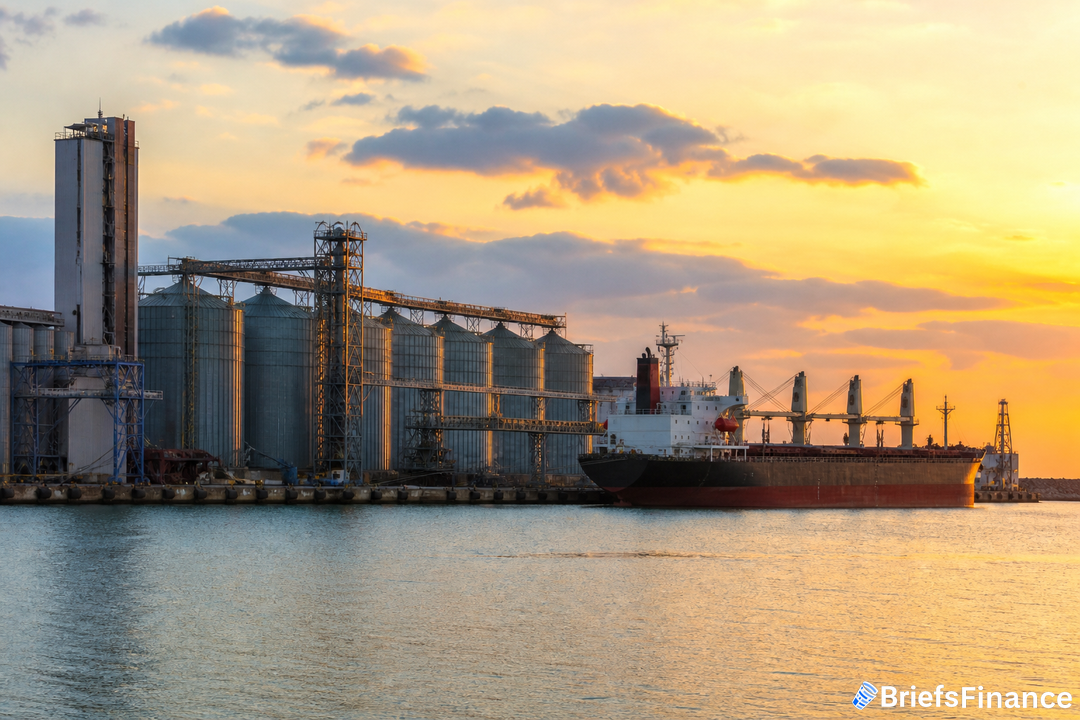
Why negotiators are gathering
With food costs stretching household budgets, Turkey and the United Nations are rebooting a diplomatic track they kicked off in September to mirror the corridor that moved grain in 2022 before collapsing a year later. The next round is slated for early October and will be held in Russia and Ukraine, with mediators from the Center for Humanitarian Dialogue, a Swiss non-profit, facilitating.
Turkey and the U.N. have credibility here: they also guided the 2022 arrangement that kept grain, fertilizer and food moving out of Ukrainian ports. That narrow truce was one of the rare pauses that stuck for a time during Russia's more than four years of full-scale war on Ukraine. Since it fell apart, countries have struggled to line up any fresh ceasefire plan.
Who showed up and what they discussed
The initial closed-door session convened alongside the U.N. General Assembly toward the end of September. Representatives from the US, Europe, India and Egypt - joined by Turkish officials - attended, with Egypt particularly strained by grain turmoil.
According to a document reviewed by Bloomberg, participants weighed a "narrowly defined and reciprocal arrangement" that would secure free commercial navigation and shield ports and energy infrastructure. The coming talks will elevate the concerns of countries squeezed by rising food prices, with the bet that states further from the battlefield can help move the effort forward. September saw a modest dip in wheat prices as well.
When headlines touch global trade and food security, staying steady matters; get the free Always Be Buying E-Book to learn consistent investing
The obstacles and the market backdrop
Port strikes have intensified on both sides of the Black Sea, and those attacks helped lift wheat futures to a three year peak in August. At the same time, adverse weather is curbing output elsewhere, a strong El Niño is underway, and global food prices are still hovering near multi year highs. The Bloomberg Agriculture Spot Index just notched its strongest quarter since 2022.
Still, the path to a deal looks rough. President Vladimir Putin rejected ideas for a reciprocal pause on Black Sea strikes, arguing at the Valdai Discussion Club on Thursday that proposals to stop attacks on Russian refineries while Moscow pledges not to hit Ukrainian vessels are unbalanced because Russian diesel remains under sanctions. In September, Foreign Minister Sergei Lavrov called a return to the 2022 Black Sea deal "completely unacceptable and unrealistic," alleging Ukraine misused it.
What this means for your portfolio
Together, Russia and Ukraine account for over one-quarter of the world's wheat, and the recent volatility underscores how exposed the market is to Black Sea security and diplomacy. Earlier in September, Turkish President Recep Tayyip Erdogan said he had received a "positive" reply from Ukrainian leader Volodymyr Zelenskyy regarding restoring a grain corridor. Even so, Ukrainian Agriculture Minister Taras Vysotskyi, speaking to Bloomberg News, said he finds no positive indications that shipments will restart in the coming months. The Turkish government's spokesperson did not respond to a request for comment.
As attention shifts between international developments and markets, focus on long-term discipline and download our free Always Be Buying E-Book now