One Market, Two Speeds
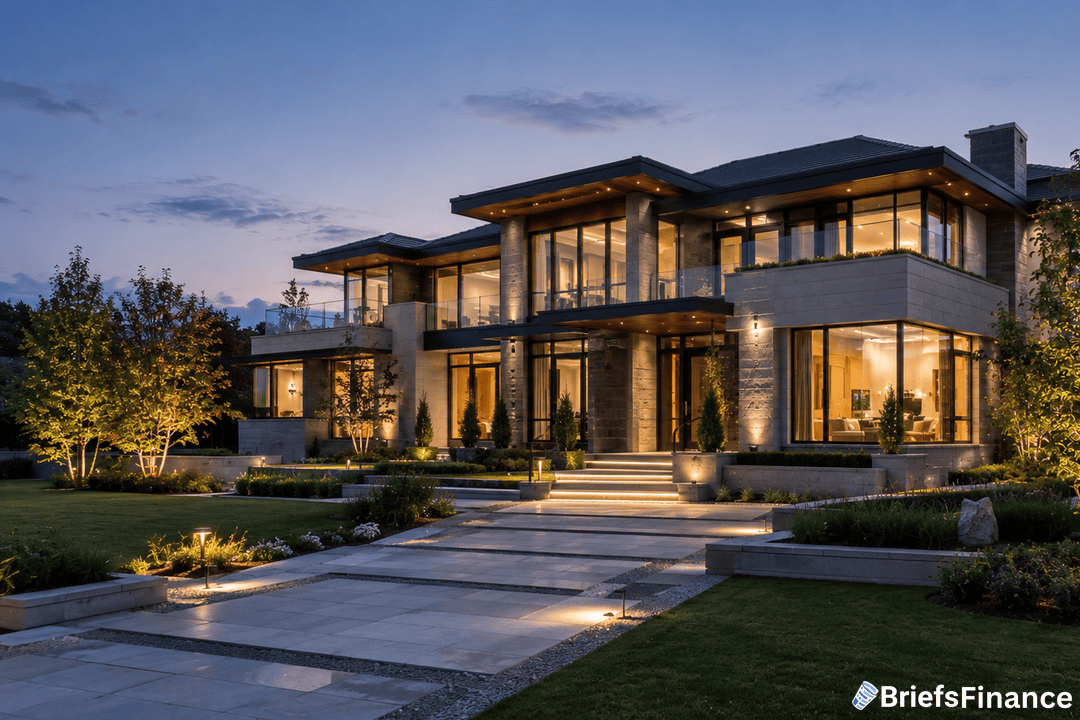
The housing market is telling two different stories at once, and the gap between them keeps growing. Starter homes are sitting around longer while luxury homes keep selling.
Zillow puts starter homes in the bottom one-third of properties by value.
"Starter-home buyers have more choices, more price cuts and less competition," says Kara Ng. "But the unfortunate reason for that advantage is that starter-home buyers are either unwilling or unable to purchase a home."
The pattern mirrors a K-shaped economy. Stock-market gains are helping the upper end of the housing market, while higher prices for day-to-day purchases make it harder for first-time buyers to save.
The overall market is still expensive. The National Association of Realtors said the median existing-home price hit a record $440,600 in June. That record was 49.2% above June 2020. The latest yearly increase is 1.8%, a much slower pace than the pandemic-era jumps.
Home Prices and the Rate Shock
Mortgage rates are the reason the entry level is stuck. Mortgage News Daily put the average 30-year fixed mortgage rate at 6.75% on Wednesday. Rates were below 6% in late February, before the Iran War and inflation worries pushed them upward.
Get the free Always Be Buying eBook and learn the simple system for building wealth on any income
A $202,000 mortgage is a realistic example.
Property taxes and insurance, often included in a monthly payment, have climbed a lot since 2019, according to Cotality. That extra pressure is hardest on entry-level buyers.
What Lower Rates Would Change
Daryl Fairweather says today's rates are the main obstacle for many buyers. "Buyers are also up against these nearly 7% mortgage rates currently, and can't afford to buy at these high rates and high prices."
The math shows what a rate break would do. "Hypothetically, if mortgage rates were to drop to, say, 5%, that would make buying a home much more affordable," she says. "You would see instantaneously an increase in sales and more people buying and then more people selling."
Fairweather is not counting on that. "But I think it's pretty far-fetched at this point to rely on that happening," she says. "Interest rates are looking like they will be higher for longer."
Higher rates are less of a hurdle for luxury buyers. Fairweather says those buyers can sell stock or liquidate assets, and many do not need a mortgage in the first place.
What It Means for Buyers
If you are trying to buy a first home, the split shows up in two ways at once. The monthly payment is high, and saving for a down payment is harder because prices for other things keep rising.
"Even with subdued rent growth, inflation is eating into other parts of household budgets, making it harder to save for a down payment," Ng says.
A new federal law is aimed at the long-term problem. The 21st Century ROAD to Housing Act, enacted in July with bipartisan support, includes measures to encourage building, widen financing options, and limit big institutional investors. Experts say the benefits may take time.
The country is still short on housing. Realtor.com counted the shortfall at more than 4 million homes as of 2025.
That leaves many buyers with a hard tradeoff. Fairweather describes it as the choice between a place with the best job opportunities and a place where homeownership is easier at a younger age, even if lifetime earnings may be lower.
Download the free Always Be Buying eBook and start putting your money to work today