How SEBI's AI patrol actually works
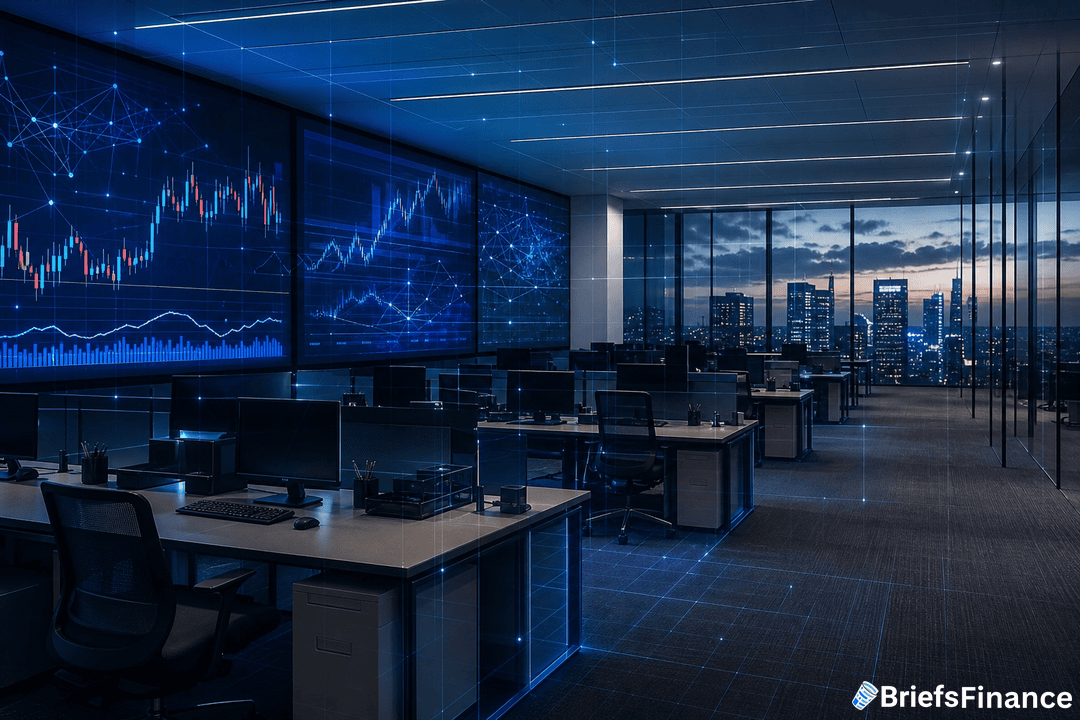
Picture a packed floor in Mumbai's financial core where dozens of specialists are fixed on dashboards while machine learning tools sort torrents of feeds. The systems mine stock volumes, derivatives positions and algorithmic identifiers for outliers. They also sweep through social media tips and stock promotions and line those up against real trades to spot pump-and-dump tells.
One example: last month SEBI took action toward a JPMorgan Chase & Co. subsidiary within six days of its monitors flagging suspicious activity linked to a newly introduced closing auction setup, said a person familiar with the matter. An alert from AI and machine learning tools was one element behind the case. Subsequently, the watchdog removed the trading restriction once it had seized the purported illicit profits, and the probe is still under way.
"AI is a great equalizer," said Pankit Desai, who has 25 years in AI-based cyber security and is co-founder at Mumbai-based Sequretek Pvt. "Today, they don't have to wait for years to carry out an investigation. A genuine case can be built in a matter of a few hours and a few days at the worst." A SEBI spokesperson did not provide a comment in response to a request.
Jane Street's case and the AI ramp-up
The Jane Street episode added urgency. In July 2025, SEBI alleged the quantitative trading firm manipulated the Nifty Bank Index, imposed a temporary market ban, and told it to give back billions of rupees said to be illicit gains. Jane Street denied the allegations, and the ban was lifted after the firm placed what authorities called illicit profits on deposit.
This is all happening as markets reshape around close to $4 trillion of derivatives by notional value, sophisticated high-speed players and an avalanche of social chatter and misinformation. According to people familiar with SEBI's operations, the focus of its efforts has shifted more toward machine learning, yielding sharper alerts for anomalous trading and trimming portions of IPO reviews by up to 70%. A chart titled Indian Regulator Sees Sharp Growth in New Investigations credits SEBI as the source.
Protecting your savings often means learning how systems watch and shape markets. Join Briefs Finance CEO Jaspreet Singh on September 29th for a FREE live investor workshop, How to Profit From A Dollar That's Losing its Value, where he shows how we're spotting investment opportunities as the dollar falls. Save your spot.
The build, the bottlenecks and the human backstop
SEBI started putting money into a local data center at its Mumbai head office in 2019, brought it online in 2021, and in that year also rolled out its in-house AI tool, Sudarshan, whose name refers to a Hindu god's weapon. Early iterations had trouble with large language models that produced hallucinations, said a separate person familiar with the confidential project.
The program still faces hurdles. Data poisoning is a core risk because training data drawn from external sources, including bot-laced social content, can warp model behavior. Compute is tight too, with in-house systems constrained by limited access to graphics processors amid a global supply squeeze.
"AI needs to be seen as an assistant, not as an autonomous regulator," said JP Mishra, the founder of Deep Algorithms Solutions - a startup in AI that collaborates closely with financial institutions. In practice, SEBI keeps humans in the loop to review AI outputs and calibrate decisions so they meet rules and stand up in court.
Social media takedowns and why it matters to you
SEBI has also trained its tools on social networks, a persistent venue for manipulation aimed at roughly 140 million retail investors in India. One person familiar said the regulator now files up to 7,000 monthly takedown requests with X, Instagram and Telegram, seeking removal of misinformation - a tally roughly 40% higher than during the pandemic era. The same person said the system has led to the removal of over 100,000 videos on various platforms. Meanwhile, SEBI has boosted its engineering and analytics bench to more than 200 people, up from about 20 five years ago.
Across Asia, regulators are testing AI while tightening governance. Rishi Kapoor, Asifma's head of technology and operations, said, "Asia is a very disparate landscape characterized by regulators that are at various stages of their journeys in terms of implementation of AI within their own walls," Industry and regulators ought to be held to identical duties: "That means ensuring that data is kept confidential, there is strong model governance. And there is classification and management of risks at the appropriate levels."
For everyday investors, here is the bottom line: India's market cops are getting quicker with machines, but humans still make the calls. Expect faster scrutiny of odd trading bursts and viral stock tips, even as questions around data quality and limited compute keep things from going fully automated.
A steady approach to investing helps you preserve capital and seek growth. Our CEO Jaspreet Singh is hosting a FREE live investor workshop, How to Profit From A Dollar That's Losing its Value, on September 29th. Sign up free to join him live.