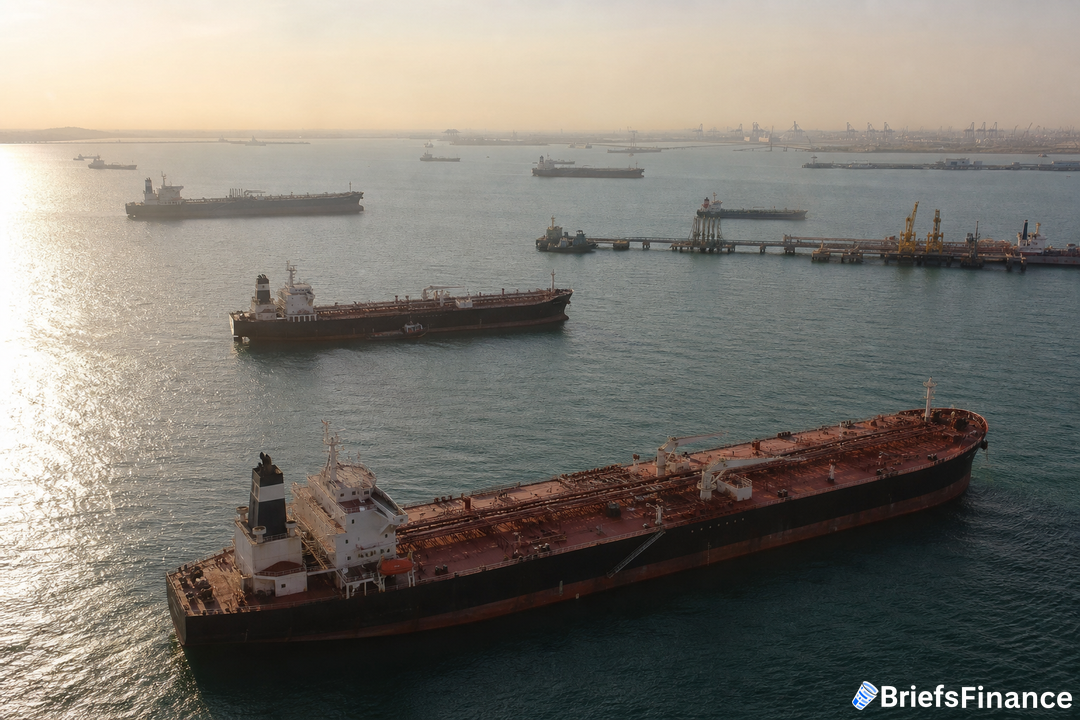
New images point to a rapid reroute
Fresh EU Sentinel 2 images over the weekend showed a cluster of Saudi supertankers at Gulf export terminals with capacity to lift around 14 million barrels. Bloomberg's compilation says that is the highest such reading since at least June, suggesting the kingdom has rerouted cargoes via the Strait of Hormuz after its cross‑country line was taken offline. Saudi Aramco did not comment on the imagery.
Why the pivot, and how the workaround changed
The East‑West pipeline was taken offline after militants in Iraq attacked it earlier this month. The conduit can move up to 7 million barrels a day to Yanbu on the Red Sea and had been Riyadh's main workaround to the Iran war, keeping supplies moving without sending tankers through the embattled waterway. Instead, the line had served as Saudi Arabia's detour around Hormuz, a zone where Iran has been attacking tankers.
Exports from the Gulf had already been accelerating in early September before the strike, and the shutdown has made pushing more oil through Hormuz even more crucial. Prices climbed back above $100 a barrel this month for the first time since July, and while overall flows through Hormuz remain solid, they are still below pre‑war levels, which has been drawing down inventories.
When global conditions change, steady investment habits help protect and grow your money. Join Briefs Finance CEO Jaspreet Singh on September 29th for a FREE live investor workshop, How to Profit From A Dollar That's Losing its Value, where he shows how we're spotting investment opportunities as the dollar falls. Save your spot.
Read the snapshot, not a single‑day pump number
A weekend headcount does not equal a one‑day export surge. Satellite passes are intermittent and delayed, and tankers usually load over several days. Activity also swings from day to day: at that same Gulf location, the volumes seen on Friday were at their lowest level since the start of September.
Even so, Aramco has been busy. Last week it arranged roughly 60 million barrels to arrive this month and next beyond Hormuz, and is making cargoes available via ship‑to‑ship transfers. Many producers have shipped oil through Hormuz themselves, then let buyers take delivery beyond the chokepoint.
What it means for your money
Until recently, Aramco's exports averaged about 4 million barrels a day, of which roughly 1 million a day moved through Hormuz while the remainder left from Yanbu, where the line terminates, up from around 3 million barrels a day in August. If Saudi Arabia keeps lifting more barrels out of the Gulf despite the pipeline outage, it takes some heat off prices. If not, prices may stay jumpy while stockpiles thin. That can show up at the gas station and in heating bills before it trickles into market narratives.
Keeping a long term plan brings calm and improves the odds of growing savings. Our CEO Jaspreet Singh is hosting a FREE live investor workshop, How to Profit From A Dollar That's Losing its Value, on September 29th. Sign up free to join him live.