Prices pull back as officials try to calm nerves
Crude cooled after a sharp monthly climb as the Trump administration sought to reassure traders about Saudi Arabia's damaged East-West pipeline, signaling it should be back in a matter of days. U.S. benchmark WTI slipped 1.6% to $104.09 by 8:57 a.m. ET, while global marker Brent dipped 1.1% to $107.57. That retreat follows a roughly 20% rise this month as conflict has intensified around the Persian Gulf.
What shut the line and how long it might last
Riyadh closed the line late last week after drone attacks launched from Iraq damaged it. The government has not shared a damage assessment or a repair schedule. On Tuesday, U.S. Energy Secretary Chris Wright told CNBC the outage is a "brief and temporary interruption" that "will be measured in days." Independent analysts countered that satellite imagery shows heavy damage at a pumping station, suggesting the shutdown could stretch into weeks.
Reroutes, risk, and what to watch next
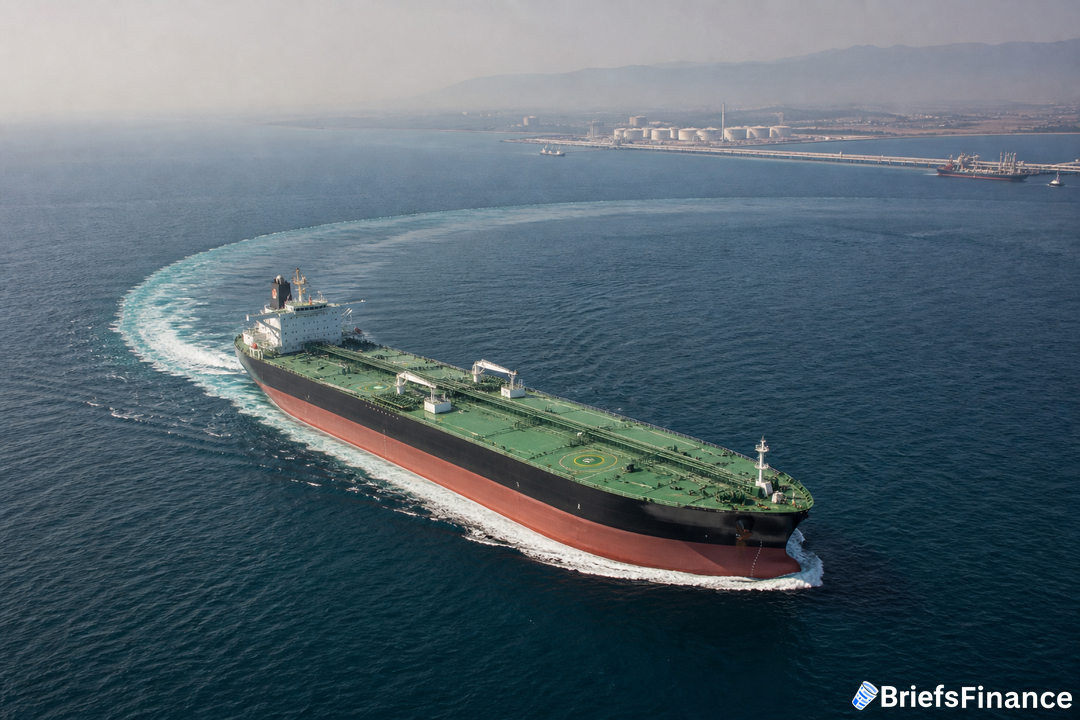
Wright said Saudi Arabia has taken "quick action" to ship more crude through the Strait of Hormuz with assistance from the U.S. military while the pipeline is offline. Kpler's Matt Smith, who leads commodity research, said that on Tuesday four supertankers totaling 8 million barrels of capacity were loading at the Persian Gulf terminals of Ras Tanura and Juaymah. "They are likely going to be part of the shuttling effort via the Omani route through the Strait," Smith said.
The U.S. military has mapped a corridor along Oman's coast that has allowed Gulf exporters to lift flows through Hormuz, though volumes remain well below pre-war levels. The passage is still dangerous as Iran continues to strike tankers, with at least two vessels attacked in Hormuz since Saturday, according to the United Kingdom Maritime Trade Operations Centre.
When supply routes shift, steady investors focus on protecting and growing savings. Join Briefs Finance CEO Jaspreet Singh on September 29th for a FREE live investor workshop, How to Profit From A Dollar That's Losing its Value, where he shows how we're spotting investment opportunities as the dollar falls. Save your spot.
Why it matters for your wallet
Near term, more barrels moving via Hormuz can ease supply anxiety, but unverified repair timelines and fresh tanker attacks keep price swings very much alive. If energy costs are part of your monthly budget, that mix can show up quickly at the pump and on utility bills, even if markets pull back for a day.
Unexpected interruptions remind savers to keep a clear plan for financial resilience. Our CEO Jaspreet Singh is hosting a FREE live investor workshop, How to Profit From A Dollar That's Losing its Value, on September 29th. Sign up free to join him live.