A Pipeline Problem With Global Reach
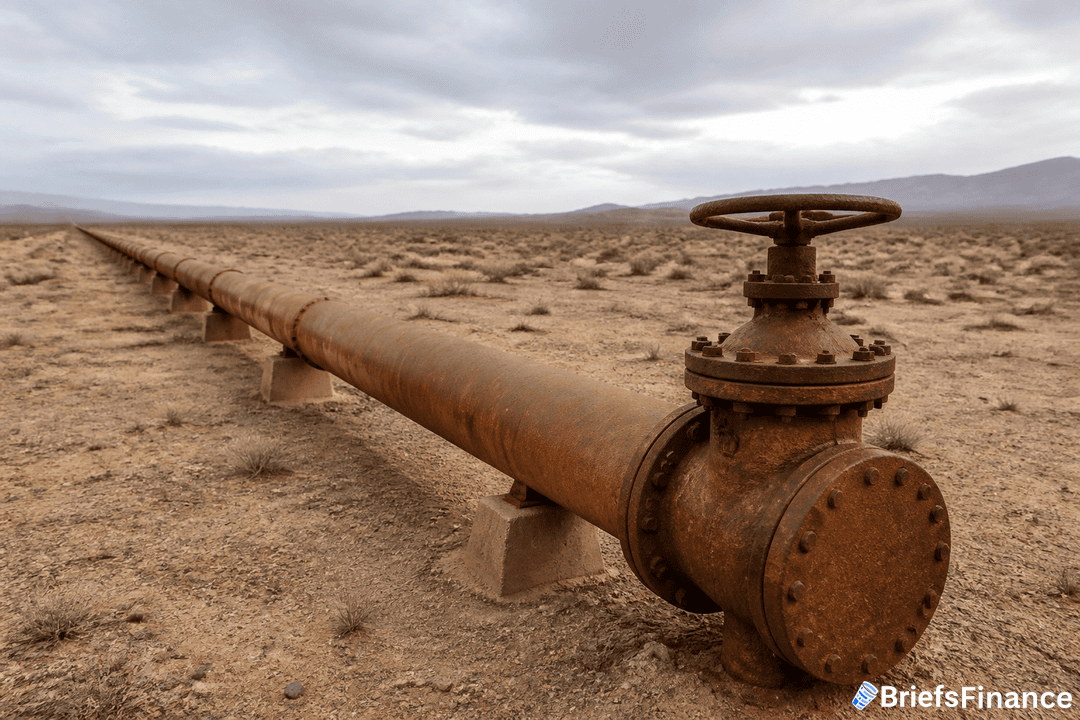
Saudi Arabia shut its East-West pipeline on Friday after multiple drone attacks launched from Iraq injured several people and struck a key stretch in the Riyadh and Medina regions. The line moves crude from Abqaiq on the Gulf coast to Yanbu on the Red Sea, and the stoppage puts around 4 million barrels a day in jeopardy.
The system spans roughly 750 miles and is designed to handle up to 7 million barrels per day after recent expansions. Authorities called the move precautionary while they work to fix a damaged pumping station that analysts say appears seriously hit.
Vantor imagery shows extensive burn damage and charring in and around a pumping station following drone strikes on September 11, 2026, along with ensuing fires. Some analysts say the window to patch the system is tight, warning that a longer outage would magnify the price impact.
These developments unfold amid escalating regional strains, with renewed U.S.-Iran frictions, a rapid land push by the Houthis, backed by Iran, along the Red Sea coast, and additional strikes on Saudi Arabia. Riyadh has leaned on the East-West route to divert exports away from the Strait of Hormuz amid fighting between the U.S. and Iran.
Prices Jump as Traders Price In Supply Loss
Crude rallied as traders adjusted for tighter regional supply. International benchmark Brent futures for November delivery were up 0.6% at $106.29 a barrel on Tuesday morning, extending a run that has left prices just over 21% higher in the past month.
On screens, ICE Brent Crude (Nov′26) showed 107.60, up +1.92 (+1.82%), as of Last | 3:21 PM BST. U.S. West Texas Intermediate futures for October were 1.2% higher at $102.61. Gains exceed 25% over the past month, and last week the contract moved back over $100, a level not seen since May.
Analysts see little near-term relief. "The broader Middle East conflict is already putting a premium on crude, and the loss of Saudi Arabia's East-West pipeline adds another major constraint," said Rystad Energy vice president of oil markets Janiv Shah.
Shah added that the market still seems to expect inventories to help absorb the shock in the short run. "The relatively contained price reaction suggests the market still expects Saudi inventories to cushion exports in the near term, but if the disruption extends beyond the five-to-seven-day inventory cushion, that could change quickly," he said.
Why the Route Matters
The East-West line is the main workaround to keep barrels moving without relying on the Strait of Hormuz. Torbjorn Soltvedt of Verisk Maplecroft described the damage and repair holdups as reinforcing each other because of the regional conflict, where attacks curb exports and broader shipping disruptions delay the parts required to fix the sole major route that skirts Hormuz.
Headlines can be unpredictable, but steady saving and investing builds resilience. Join Briefs Finance CEO Jaspreet Singh on September 29th for a FREE live investor workshop, How to Profit From A Dollar That's Losing its Value, where he shows how we're spotting investment opportunities as the dollar falls. Save your spot.
Soltvedt said the hit to the East-West route removed an outlet moving over 4 million barrels a day, volumes that now need to be pushed through the Strait of Hormuz. He noted that daily flows through that chokepoint are choppy and typically average only about half of their pre-conflict levels.
James said it appears "increasingly likely" the broader Red Sea route could be threatened due to pressure from Iran to stop oil leaving the region. Still, she added that Gulf countries "do seem now to be seriously mobilizing" to fix the problem, pointing to a postponed Monday meeting between Oman and Iran as a possible sign of stepped-up preparations within the Gulf.
The Cushion Is Thinning
The usual buffer from global stockpiles is wearing down fast. Paul Gooden, who serves as head of natural resources at Ninety One, said stockpiles have already fallen by roughly 1 billion barrels. "We've likely got another ~1bn to go before we hit tank bottoms, so we still have breathing space," he said.
Gooden also warned that the balance keeps tightening as long as a key chokepoint is not fully open. "But every day Hormuz stays closed the oil market tightens, and the risk is asymmetrically to the upside," he said.
Satellite evidence has led some to conclude repairs could drag on. Andy Lipow, president of Lipow Oil Associates, suggested it might take months, while Riyadh has not disclosed how many pumping stations were affected or when flows might resume.
What It Means for Your Portfolio
A major outlet is offline just as the region grows more volatile, and traders are voting with their feet that supplies will stay tight.
The fine print: inventories can only paper over the gap for so long. If repairs run past the five to seven days of cover Shah flagged, or if more barrels are forced through chokepoints running at roughly half their old pace, the squeeze could get worse.
There is some coordinated action brewing. James said Gulf states appear to be mobilizing to tackle the shortfall, and the postponed Oman-Iran meeting she cited hints at more urgent planning.
For now, analysts do not expect crude to slip under $100 a barrel. That keeps energy a swing factor for your budget and your holdings, with more upside risk if fixes lag or transit routes face new disruptions, and some relief if the line restarts and shipping lanes stay open.
In uncertain moments, a simple plan helps protect and grow your money. Our CEO Jaspreet Singh is hosting a FREE live investor workshop, How to Profit From A Dollar That's Losing its Value, on September 29th. Sign up free to join him live.