What changed and why it matters
S&P Global Ratings cut the outlook on Meta's AA- rating to negative, an early warning that a downgrade could come in the next couple of years. The driver is mounting pressure on the balance sheet from big artificial intelligence investments and the debt metrics that come with them.
The rater flagged leverage - debt compared with earnings - as a key concern, projecting it could exceed 1.0 times as early as next year after sitting near 0.1 times last year. S&P also said it is uncertain when AI spending will begin producing material revenue that outstrips the higher costs, and the outlook reflects questions about how long capital spending stays elevated and free operating cash flow remains in the red.
The bill coming due
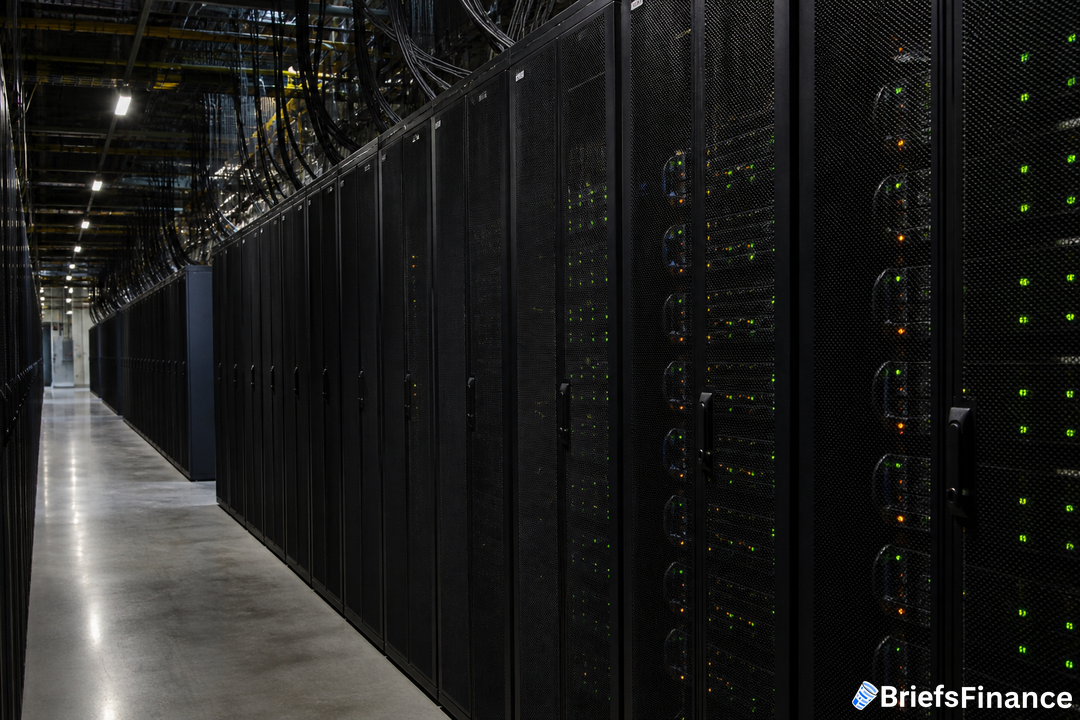
S&P estimates Meta's capital spending will hit about $140 billion this year, then pick up to above $225 billion in 2027. Earlier this month, Meta disclosed that upcoming obligations exceed $800 billion, with almost half tied to not-yet-started leases, largely designated for building out data centers and power-related facilities. Even though some investors question the eventual returns on these wagers, the company's top brass has only intensified its commitment.
"We expect to continue investing aggressively to support both our core business and emerging AI initiatives," Chief Financial Officer Susan Li told analysts.
Meta's pushback and monetization paths
Meta disagreed with S&P's view on its ability to cash in on AI. "We respectfully disagree with S&P's assertion about Meta's AI monetization capabilities," spokesperson Kamran Mumtaz said, adding, "We see significant product and business opportunities ahead of us, supporting our very strong credit profile."
The company highlighted progress in its Muse models as well as an AI assistant for individual users. Chief Executive Officer Mark Zuckerberg, together with other executives, has described monetization routes that include subscriptions and transaction fees and may also incorporate advertising, which already accounts for the bulk of Meta's revenue across Instagram, Facebook and WhatsApp. Meta is also mapping out a potential cloud offering, which could involve selling access to hosted AI models or even to raw compute on its infrastructure.
Thoughtful tools like AI can help investors seek an extra edge over time. We're hosting our first ever investor livestream on 11/17 to show you how to use ChatGPT and Claude to invest like a pro, hosted by Briefs Finance CEO Jaspreet Singh. Save your seat.
The market backdrop and what to watch
The broader tape is jittery as investors test whether giant AI outlays will translate into hard returns. On Friday, the Nasdaq 100 fell 3.5 percent and briefly dipped into a technical correction, weighed down by disappointing tech earnings.
Meta's current AA- is the fourth-highest investment-grade rating, and even a one-step cut would still leave it firmly in high-grade territory. S&P emphasized it is not actively considering a downgrade now; the negative outlook simply opens the door to one over the next couple of years.
For your portfolio, keep an eye on three lines: whether AI revenue starts to outrun costs, whether capex tracks S&P's path from around $140 billion this year toward north of $225 billion in 2027, and whether leverage moves past 1.0 times from roughly 0.1 times last year. Those markers will shape both market pricing and how ratings firms assess Meta's next chapter.
Learning how to use new tools calmly can improve long term investment decisions. On 11/17, our CEO Jaspreet Singh goes live for our first ever investor livestream on how to use ChatGPT and Claude to invest like a pro. Register to join him.