What happened
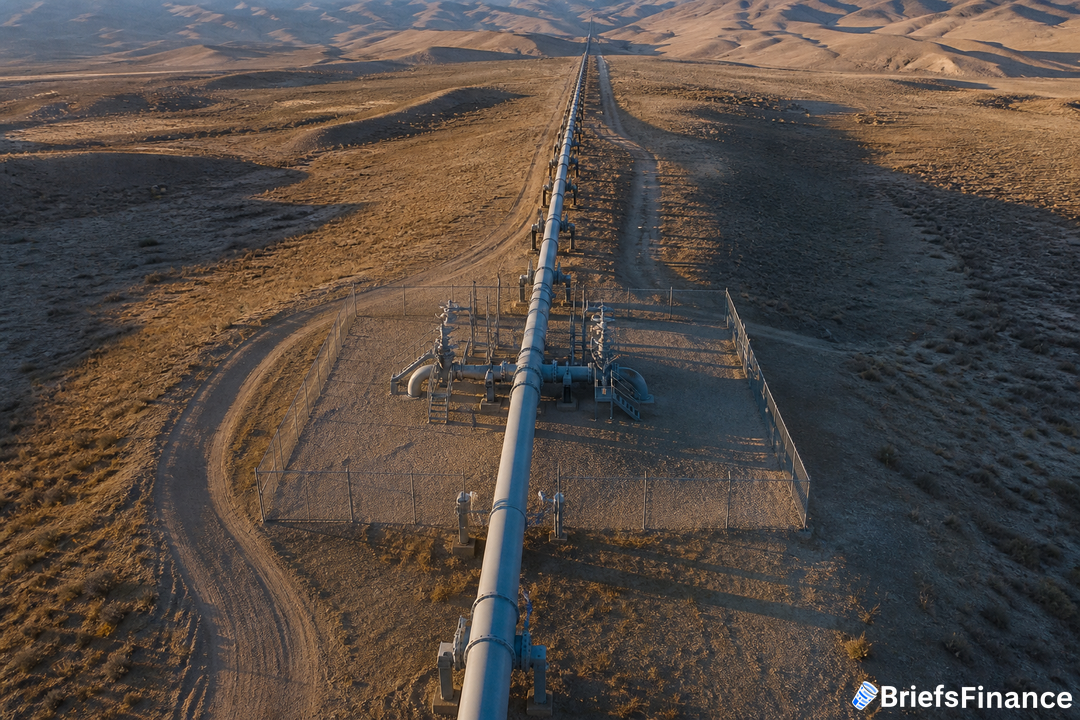
Saudi officials closed the East-West pipeline on Friday as a precaution after a series of drone attacks struck the route in the Riyadh and Madinah regions, the Ministry of Foreign Affairs said. Investigators later assessed the launches came from inside Iraq. Early Saturday, Prime Minister Ali Al-Zaidi dismissed the Maysan province operations commander and opened an investigation after determining the attacks originated from a location in that province, which borders Iran. Following the drone attacks, Iraq temporarily shut the Shalamcheh crossing on the Iranian frontier as a safeguard, according to Reuters, which cited unnamed security officials.
The flare-up comes amid broader regional fighting. The Yemen-based Houthis claimed strikes on energy sites in Saudi Arabia at Abha, Najran and Jazan, and the US, for its part, carried out attacks on Iranian oil tankers. Baghdad has been under pressure to rein in local Iran-backed militias that support other proxies in the region, but has struggled, and territory inside Iraq has more and more been used as a platform for Tehran to strike back across the Gulf.
Why the pipeline matters
Saudi Arabia's East-West line moves crude from the Persian Gulf to the Red Sea for loading onto tankers, giving the kingdom a critical alternative when the Strait of Hormuz is constrained. The 7 million barrel a day conduit maxed out earlier this year after tanker traffic in Hormuz nearly stalled. Even that backup route has come under strain from Iran-aligned Houthi strikes, with missile and drone attacks inside Saudi Arabia forcing several energy sites to halt operations. The group has gained ground, and further gains would hand it more leverage over another chokepoint just as oil prices are already running hot.
Market and supply impact
After the ministry's update, Brent hovered around $105 a barrel - having nearly hit $110 on Thursday amid supply fears - while Eurasia Group analyst Gregory Brew observed, "Thursday's attacks are a pretty clear demonstration that both Iran and its allies have both the capability and the will to strike regional energy infrastructure, and that infrastructure is vulnerable to ballistic missile or drone attacks." "The size of the disruption has already been priced in," Brew said.
In August, the kingdom's oil shipments dropped to roughly 3 million barrels a day - the weakest level in data since early 2017 - amid Houthi assaults on vessels in the Red Sea. Meanwhile, flows through the Strait of Hormuz remain limited. The US is enforcing a blockade on cargoes departing Iranian ports, and Tehran is still hitting vessels in the strait. Industry executives and Vortexa put current flows of oil products through Hormuz at around 1 million barrels a day, compared with roughly 4 million barrels a day before the war.
Events abroad can remind investors to reassess risk and protect their long term goals. Join Briefs Finance CEO Jaspreet Singh on September 29th for a FREE live investor workshop, How to Profit From A Dollar That's Losing its Value, where he shows how we're spotting investment opportunities as the dollar falls. Save your spot.
The squeeze is showing up at the pump. The average US gasoline price is above $4 a gallon, and average retail diesel has jumped to a record $6. Early-war cushions are thinning too: US crude stockpiles have plunged and most emergency reserve releases have already hit the market.
What this means for your portfolio
With Hormuz still tight and the Red Sea workaround under fresh pressure, oil looks set for choppy trading. A temporary halt on the East-West line adds another risk factor as strikes and counterstrikes ripple through the region. That backdrop is why fuel prices are elevated and why headlines from the Gulf keep showing up in your monthly budget.
Keeping a steady plan helps your savings weather surprises and pursue steady growth. Our CEO Jaspreet Singh is hosting a FREE live investor workshop, How to Profit From A Dollar That's Losing its Value, on September 29th. Sign up free to join him live.