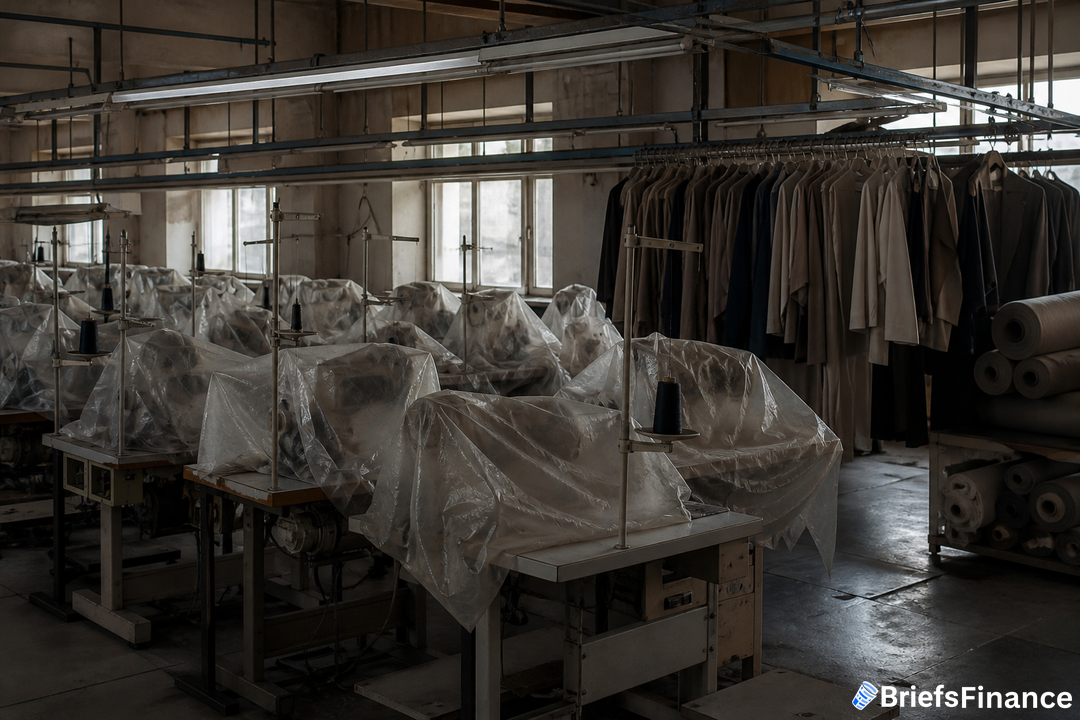
Inside a split‑screen factory
After lunch at Plummy Fashions on Dhaka's outskirts, one line clicks back into motion, with workers checking seams and fastening tags to piles of women's black T‑shirts headed to Zara stores across Europe. Steps away, a different hall has been still for three months, its rows of Juki sewing machines and white tables waiting on work that never arrived.
"One of our buyers put polyester orders on hold, hoping prices would come down," Managing Director Fazlul Hoque said in June. Among its customers are Inditex labels such as Zara and Pull&Bear, Hoque noted, and he argues the cost breakdown leaves almost no flexibility: raw materials make up about 60% of a basic T‑shirt's price, while factory margins are typically only 2% to 3%. With demand soft, he's eating the increases rather than marking up. "We have absolutely no leverage," he said, adding that in a crowded market "If I refuse to produce at a loss, someone else will step in."
Fiber shock meets pricier freight
The Iran war has made moving goods slower and dearer, and it is lifting the tab for what goes into them. Garment making usually hops across borders and through many steps, so higher energy and shipping bills stack up. On top of that, the two main fibers are both more expensive.
Before the conflict, polyester usually cost about half as much as cotton. Then oil rallied, pushing polyester prices in China toward a near four‑year high. Plummy saw polyester yarn costs jump roughly 25% within weeks of the war breaking out.
Cotton has been climbing too as buyers hunt substitutes and supplies tighten amid fertilizer constraints and worry that a strong El Niño could dent harvests later this year. Prices touched a two‑year high, and cotton futures climbed to levels last seen in March 2024. "What's unusual in the current environment is that both major fibers are facing cost pressure at the same time," said Julian Hügl, a partner at McKinsey & Co., leaving brands little room to swap one fiber for the other.
Supply disruptions remind investors to keep their savings diversified and patience intact. Join Briefs Finance CEO Jaspreet Singh on September 29th for a FREE live investor workshop, How to Profit From A Dollar That's Losing its Value, where he shows how we're spotting investment opportunities as the dollar falls. Save your spot.
Thin margins, tough choices
"There's not a single input cost that hasn't gone up, whether it's polyester yarns, cotton yarns, dyes, chemicals, oil or gas," said Mohit Jain, executive vice chairman of India's Indo Count Industries. In Germany, fabric maker Kettelhack, which largely uses polyester‑cotton blends, says its costs are running 5% to 8% higher, according to sales manager Jens Kampling in Bremen.
Brands can push back on supplier prices, change products, or lift tags. Swedish label ASKET chose to raise its own prices. "If we'd gone the other route to keep prices the same, we would've had to source somewhere else or degrade our quality," said co‑founder Jakob Dworsky.
Inditex, owner of Zara, says Middle East disruptions have increased transport and input costs, and that the hit is expected to keep weighing on gross margin in the back half of the year. The company says it has adjusted transport and sourcing and leaned on a network spread across dozens of countries to soften the blow.
Timing, trade spillovers, and your money
Because apparel orders are often placed up to a year ahead, the squeeze won't show up all at once. Retailers say shoppers will probably start to feel it in autumn, with the bigger impact showing up next spring and summer as newer, costlier orders hit stores. Jon Devine, the chief economist at Cotton Incorporated, said, "It's a really competitive environment out there." "So every cent matters. The consumer may not even notice a change in cotton prices, but retailers looking at their margins will because every cent can be helpful or hurtful to them." Fritz Grobien, president of the Bremen Cotton Exchange, put it simply: the whole textile chain rises and falls with how flush and confident consumers feel.
There are broader trade cracks too. India remains a key sourcing base, representing roughly 4% of global textiles and apparel trade. Even so, ready‑made garment shipments fell 4.5% year over year in July, extending a broader downturn that saw exports 10.5% lower over the fiscal year's opening four months. Bangladesh sends roughly $800 million in garments to the Middle East annually, and that flow is now almost entirely on pause.
For your wallet, the through‑line is straightforward: if Hügl's view plays out, list prices in basic apparel could ultimately land in the 10% to 20% range, and it may take up to a year for the full effect to cycle through. That means higher fabric, freight, and energy costs are likely to show up gradually in what you pay for everyday clothes, even as manufacturers like Plummy try to shoulder more of the burden in the near term.
When expenses change, a thoughtful plan helps protect and grow your wealth. Our CEO Jaspreet Singh is hosting a FREE live investor workshop, How to Profit From A Dollar That's Losing its Value, on September 29th. Sign up free to join him live.