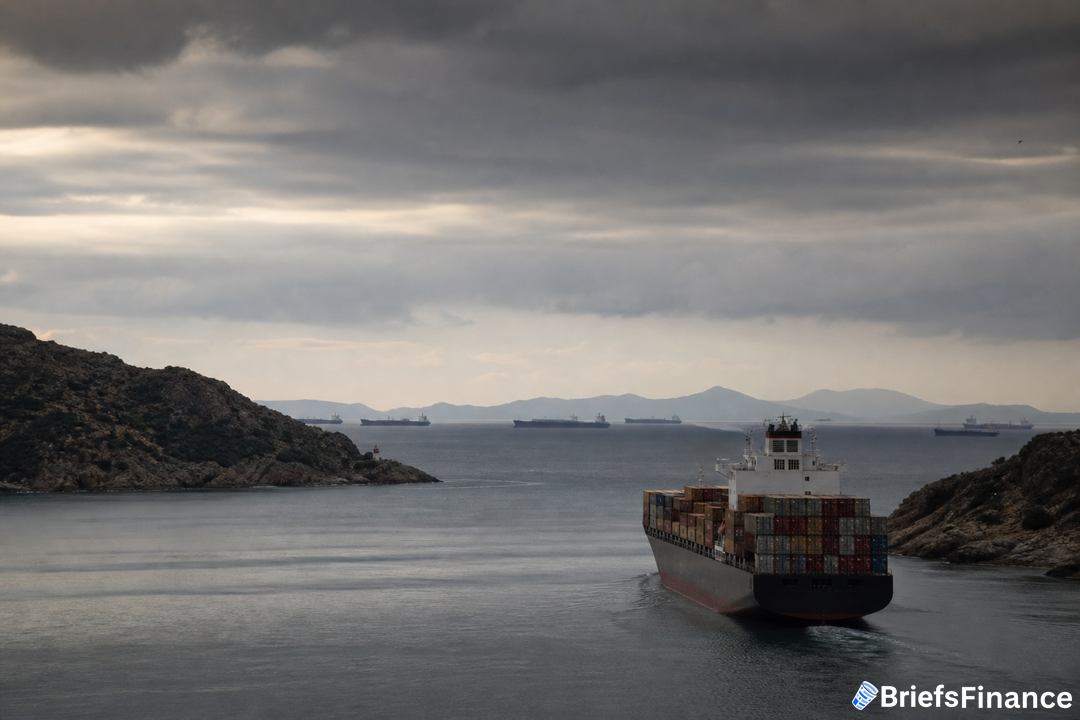
What happened
Oman's foreign minister, Badr Albusaidi, said on X that the Monday meeting to discuss a temporary Hormuz passage is being postponed "in the interests of consensus." Oman's Foreign Ministry added that the pause is meant to create the right setting for talks that could bolster the region's security and stability.
Iran's state media reported the foreign ministers' session was delayed at the request of countries in the neighborhood. Tehran had planned to roll out the framework following accelerated outreach that featured senior figures from Iran meeting counterparts in Abu Dhabi.
Why plans unraveled
Attendance was murky in the runup. Bahrain said it would stay out, pointing to what it called recent Iranian-backed strikes on sites in the Gulf. Intensifying clashes between forces supported by Saudi Arabia and the Iran-aligned Houthis in Yemen also weighed on planning.
Tehran signaled the arrangement would not mean a full reopening, and that Iran would still choose which vessels could transit. Foreign Minister Abbas Araghchi labeled the planned gathering an "important event" and a trust-building step in an interview with Al Araby Al Jadid. People with knowledge of the discussions said Iran and Oman planned to pick up negotiations later on topics including ship fees.
Global events often highlight why a steady investment plan protects your financial future. Join Briefs Finance CEO Jaspreet Singh on September 29th for a FREE live investor workshop, How to Profit From A Dollar That's Losing its Value, where he shows how we're spotting investment opportunities as the dollar falls. Save your spot.
Energy, markets, and recent incidents
Brent crude has climbed above $105 a barrel as fresh Middle East tensions stoke supply fears. Earlier this month, the US and Iran traded blows involving oil tankers in the Persian Gulf. Over the weekend, UK Maritime Trade Operations said a vessel caught fire after being hit by a projectile a day earlier. Iran's state-run IRIB reported an "enemy strike" on a commercial ship near Qeshm and Hengam islands that left one person dead.
Saudi Aramco slipped almost 1.1% on Sunday to the weakest level since March after the kingdom shut its East-West pipeline, a major workaround to Hormuz, following drone attacks by militants based in Iraq.
The politics and the practical note for your portfolio
Higher fuel costs are now a political storyline too. With just over 50 days before the midterms, rising pump prices are a headache for President Donald Trump's Republican Party. Asked Sunday about a potential Gulf meeting with Iran, Trump said, "I don't care. That's up to them. That's fine."
US Energy Secretary Chris Wright also played down the odds of a quick Hormuz breakthrough on Sunday. In his view, the seaborne flows that markets still rely upon add up to about 10 million barrels per day in crude plus refined products moving through Hormuz. With additional bypass pipelines, "we're back to two-thirds or north of two-thirds of the previous flows," he said, adding, "So the world oil markets are tighter than we'd like today, but they're not overly tight." For your wallet, the mix of delayed diplomacy, security incidents, and triple-digit Brent is the combo to track when thinking about how much of your budget is tied to energy swings.
Staying calm and focused helps you grow and safeguard what you have. Our CEO Jaspreet Singh is hosting a FREE live investor workshop, How to Profit From A Dollar That's Losing its Value, on September 29th. Sign up free to join him live.