What NAR Dug Into - And What It Found
The National Association of Realtors commissioned a first-of-its-kind look at how data centers intersect with real estate so agents can field rising client questions. Nadia Evangelou, NAR's principal economist who also leads its real estate studies, summed up the core theme with a reminder that these sites are not a one-size-fits-all phenomenon.
"We talk about data centers as though they are one category, and they are not," said Evangelou. She noted that Northern Virginia, Silicon Valley, Phoenix, central Ohio and Grant County, Washington, each have their own economic mix and reasons to attract these builds, so the research did not uncover a single explanation that ties together home prices, jobs or electricity costs across markets.
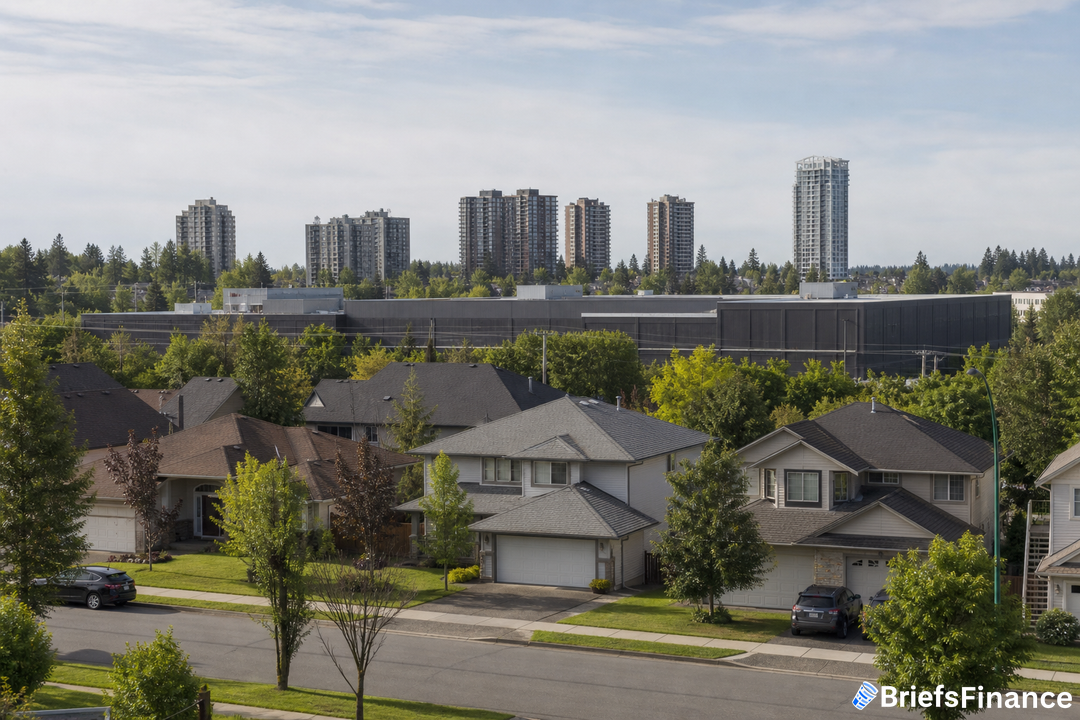
The study layered multiple datasets: where roughly 1,500 data centers sit and how large they are, plus property values, home sales activity, demographics and input from over 2,300 realtors around the country. One practical takeaway is that many new facilities are rising in or near neighborhoods, which brings the impact close to people's front doors.
Those server farms keep the internet running - from everyday searches to the booming artificial intelligence stack - which helps explain why construction is ramping up. Even so, the buildout is heavily clustered, limited to roughly 1% of the country. Some counties with a high density of facilities show economic gains, while others are grappling with tighter power supplies. And realtors report that housing markets can react before the ribbon cutting.
Where These Facilities Are Piling Up
Northern Virginia stands out with 319 mapped data centers, about 19% of all U.S. facilities cited in the report. On the other end of the spectrum, Louisiana has a single site.
Other notable clusters show up in Silicon Valley, in the central parts of Ohio and Washington, and in south Texas. Many places putting up new centers were already home to stronger-than-average housing markets and higher-than-average incomes, and researchers said those advantages have generally held steady alongside the growth of data centers.
Evangelou said the pace of construction means the work will need ongoing updates. The national realtor group said it aims to release another look within six months.
Amid shifting trends, steady investors focus on protecting purchasing power and growth. Join Briefs Finance CEO Jaspreet Singh on September 29th for a FREE live investor workshop, How to Profit From A Dollar That's Losing its Value, where he shows how we're spotting investment opportunities as the dollar falls. Save your spot.
Abilene's Stargate Build Is Already Moving Housing
Abilene, a midsized city in western Texas, offers a live case study. The ongoing Stargate Project - a $500-billion data center billed to be the biggest in the country - is drawing workers, tightening the local housing market.
Planned specs put the Stargate Oracle AI complex at about 4 million square feet, to be operated by Oracle for OpenAI. This will be the inaugural Stargate location to launch, with completion aimed for the end of 2026.
According to local realtor Steve Stovall, the influx of newcomers to the city has increased revenue, supporting infrastructure upgrades and strengthening the commercial economy. Yet the residential side is now under heavy pressure, and the supply of homes no longer keeps pace with demand.
"It's not a secret at all that there's a big data center north of town being built, and buyers that are currently in the market are well aware of it because they're having trouble finding housing," Stovall said. "That's where a lot of our housing shortage has come from: the people who were going to sell have sold. The rentals are full. The hotels are full. Many of the rentals have become Airbnbs or short-term rentals and the prices are all just going up."
He put the median home price in Abilene at about $342,000, up from about $250,000 six years ago. He said it is too soon to know other spillovers for nearby properties before the project is finished, though some longtime residents already worry about power needs and the environment. Two more large data centers have approvals to be built on the outskirts of town, which could amplify all of the above.
Why This Matters For Your Money
This is a story about place. Some communities bank new jobs and busier storefronts as data centers arrive, while others run into power constraints and housing shortages. Prices can shift before a facility opens if workers and contractors flood in early, as Abilene's median rising to $342,000 from roughly $250,000 shows.
Concentration is another risk to watch. With Northern Virginia holding 319 sites - around 19% of the mapped total - and Louisiana at one, the map is anything but balanced. NAR expects another update within six months, and Evangelou underscored that the speed of development means the findings will keep evolving. If you track housing-linked investments or live near an active build, the local timeline and footprint matter as much as the headline trend.
When local stories change, a calm plan helps your money work smarter. Our CEO Jaspreet Singh is hosting a FREE live investor workshop, How to Profit From A Dollar That's Losing its Value, on September 29th. Sign up free to join him live.