What changed
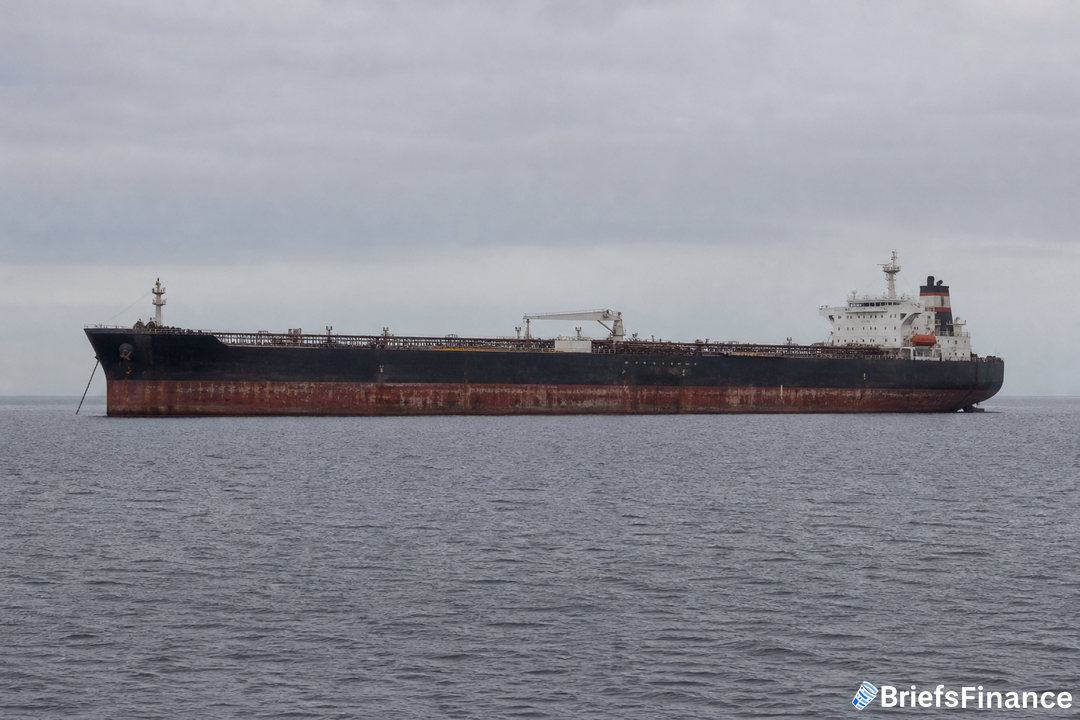
Bloomberg's shipping data shows Iran loaded no crude in September or October, with September the first zero-loading month since the war began in February. United Against Nuclear Iran reports the blockade has left at least 54 tankers with Iranian oil and other products idling along the country's coast.
Some flows continue around the edges. UANI says roughly 11 vessels with cargoes of Iranian liquefied petroleum gas have managed to get through, and Fesharaki pegs crude reaching the market at 200,000 to 300,000 barrels a day via Iraq. Before the conflict, China was the key buyer of sanctioned Iranian crude, favored by the country's independent "teapot" refiners.
Markets have noticed the policy backdrop too. In the run-up to the midterms, President Donald Trump issued repeated threats of new strikes against Iran, which helped drive oil to a six month high in October. He has been more restrained since the vote, and Brent crude is down about 15% this week.
Markets shift when supply and demand change, and informed investors look for advantage. We're hosting our first ever investor livestream on 11/17 to show you how to use ChatGPT and Claude to invest like a pro, hosted by Briefs Finance CEO Jaspreet Singh. Save your seat.
Why talks look unlikely
Fereidun Fesharaki told Bloomberg TV that Tehran sees President Trump as politically weakened after the Republican Party's poor midterm results and is now making "demands the White House cannot accept." His verdict: "Not only are we not close to a resolution, we are even worse than we were before the June MOU," which had briefly reopened the Strait of Hormuz.
He further argued that new strikes targeting Iran are highly probable, noting the narrow timeframe for Trump and Israeli Prime Minister Benjamin Netanyahu to move. Despite exports being choked off, he noted the economic squeeze has not prompted major concessions from Tehran, leaving the odds of an early US Iran agreement low.
The squeeze on revenue and your portfolio
Fesharaki estimates only a few hundred thousand barrels a day are getting out via Iraq and cautioned, "By the end of November, they will be starving because there will be no money coming in." Following more than eight months of war, the near-standstill is strangling one of Iran's key revenue sources.
The bottom line: a tight supply picture from Iran, volatile headline risk around strikes and talks, and data points to watch - tanker activity and monthly loading figures. Sustained changes there can swing crude benchmarks and ripple through energy equities and credit.
New tools can help investors spot opportunities sooner and act with confidence. On 11/17, our CEO Jaspreet Singh goes live for our first ever investor livestream on how to use ChatGPT and Claude to invest like a pro. Register to join him.