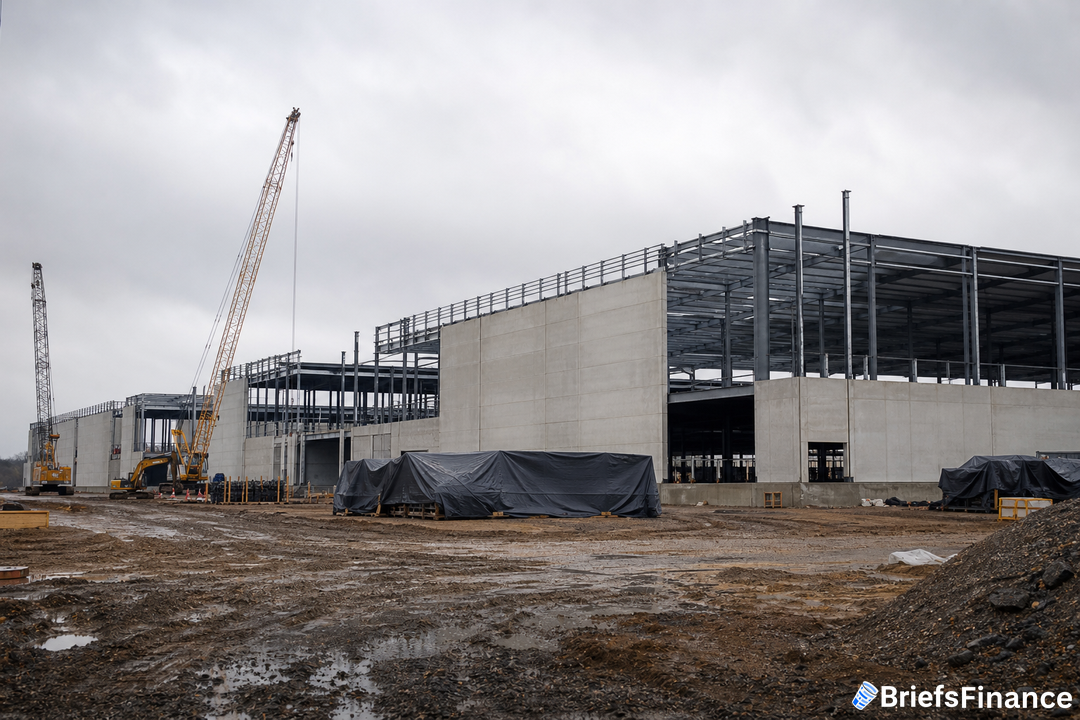
How Microsoft built the neocloud wave
To bridge a compute shortfall, Microsoft paid up for capacity from upstarts even though it runs one of the largest data center fleets. Those checks helped partners like CoreWeave Inc. and Nscale scale fast.
The bet had side effects. After CoreWeave brought over a small group of important Microsoft executives and, last year, reached a direct agreement with close partner OpenAI, many inside Microsoft were irritated, say employees who witnessed it. According to a CoreWeave spokesperson, Microsoft counted among its earliest partners and collaborators, and added, "and we continue to have a great relationship."
Why the pivot now
Inside Microsoft, some leaders are rethinking third-party capacity. Internally, the company is prioritizing growth of its own data centers and, per people familiar with leadership talks, is cautious about signing additional neocloud deals, though it hasn't ruled them out. On the latest earnings call, CFO Amy Hood noted that some third-party capacity is arriving late, disrupting spending plans - the third instance of her flagging this issue on such a call. She also chairs a weekly capacity review that scrutinizes when and where compute will arrive and whether neocloud timelines are credible, say people involved.
Microsoft is also putting more of its own people on site to ensure builds meet its standards and comply with rules, per job postings and people familiar with the effort. It sent staff to a Nebius project in New Jersey that was fined 1 million dollars for operating generators without permits, and to Nscale and IREN projects in Texas. The company said it manages partner relationships against requirements and demand, monitoring delivery and adjusting plans as circumstances change, calling this normal and responsible practice for large, complex infrastructure projects.
The operational snags and exits
Recent setbacks included cabling problems at an IREN site in Texas, according to people familiar. IREN pivoted in 2023 away from cryptocurrency toward AI, suffered a generator fire at that Texas location in April, and revealed in August that hardware deliveries were behind schedule. IREN and Microsoft met last week and agreed on a revised timeline that could push completion by weeks or months, people familiar said.
Microsoft has pulled back from several Nscale efforts. It also exited West Virginia plans that had been outlined in a letter of intent for leasing 1.35 gigawatts. Last month, according to people familiar, the company canceled an Nscale deal of about 3 billion dollars tied to a UK data center, citing grid power that would not arrive for several years.
Nscale said the UK withdrawal did not affect its other Microsoft agreements. Some elements of Microsoft's arrangements with IREN and Nscale had previously been reported by The Information and the Financial Times.
When markets evolve, thoughtful investors look to new tools for a sharper edge. We're hosting our first ever investor livestream on 11/17 to show you how to use ChatGPT and Claude to invest like a pro, hosted by Briefs Finance CEO Jaspreet Singh. Save your seat.
The market backdrop and the investor read
It is a tough moment for neoclouds created to accelerate AI infrastructure deployments using Nvidia chips and other gear. Gartner forecasts that by the close of the decade, 80 percent of these providers could be consolidated or shut down. Elon Musk offered an even more severe assessment, warning of "guppy-level death" for many, as they struggle to secure sufficient funding to operate.
Political risks rose following a string of victories this week by Democratic gubernatorial hopefuls who ran on tougher data center regulations. In Texas, Governor-elect Gina Hinojosa urged halting data center development immediately until broader regulations are in place.
Despite the shakiness, demand for computing power still far exceeds supply and is expected to stay that way. While Microsoft is prioritizing its own buildout, Anthropic PBC and Alphabet Inc.'s Google are accelerating commitments to these operators. Over the last year Microsoft added more than 200 billion dollars of new data center lease commitments.
A spokesperson said some of that includes neocloud capacity, and prior reporting indicates the spending supports a major expansion of Microsoft's server farms in the coming years. The company has committed more than 80 billion dollars to neocloud providers, based on company announcements and Bloomberg reporting, though it has stepped away from a small portion of its Nscale commitment.
Buying third-party compute was controversial inside Microsoft from the start. Leaders worried that outsourcing would lift potential competitors and expose Microsoft to higher costs and execution risk because many neoclouds have limited experience operating server farms. Nebius CEO Arkady Volozh has been forthright about how temporary the approach is, saying in March that the company would expand alongside major clients such as Microsoft or Meta Platforms Inc., even though they will move away from neoclouds later. "We treat this business as temporary," he said. "They just cannot cope with the speed now - that's why they're outsourcing."
The bottom line: demand is strong, timelines are slip-prone, and oversight is tightening. That combination supports long-run AI compute growth while adding meaningful execution and regulatory risk across the neocloud supply chain.
Learning how AI can clarify signals helps investors navigate uncertainty with more confidence. On 11/17, our CEO Jaspreet Singh goes live for our first ever investor livestream on how to use ChatGPT and Claude to invest like a pro. Register to join him.