What the report measured
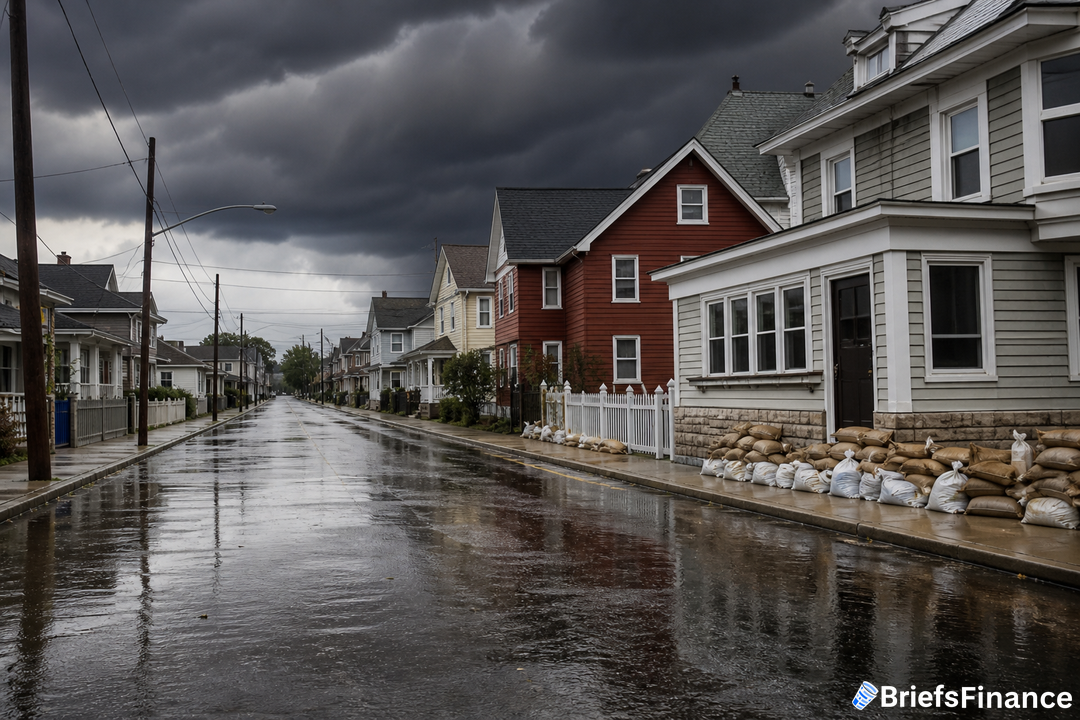
Cotality, a property data and analytics firm, built a risk score that evaluates how severe and how likely different weather threats are to rank state exposure. The study maps the most vulnerable states and estimates both today's losses and where they are headed by 2050.
The takeaway: 30 states already face multibillion-dollar losses from extreme weather, and the figure grows from here. As Cotality's chief scientist, Dr. Howard Botts, put it, "When people think of extreme weather, they usually think of places like California, Texas and Florida, but the most severe concentrations of risk aren't always where you'd expect."
Where the risk concentrates
Louisiana sits at the top for exposure to severe storms, a state with painful history after Hurricane Katrina. Cotality estimates homeowners there collectively lose about 6.7 billion dollars per year to extreme weather now, with losses projected to reach 11.4 billion dollars by 2050, driven in large part by more inland flooding.
Ranking just behind Louisiana, the states of Mississippi and Florida face the highest vulnerability after it, largely because of hurricanes. For Mississippi and Florida, Cotality pegs the increase in housing market losses at roughly 62 percent and 54 percent, respectively, by 2050. The analysis also flags that places far from the coasts are not spared, naming West Virginia as likely to face bigger inland flood impacts.
Savvy investors seek tools that reveal hidden risks before they affect portfolios. We're hosting our first ever investor livestream on 11/17 to show you how to use ChatGPT and Claude to invest like a pro, hosted by Briefs Finance CEO Jaspreet Singh. Save your seat.
What is driving losses - and who is exposed
Cotality says climate change is boosting the frequency and punch of storms. It expects flooding, hurricanes and severe convective storms (short, high-impact events) to produce the biggest losses nationwide in the coming decades. Insurers are responding by raising premiums and, in some cases, pulling out of high-risk markets, which leaves more of the cost on homeowners.
The firm underscores that risk is rising everywhere. It estimates the 10 least-exposed states will see losses climb nearly 38 percent by 2050, compared with roughly 47 percent growth for the top 10 riskiest states. "It's important to remember that 'low risk' doesn't mean 'no risk'," Botts said.
The bottom line for your portfolio
California and Texas have endured the largest average annual losses so far, at 18.2 billion and 11.5 billion dollars, respectively. By 2050, Cotality projects those figures will grow to 22.4 billion a year in California and 16.5 billion in Texas. Separate research from First Street, a climate risk modeler, found that severe convective storms have generated 794 billion dollars in insurance claims paid out during the past 25 years - exceeding the combined payouts for flooding, earthquakes and drought.
Why that matters: higher weather losses can feed into insurance costs, property values and credit risk across housing. If your exposure touches real estate, lending, or insurers, the storm math is moving against you.
Using better analysis can help investors stay prepared for changing market conditions. On 11/17, our CEO Jaspreet Singh goes live for our first ever investor livestream on how to use ChatGPT and Claude to invest like a pro. Register to join him.