The tax shift and how firms are reacting
Thailand raised the excise rate on completely imported EVs to 35%, with the higher levy kicking in Jan. 1. Cars made in Thailand will be taxed less, with the rate tied to how much of their parts are sourced domestically.
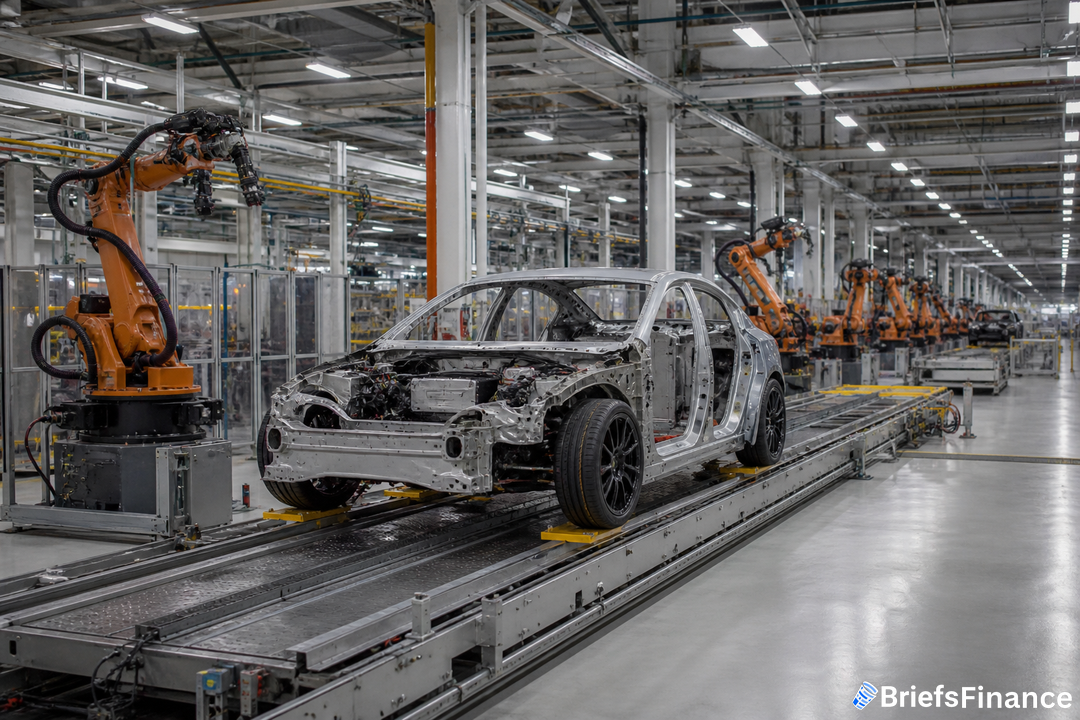
Industry voices expect the move to accelerate actual production, not just announcements. "Instead of saying they plan to invest, they will move faster to produce vehicles in Thailand," said Surapong Paisitpattanapong, spokesman for the Federation of Thai Industries' Automotive Industry Club. After the policy won approval, two carmakers asked to discuss possible factories, said Permanent Secretary for Finance Lavaron Sangsnit to reporters. AAS Auto Service Co. has reached out to the finance minister, and another manufacturer is slated for talks with the Excise Department this week.
Who is weighing factories - and who is expanding
Millennium Group Corporation (Asia) Pcl, the Thai distributor of XPeng, is exploring a possible plant with the Chinese brand after the 35% import tax was announced. The company said by email, "We are working with XPeng to assess the project's commercial viability, potential production volumes, the readiness of local parts suppliers and our ability to meet local-content requirements."
Chinese brands already building cars in Thailand are adding to their footprint too. Omoda & Jaecoo (Thailand) Co. plans to lift output and increase use of locally made parts. Vice President Bill Zhang, in an emailed response, said, "We will continue to develop a more complete business ecosystem around our operations in the country."
The market context
Thailand is guarding its status as Southeast Asia's top auto manufacturing base as Chinese EV makers redraw a market long led by Japanese brands. BOI-approved EV projects have almost doubled over the past five years to above 141 billion baht as of September, highlighting the pivot to electric. Under the new structure, imported EVs pay 35% while local models get lower rates that improve with higher domestic content, and in three years the government plans to require roughly 40% local value.
Bangkok's target is that, within two years, locally produced cars make up 70% of supply - over double their share from January through September 2026. Imports have been dominated by China, which supplied 96% of EV shipments during that stretch.
Smart investors look for new tools that can quietly improve decision making. We're hosting our first ever investor livestream on 11/17 to show you how to use ChatGPT and Claude to invest like a pro, hosted by Briefs Finance CEO Jaspreet Singh. Save your seat.
Sales, shipments and prices
Importers are racing to bring in vehicles before Jan. 1, according to Surapong. Monthly EV sales are tracking at about twice last year's rate, and the FTI's automotive club expects about 200,000 EVs to be sold in 2026.
Prices could jump for models that remain imported, depending on how much of the tax carmakers absorb. "With the new tax, they could cost 700,000 to 800,000 baht," said Duangjai Singkul, a Grab driver in Bangkok. "That's extremely expensive for middle-income people like me."
What this means for your portfolio
Learning how emerging technologies can sharpen your perspective is a steady advantage. On 11/17, our CEO Jaspreet Singh goes live for our first ever investor livestream on how to use ChatGPT and Claude to invest like a pro. Register to join him.