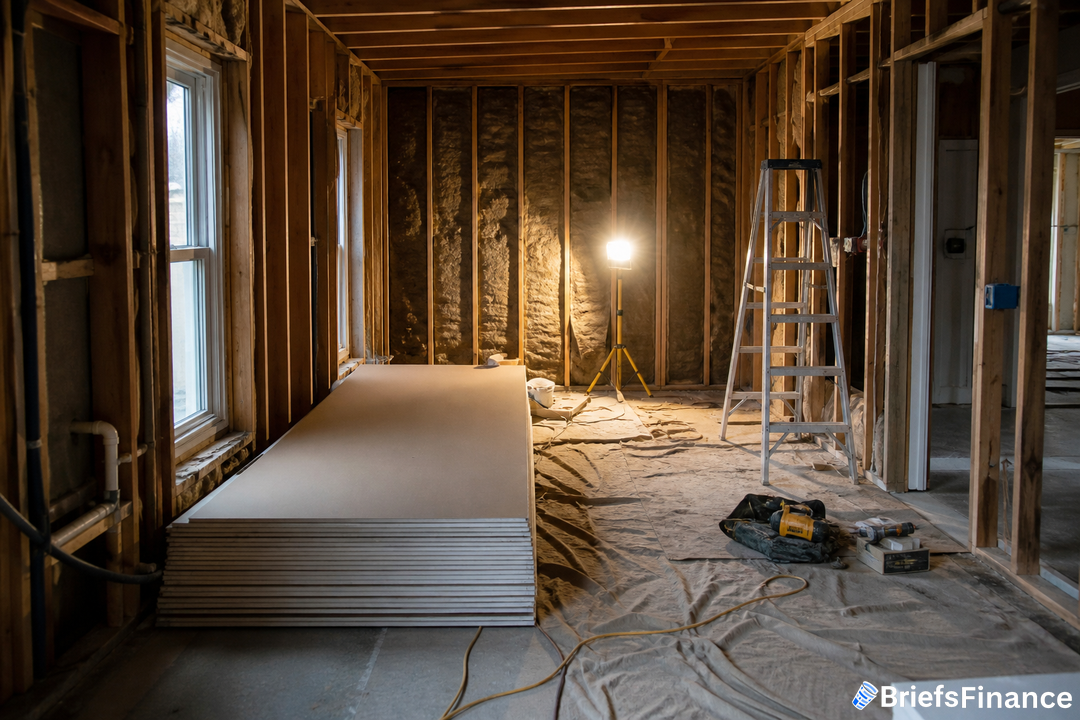
Price pressure is back - and it is sticky
Repair and remodeling tabs kept climbing through October, pushed higher by more expensive oil and energy and by elevated interest rates tied to the Iran conflict. According to Verisk, the three months through June marked the quickest quarter-over-quarter increase in costs since October 2024.
Verisk's index is anchored at 100 in January 2013, with reported data starting in October 2016. By October 2026, it points to roughly a 64% jump since 2016, extending a long stretch of rising home-upkeep bills.
Who is hiking and why
Producers of paint, plumbing fixtures, appliances, and HVAC gear are moving to recapture higher materials and freight costs after last year's tariff-driven increases. Bloomberg's read of Russell 3000 earnings call transcripts through Nov. 5 indicates that discussion of price increases in 2026 to date has already exceeded the full-year counts for 2024 and 2025.
Armstrong World Industries raised prices in November after freight costs ran about 20% above a year ago. CEO Mark Hershey called it "the most significant inflationary period" since mid-2022. Sherwin-Williams lifted prices 8% in September and left the door open to more.
Pool Corp. raised prices too. Carrier also pushed through increases, citing higher steel, copper, aluminum and shipping, and it anticipates that inflationary pressures will continue into 2027. Whirlpool plans a 7% increase to US prices in December.
Rising costs change the landscape for homeowners and investors seeking smarter choices. We're hosting our first ever investor livestream on 11/17 to show you how to use ChatGPT and Claude to invest like a pro, hosted by Briefs Finance CEO Jaspreet Singh. Save your seat.
Stanley Black & Decker CFO Patrick Hallinan said the company faces "meaningful inflation" in 2027 and plans to address it with productivity and pricing, with "a price increase likely around the turn of the year."
Demand, trading down, and the earnings angle
How much pricing sticks depends on the product, according to Bloomberg Intelligence analyst Drew Reading. For repairs and upkeep, consumers have limited flexibility, yet they may trade down to lower-cost choices for products such as faucets or toilets.
That cushion helps earnings. Carlisle anticipates that as expenses ease in 2027, today's pricing will become a tailwind, and it expects price hikes to align with cost inflation before 2026 ends. So far, higher prices have not dented demand or triggered pre-buying, CEO Christian Koch said.
Masco, which sells faucets under brands including Hansgrohe, said pricing contributed to a 13% rise in adjusted operating profit in the third quarter. On potential 2027 actions, CEO Jonathon Nudi called pricing the "last lever we pull." Reading added that most past hikes offset tariffs and input costs, and that quicker run-ups in copper, oil-derived inputs, and freight could necessitate Masco raising prices in 2027.
Reading also warned that additional cost increases are more likely to weigh on big-ticket discretionary projects. Whirlpool CEO Marc Bitzer said some households are already postponing larger purchases and opting to repair appliances instead of replacing them, though "at one point, people will replace it."
What it means for your portfolio
The backdrop is clear: a steady climb in repair costs, active pricing by major suppliers, and inflation pressures that may extend into 2027. The bottom line: more household cash goes first to must-fix items, leaving less for discretionary upgrades, and potentially favoring companies with products that homeowners cannot easily delay.
Savvy investors benefit from understanding how evolving expenses reshape long term opportunities. On 11/17, our CEO Jaspreet Singh goes live for our first ever investor livestream on how to use ChatGPT and Claude to invest like a pro. Register to join him.