A bigger push in the U.S. around the 2027 Rogue
Nissan on Monday took the wraps off the 2027 Rogue for the U.S. featuring its e-Power setup, which it says is a first-of-its-type hybrid offering for American buyers. The e-Power layout is a series hybrid: the gasoline engine works only as a generator to feed the electric motors that move the car. It behaves like newer extended-range EVs, but with a smaller battery and no need to plug in, and the engine never drives the wheels directly.
After spending four and a half years at Jeep, Meunier came back to Nissan in January 2025 with two priorities at the top of his agenda: launch the Rogue hybrid and bring back the Xterra. He said he accelerated the Rogue hybrid for the U.S. twice, adding, "It's going to make people look at Nissan with different eyes." Nissan priced the Rogue hybrid to start at $35,490 for the entry model, reaching $43,490 for the Platinum trim.
How Nissan plans to scale U.S. output
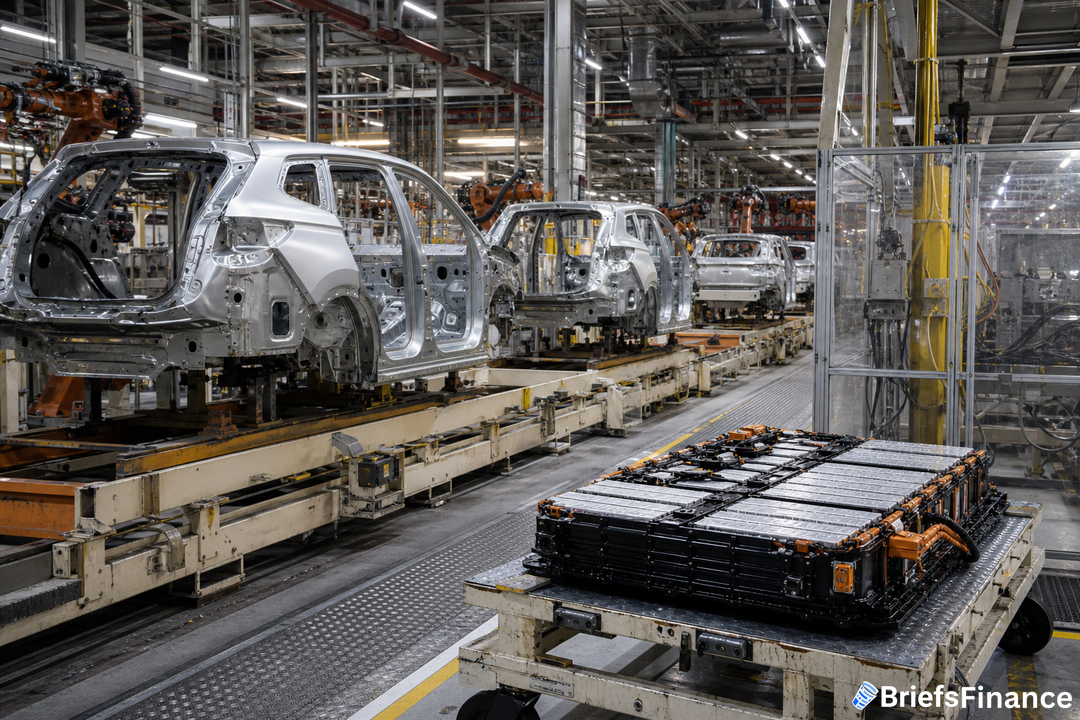
"We're now maxing out the production capacity in the U.S.," Meunier told CNBC. "The next step is going to be three shifts, and I'm pretty optimistic that with the launch of the new Rogue that is happening in the next couple months, we'll be able to do that pretty quickly with the launch of the hybrid." The Rogue is built at Nissan's 6 million square foot assembly plant in Smyrna, Tennessee, which runs two shifts and also produces other Nissan and Infiniti crossovers. The company's Canton, Mississippi facility builds the Altima sedan and Frontier midsize pickup.
Meunier said that adding a third shift at both U.S. factories would lift annual production to about 1 million vehicles, compared with nearly 487,000 in 2025. Expanding assembly typically translates into hundreds, if not thousands, of additional jobs. The timing aligns with a Trump administration push to grow employment and U.S. auto production.
U.S. manufacturing of the Rogue hybrid is expected to begin next year, after a spring production kickoff for the gasoline 2027 Rogue in Tennessee. Until then, Nissan plans to bring in hybrid models from Japan to reach customers sooner, bolster sales, and support the company's global turnaround effort. By 2030, Nissan's goal is for 80% of its U.S.-market sales to be models assembled within the country, and at present the company isn't pursuing construction of an additional factory.
When industries evolve, thoughtful investors focus on protecting and growing their savings. Join Briefs Finance CEO Jaspreet Singh on September 29th for a FREE live investor workshop, How to Profit From A Dollar That's Losing its Value, where he shows how we're spotting investment opportunities as the dollar falls. Save your spot.
"I think we're very well equipped to succeed without major investment and a new factory and everything else. Maybe after 2030," Meunier said. "Over the next four or five years, we'll see."
Positioning, competition, and the turnaround plan
The Rogue is one of Nissan's top sellers in the U.S., and it squares off in the crowded small crossover arena against Toyota's RAV4 and Honda's CR-V, which offer the category's most popular hybrid choices. "The hybrid power that we're launching on Rogue is going to really be the boost to our performance," Meunier said, noting Nissan's recent growth even without a U.S. hybrid lineup as hybrid demand rises. Nissan intends to go right at the Toyota RAV4 with the Rogue e-Power, and Meunier said the company may try an unusual tactic that lets shoppers test both vehicles at Nissan stores, even though dealers typically would not have a Toyota on site.
The pivot to the Rogue hybrid follows a period when Nissan and other automakers absorbed heavy losses on fully electric models amid reduced regulatory support and softer demand. Nissan has argued that e-Power is a better fit for U.S. drivers than EVs or even conventional hybrids, particularly with fuel prices elevated due to the Iran war. Nissan has not shared fuel economy estimates for the Rogue hybrid. For comparison, the Toyota RAV4 hybrid carries a combined rating of up to 43 mpg, while the Honda CR-V hybrid is listed at 40 mpg combined.
The broader turnaround plan includes slimming the global lineup by dropping weaker models and leaning more on technologies such as artificial intelligence. By the 2030 financial year, Nissan is aiming for 1 million yearly Nissan-brand sales in the U.S. and in China, with Japan targeted at 550,000 a year.
What this could mean for your portfolio
Meunier said he is pleased with the U.S. rebound since his return last year. In the first six months of the year, Nissan's U.S. sales rose about 10%, while Cox Automotive said the broader market fell roughly 3% in that period. Looking ahead, Meunier said the next few months should be "pretty good. Pretty tough, but pretty good," and expects a strong December finish.
For anyone watching how product plans feed into jobs and factory activity, Nissan's timeline matters: a spring start for the gas Rogue, U.S. hybrid production next year, and interim imports designed to keep momentum going. Hitting about 1 million vehicles a year in the U.S. via third shifts would typically bring significant hiring, and it would move Nissan closer to its goal of building most of its U.S.-sold vehicles locally by 2030.
Shifts in manufacturing highlight the value of steady planning for your financial future. Our CEO Jaspreet Singh is hosting a FREE live investor workshop, How to Profit From A Dollar That's Losing its Value, on September 29th. Sign up free to join him live.