What changed in the strait
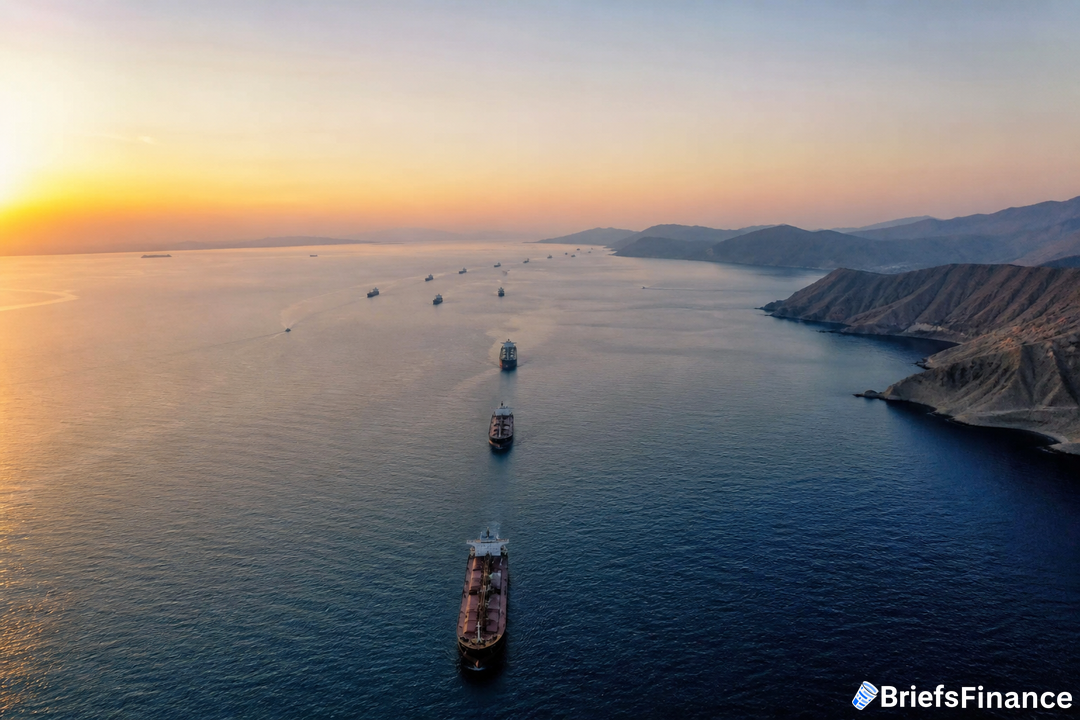
Flows of oil and liquefied natural gas through the Strait of Hormuz over the past two weeks climbed to their strongest in six months. Admiral Brad Cooper, who leads U.S. Central Command, said in a Saturday video update that "Clearly, momentum is building," crediting U.S. naval protection and mine clearance. He added that the main shipping lanes are clear of mines.
Cooper also said Persian Gulf partners have moved over 1 billion barrels of crude through the chokepoint "in the last couple months." "The effort is paying off," he said, noting "The volume of crude oil, cargo, and liquid natural gas these past two weeks is higher than at any point in the past six months." He said the U.S., working with Gulf allies, insurers and shippers, aims to raise flows further. Meanwhile, Iran "has exported zero barrels" as the U.S. enforces a blockade in the strait.
The security and strike picture
These gains coincide with a tightening of global oil and product supplies since the summer, partly due to drone strikes linked to the Iran war that knocked out a Saudi pipeline built to bypass the chokepoint. Tehran insists the waterway is shut, and talks among regional actors on coordinating shipping corridors have faltered.
Before dawn on Saturday, Saudi authorities issued two air raid alerts in Riyadh, marking the capital's first such warnings since the height of the U.S.-Iran war in March and April. The Wall Street Journal, citing three officials familiar with the matter, reported that jet-fuel installations at King Khalid International Airport were struck in an air raid, and said black smoke was visible at the site.
Global trade shifts highlight why steady planning helps protect and grow your savings. Join Briefs Finance CEO Jaspreet Singh on September 29th for a FREE live investor workshop, How to Profit From A Dollar That's Losing its Value, where he shows how we're spotting investment opportunities as the dollar falls. Save your spot.
Yemen's Houthi movement said it launched missiles and drones against two locations in Saudi Arabia, including a site in Riyadh. The group's military spokesperson, Yahya Saree, said the action was retaliation for Saudi airstrikes in Yemen. Over the last month, the Houthis have launched near-daily attacks on Saudi Arabia, including one in Taif on Thursday that caused one death and several injuries. The group also says it is blocking Saudi vessels in the Red Sea and has struck multiple ships there, a route that has taken on greater importance for Saudi exports after the Iran war disrupted traffic through the Strait of Hormuz.
The politics and the price picture
With gasoline and diesel costs rising in a midterm election year, the Trump administration has repeatedly pointed to recent tanker volumes through the strait. On Sept. 13, U.S. Energy Secretary Chris Wright said markets will need to keep depending on shipments through the Strait of Hormuz, which he estimates total 10 million barrels per day of crude and oil products, adding that oil markets are "tighter than we'd like today, but they're not overly tight."
Saudi Arabia, historically the world's top oil exporter, has faced renewed attacks in September as the Iran-backed Houthis struck towns in the west and critical energy facilities. The Saudi government said the drone strike that shut the East-West pipeline was launched from Iraq, which has several pro-Tehran militias.
Why it matters for your money
Energy choke points are doing more work, security risks are whipsawing supply lines, and that can ripple straight into airfare, shipping costs, and the price you pay to fill up. In other words, volatility might show up in your budget before it hits a market index.
When headlines change, calm strategies keep your financial goals moving forward. Our CEO Jaspreet Singh is hosting a FREE live investor workshop, How to Profit From A Dollar That's Losing its Value, on September 29th. Sign up free to join him live.