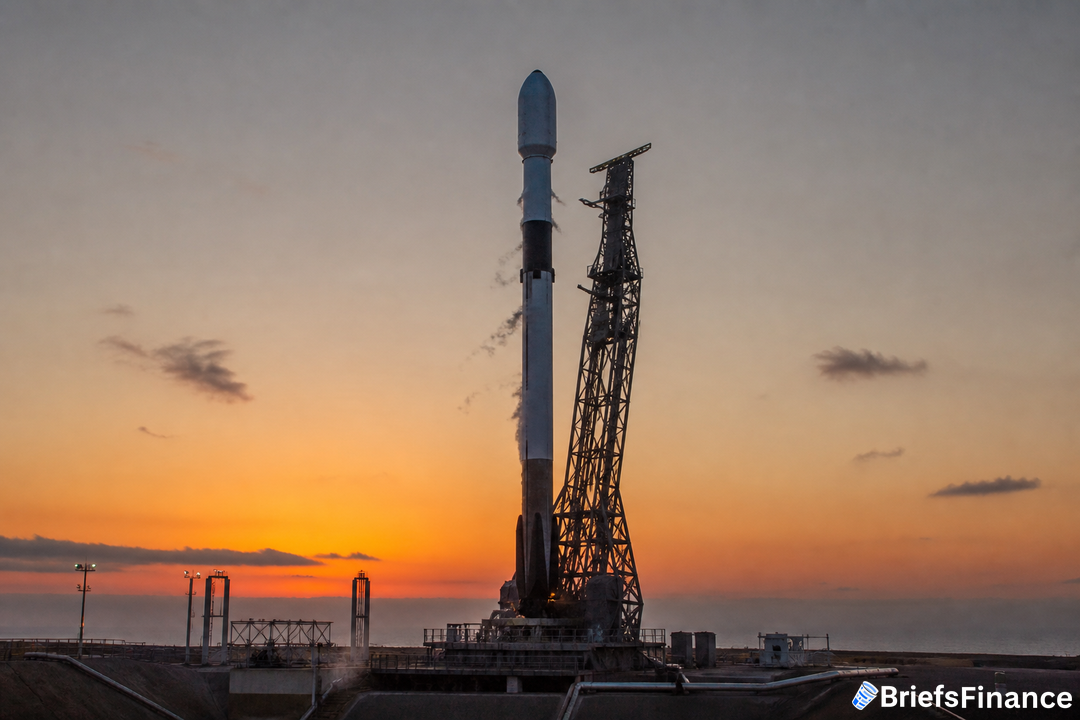
What NASA awarded and why it matters
NASA is extending SpaceX's ISS taxi service with three additional crewed Dragon missions slated through 2030. With this flight-support award, SpaceX is now booked for 17 operational rides to orbit under NASA's Commercial Crew Transportation Capability framework. The agency said the decision "helps NASA to maintain access to the space station with two unique commercial crew industry partners," a reminder that Boeing's Starliner is part of the plan too.
Where Boeing fits
Boeing is providing ISS transport using Starliner. The capsule is expected to fly an uncrewed mission in a few months, with its first astronaut flights targeted to begin in the third quarter of 2027.
What SpaceX delivers and the dollars involved
NASA says SpaceX's responsibilities span the whole mission arc: ground processing, launch, operations in orbit, return and recovery, cargo haulage on each flight, and serving as a docked lifeboat when attached to the station. Completing the three added flights could be worth up to $946 million. Taken together, this NASA arrangement puts SpaceX's cumulative earnings at $5.92 billion.
NASA and SpaceX plan to send Crew 13 in October, with Crew 14 slated for the following spring. Beyond those, SpaceX is reportedly beginning to wind down the Dragon program that first carried people six years ago, as the company aims to shift most future missions to its in-development Starship rocket.
Long horizon thinking helps you protect gains and weather inevitable financial changes. Join Briefs Finance CEO Jaspreet Singh on September 29th for a FREE live investor workshop, How to Profit From A Dollar That's Losing its Value, where he shows how we're spotting investment opportunities as the dollar falls. Save your spot.
In June, SpaceX listed its shares in what became the largest IPO on record, while contracts with NASA and the Department of Defense buttress its primary launch operations.
What this means for your portfolio
This is reliable, contracted work that keeps cash flowing for SpaceX: up to $946 million for the three added missions and $5.92 billion across its Commercial Crew commitments. It also signals NASA's intent to keep two providers in the mix, with Boeing's crewed timeline now pointing to the third quarter of 2027. For everyday investors, the takeaway is simple: long, multi-year government programs can act like recurring revenue streams, even as companies pivot to new tech like Starship.
A steady plan and patient choices keep your savings working through uncertain times. Our CEO Jaspreet Singh is hosting a FREE live investor workshop, How to Profit From A Dollar That's Losing its Value, on September 29th. Sign up free to join him live.